THE ADVENTURE COLLECTIVE® · Independent discovery and booking for outdoor travel

A four-day alternative to the Inca Trail, the Salkantay Trek climbs a high alpine pass then drops into lush cloud forest before delivering you to Machu Picchu. Expect long ascents, dramatic vegetation changes, and nights under canvas before a guided visit to the citadel.
A four-day alternative to the Inca Trail, the Salkantay Trek climbs a high alpine pass then drops into lush cloud forest before delivering you to Machu Picchu. Expect long ascents, dramatic vegetation changes, and nights under canvas before a guided visit to the citadel.
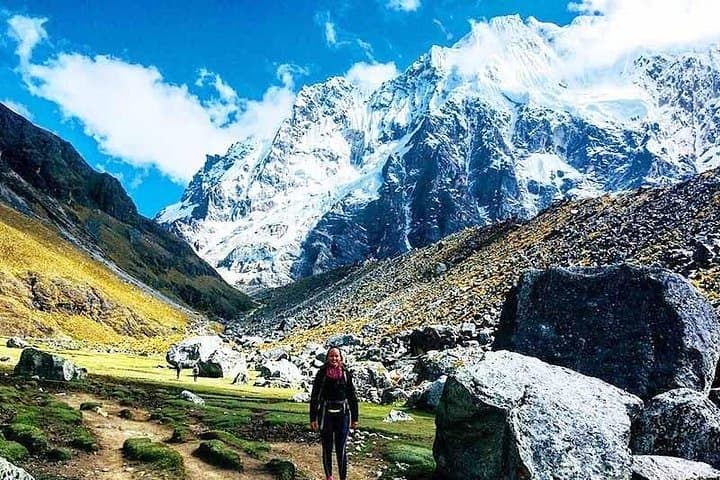
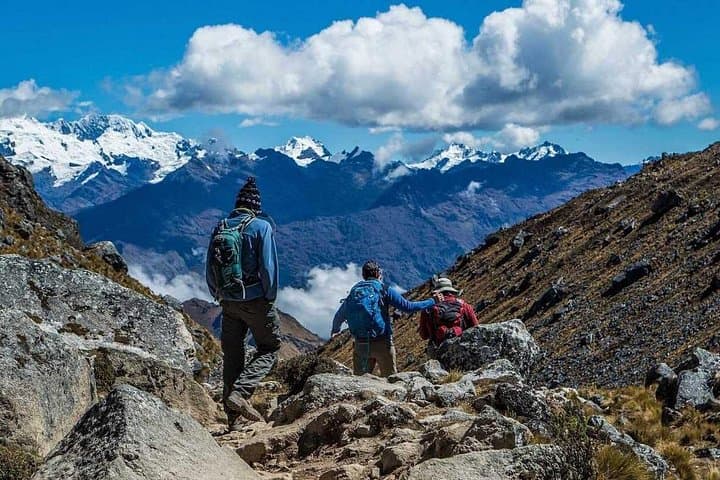
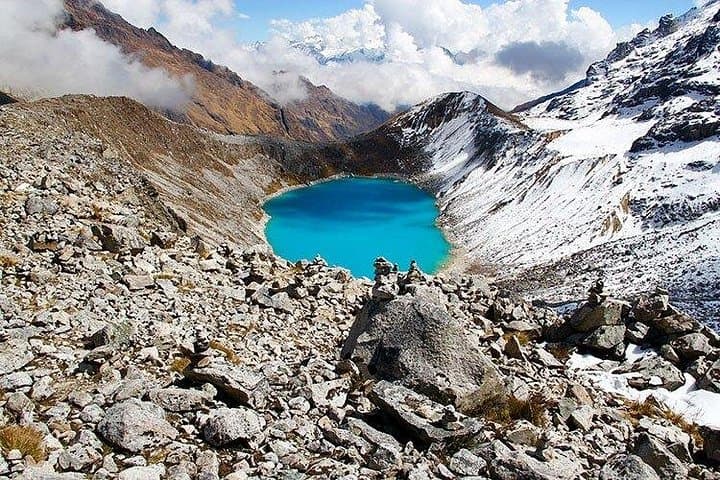
Dawn grabs the high ridgeline in pale light as horses stir and packs are checked; you step into a world where snow-browned peaks push cold air down into cloud forest below. The Salkantay route opens with a long ascent over original Inca drainage paths toward the Salkantay pass (listed here at 4,460 m), then trades wind-swept alpine for densely vegetated valleys that pull you into the humid Santa Teresa corridor and finally to the hot, misted approach to Aguas Calientes and Machu Picchu.
Verified experiences and guided adventures in the surrounding area.
Operated by CrossoverPeru Tours · Cusco, Cusco Region
Dawn grabs the high ridgeline in pale light as horses stir and packs are checked; you step into a world where snow-browned peaks push cold air down into cloud forest below. The Salkantay route opens with a long ascent over original Inca drainage paths toward the Salkantay pass (listed here at 4,460 m), then trades wind-swept alpine for densely vegetated valleys that pull you into the humid Santa Teresa corridor and finally to the hot, misted approach to Aguas Calientes and Machu Picchu.
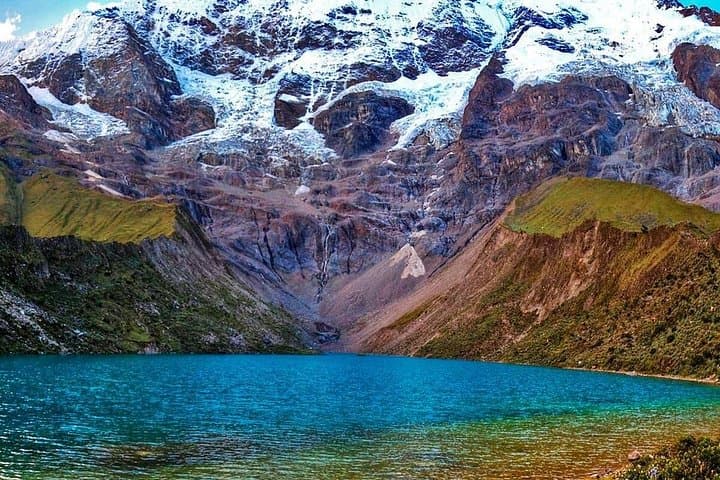
Geology here is raw: glaciated granitic shoulders of the Vilcabamba range collapse into steep river-cut canyons, creating abrupt vegetation zones—high puna grasses to montane forest in a single day. The route threads historical notes too: Salkantay was a sacred peak to the Incas and the trail overlaps old Inca drainage works and local Quechua communities who still herd and farm these altitudinal belts.
Practical guidance: expect three to six hours of sustained hiking on most days, a steep three-hour push to the pass, and a long descent that shifts from rocky moraine to muddy jungle tracks; day three ends with a roughly 12 km walk into Aguas Calientes. Altitude is the trip’s main challenge—hydrate, ascend slowly, and carry warm layers for nights at campsite (two nights) and thin, breathable rainwear for the jungle segment. Footwear with good ankle support and trekking poles significantly ease descents. Guides manage logistics, trains and entry tickets are included, but bring cash in Aguas Calientes for dinners and tips.
challenging.
4 days.
Good cardiovascular fitness and experience hiking 5–8 hours per day; comfortable with multi-day camping and sustained elevation gain.
This program crosses the Salkantay pass at approximately 4,460 meters above sea level—expect thin air and cold winds at the top.
Yes—this itinerary includes two nights of camping on the trail and one hotel night in Aguas Calientes before Machu Picchu.
Yes—the tour includes the standard Machu Picchu entrance ticket and a guided 2‑hour visit to the citadel.
Travelers with serious cardiovascular problems, pregnant travelers, or those unable to walk multiple hours at altitude should not attempt this route.
Salkantay was regarded as an apu, a sacred mountain in Inca cosmology; the trail follows corridors used for centuries by Quechua communities linking high puna to jungle farms.
Stick to established campsites, pack out waste, and support local operators that hire porters and follow minimal-impact practices; the corridor crosses sensitive cloud-forest habitats.
CrossoverPeru Tours operates guided outdoor trips and adventures with an emphasis on safety, stewardship, and memorable experiences.
Dawn grabs the high ridgeline in pale light as horses stir and packs are checked; you step into a world where snow-browned peaks push cold air down into cloud forest below. The Salkantay route opens with a long ascent over original Inca drainage paths toward the Salkantay pass (listed here at 4,460 m), then trades wind-swept alpine for densely vegetated valleys that pull you into the humid Santa Teresa corridor and finally to the hot, misted approach to Aguas Calientes and Machu Picchu.
Dawn grabs the high ridgeline in pale light as horses stir and packs are checked; you step into a world where snow-browned peaks push cold air down into cloud forest below. The Salkantay route opens with a long ascent over original Inca drainage paths toward the Salkantay pass (listed here at 4,460 m), then trades wind-swept alpine for densely vegetated valleys that pull you into the humid Santa Teresa corridor and finally to the hot, misted approach to Aguas Calientes and Machu Picchu.
Geology here is raw: glaciated granitic shoulders of the Vilcabamba range collapse into steep river-cut canyons, creating abrupt vegetation zones—high puna grasses to montane forest in a single day. The route threads historical notes too: Salkantay was a sacred peak to the Incas and the trail overlaps old Inca drainage works and local Quechua communities who still herd and farm these altitudinal belts.
Practical guidance: expect three to six hours of sustained hiking on most days, a steep three-hour push to the pass, and a long descent that shifts from rocky moraine to muddy jungle tracks; day three ends with a roughly 12 km walk into Aguas Calientes. Altitude is the trip’s main challenge—hydrate, ascend slowly, and carry warm layers for nights at campsite (two nights) and thin, breathable rainwear for the jungle segment. Footwear with good ankle support and trekking poles significantly ease descents. Guides manage logistics, trains and entry tickets are included, but bring cash in Aguas Calientes for dinners and tips.