THE ADVENTURE COLLECTIVE® · Independent discovery and booking for outdoor travel

Experience the raw contrast of the Andes on a 4-day Salkantay trek: glaciers and high passes, a turquoise glacial lake, cloud forest coffee farms, and a guided visit to Machu Picchu—with glamping and a Vistadome train return.
Experience the raw contrast of the Andes on a 4-day Salkantay trek: glaciers and high passes, a turquoise glacial lake, cloud forest coffee farms, and a guided visit to Machu Picchu—with glamping and a Vistadome train return.
Dawn breaks over the high Andes and the trail ahead is a ribbon of stone and cloud. You push past thin air toward the Salkantay Pass, glaciers watching like old, slow guards, then drop into a green, humid world where coffee plants hum with life. On this 4-day Salkantay route you move from arid, wind-scoured ridgelines at the pass (around 4,600 m) to the turquoise stillness of Humantay Lake (about 4,200 m), and finally into the warm folds of cloud forest before arriving at Machu Picchu.
Verified experiences and guided adventures in the surrounding area.
Operated by TreXperience · Cusco, Cusco Region
Dawn breaks over the high Andes and the trail ahead is a ribbon of stone and cloud. You push past thin air toward the Salkantay Pass, glaciers watching like old, slow guards, then drop into a green, humid world where coffee plants hum with life. On this 4-day Salkantay route you move from arid, wind-scoured ridgelines at the pass (around 4,600 m) to the turquoise stillness of Humantay Lake (about 4,200 m), and finally into the warm folds of cloud forest before arriving at Machu Picchu.
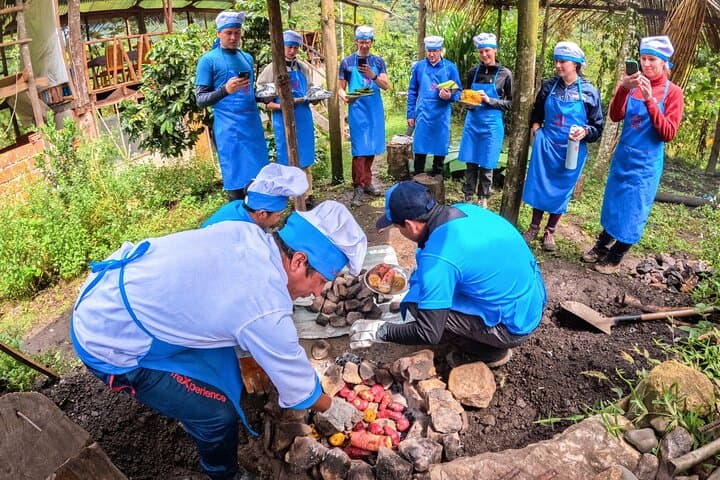
The trek weaves Inca-era corridors and volcanic geology—glacially carved valleys, moraine fields and steep jungle slopes shaped by Andean uplift. Local communities keep highland traditions alive: expect coca tea for altitude, a Pachamanca meal cooked with hot stones, and visits to family-run coffee farms in Lucmabamba. The Vistadome train caps the trip with panoramic windows that make the return as scenic as the ascent.
Practical guidance: acclimatize in Cusco for 24–48 hours if possible, carry layers for a wide temperature range, and be ready for long days of walking—total trail distance typically falls between 60–70 km over varied terrain. Hydrate consistently and use sun and altitude protection. Glamping tents and mule support reduce pack weight, but expect uneven trails, rocky passages and steep descents into the cloud forest. Book Huayna Picchu or Machu Picchu Mountain in advance if you want summit views. Move deliberately, respect local customs, and leave no trace—these mountains are fragile and the route rewards patience with unforgettable vistas.
challenging.
4 days.
You should have good cardiovascular fitness and be comfortable hiking 6–10 hours on consecutive days at altitude.
Yes—entry tickets to Machu Picchu are required and limited; your operator typically includes them but confirm which time slot is booked.
The pass reaches roughly 4,600 m with steep stretches; it’s a long climb but non-technical—altitude and endurance are the main challenges.
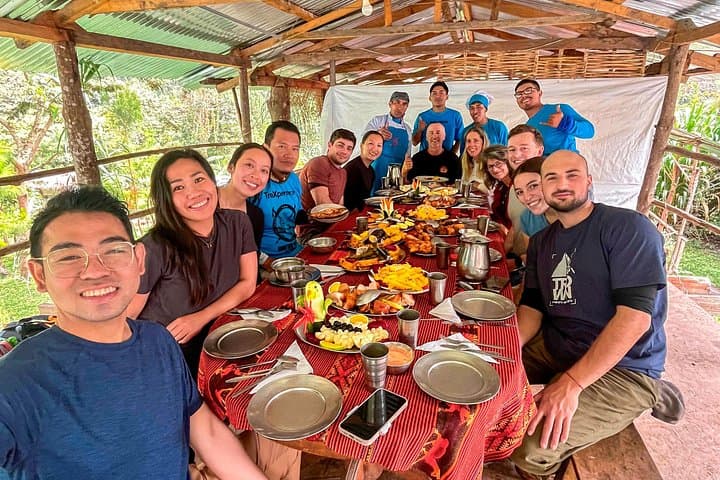
Most operators provide all meals on the trail, often including local dishes like Pachamanca, with attention to dietary needs if informed in advance.
Yes—hotels commonly store excess luggage; the tour usually includes a small duffle allowance (about 7 kg) for mule transport.
The route skirts ancient Inca transport corridors and modern villages that maintain Quechua-speaking traditions and agrarian practices.
High visitation stresses fragile alpine soils and water sources; stay on trails, pack out waste, and support local conservation and community projects when possible.
TreXperience operates guided outdoor trips and adventures with an emphasis on safety, stewardship, and memorable experiences.
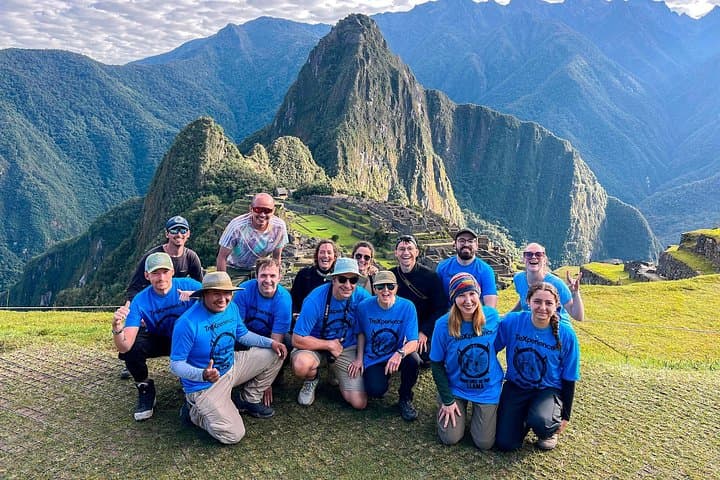
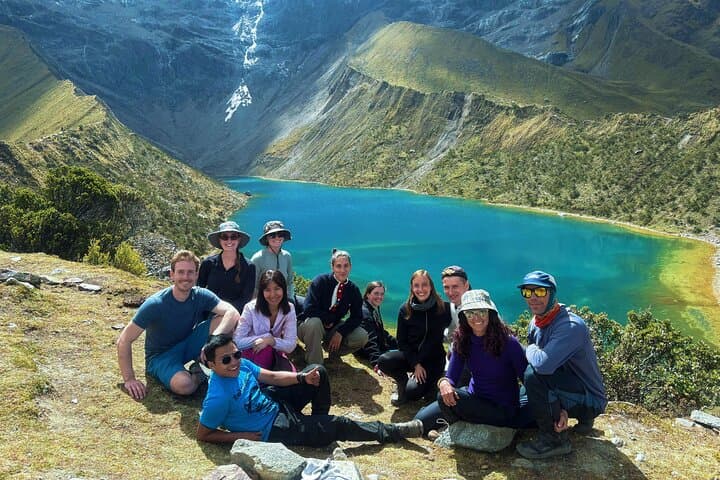
Dawn breaks over the high Andes and the trail ahead is a ribbon of stone and cloud. You push past thin air toward the Salkantay Pass, glaciers watching like old, slow guards, then drop into a green, humid world where coffee plants hum with life. On this 4-day Salkantay route you move from arid, wind-scoured ridgelines at the pass (around 4,600 m) to the turquoise stillness of Humantay Lake (about 4,200 m), and finally into the warm folds of cloud forest before arriving at Machu Picchu.
Dawn breaks over the high Andes and the trail ahead is a ribbon of stone and cloud. You push past thin air toward the Salkantay Pass, glaciers watching like old, slow guards, then drop into a green, humid world where coffee plants hum with life. On this 4-day Salkantay route you move from arid, wind-scoured ridgelines at the pass (around 4,600 m) to the turquoise stillness of Humantay Lake (about 4,200 m), and finally into the warm folds of cloud forest before arriving at Machu Picchu.
The trek weaves Inca-era corridors and volcanic geology—glacially carved valleys, moraine fields and steep jungle slopes shaped by Andean uplift. Local communities keep highland traditions alive: expect coca tea for altitude, a Pachamanca meal cooked with hot stones, and visits to family-run coffee farms in Lucmabamba. The Vistadome train caps the trip with panoramic windows that make the return as scenic as the ascent.
Practical guidance: acclimatize in Cusco for 24–48 hours if possible, carry layers for a wide temperature range, and be ready for long days of walking—total trail distance typically falls between 60–70 km over varied terrain. Hydrate consistently and use sun and altitude protection. Glamping tents and mule support reduce pack weight, but expect uneven trails, rocky passages and steep descents into the cloud forest. Book Huayna Picchu or Machu Picchu Mountain in advance if you want summit views. Move deliberately, respect local customs, and leave no trace—these mountains are fragile and the route rewards patience with unforgettable vistas.