THE ADVENTURE COLLECTIVE® · Independent discovery and booking for outdoor travel

A private four-day loop from Marrakech to Merzouga that mixes High Atlas passes, UNESCO kasbahs and a luxury bivouac in the Erg Chebbi dunes. Expect long drives, a sunset camel ride, dramatic gorges and nights beneath desert stars.
A private four-day loop from Marrakech to Merzouga that mixes High Atlas passes, UNESCO kasbahs and a luxury bivouac in the Erg Chebbi dunes. Expect long drives, a sunset camel ride, dramatic gorges and nights beneath desert stars.
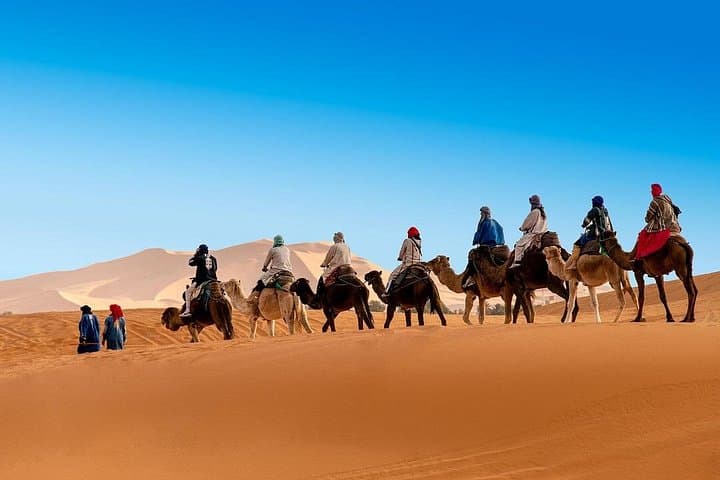
You push away from Marrakech at dawn, the city’s ochre roofs shrinking as the road climbs Tizi n’Tichka and the High Atlas breathes cold air at 2,260 m. Over the pass the world opens into ochre and stone: kasbahs cluster like keeps, and the road slips through valleys carved by rivers that once ran fuller. By the second day the Erg Chebbi dunes rise like a living wall—gold ridges that shift under wind’s attention, daring you to cross them by camel at sunset.
Verified experiences and guided adventures in the surrounding area.
Operated by Shade Explore · Merzouga, Drâa-Tafilalet
You push away from Marrakech at dawn, the city’s ochre roofs shrinking as the road climbs Tizi n’Tichka and the High Atlas breathes cold air at 2,260 m. Over the pass the world opens into ochre and stone: kasbahs cluster like keeps, and the road slips through valleys carved by rivers that once ran fuller. By the second day the Erg Chebbi dunes rise like a living wall—gold ridges that shift under wind’s attention, daring you to cross them by camel at sunset.
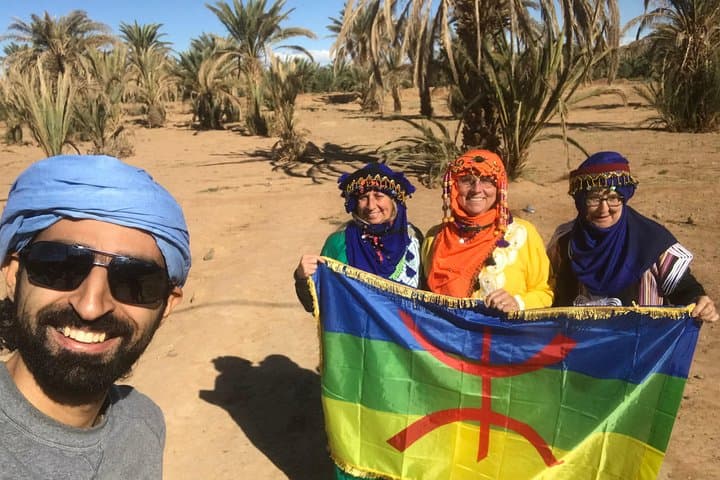
This private, four-day loop threads together Morocco’s layered history: the fortified earthen architecture of Aït Ben Haddou (UNESCO), the Glaoui kasbahs of Telouet, and caravan corridors that once guided salt and dates across the Sahara. Geology is visible at every turn—limestone cliffs in Todra reach 300 m, while the Draa Valley spreads palm oases along an ancient riverbed. Local culture centers on Berber hospitality; riads, kasbahs and desert camps offer meals cooked over wood or gas and evenings of music around the fire.
Expect long driving days (several 3–6 hour legs), short guided walks, a camel trek into Erg Chebbi, and one night in a luxury bivouac. Practical planning: carry sun protection and a refillable water bottle, pack lightweight layers for hot days and chilly desert nights, and bring cash for small villages. Timing rides and walks for early morning or late afternoon avoids heat and gives the best light for photos. Respect private property, ask before photographing people, and consider tipping local guides and camp staff for attentive service.
moderate.
4 days.
Suitable for travelers in good general health who can manage several hours of travel per day, short walks, and a camel ride; no specialized fitness required.
The camel trek is typically 1–2 hours—enough to reach sunset viewpoints and the luxury bivouac; guides handle saddling and route selection.
Yes—transport is private and paced, but travelers with limited mobility should note there are uneven surfaces, dune climbs and one night in a desert camp.
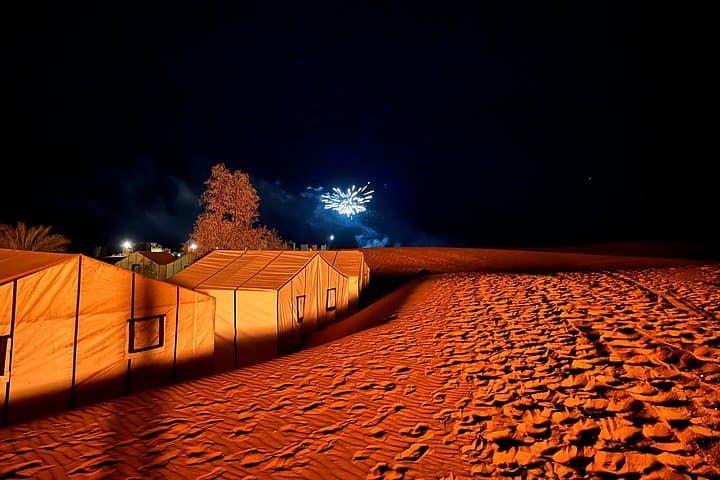
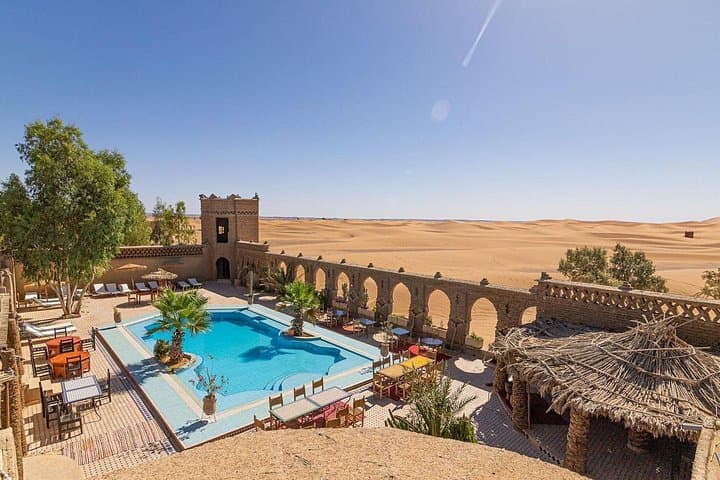
Two nights in 4-star riads or hotels and one night in a luxury desert bivouac with beds, blankets and private facilities; levels may vary by provider but amenities listed are included.
Travel insurance that covers medical evacuation and trip cancellation is recommended; standard vaccinations are sufficient—check country-specific health advice before travel.
This route follows old caravan and trade corridors; Aït Ben Haddou and the Glaoui kasbahs reflect centuries of pre-Saharan settlement and local political history.
Water is scarce across the region—avoid single-use plastics, conserve water in accommodations, and choose operators who support local communities and maintain low-impact camps.
Shade Explore operates guided outdoor trips and adventures with an emphasis on safety, stewardship, and memorable experiences.
You push away from Marrakech at dawn, the city’s ochre roofs shrinking as the road climbs Tizi n’Tichka and the High Atlas breathes cold air at 2,260 m. Over the pass the world opens into ochre and stone: kasbahs cluster like keeps, and the road slips through valleys carved by rivers that once ran fuller. By the second day the Erg Chebbi dunes rise like a living wall—gold ridges that shift under wind’s attention, daring you to cross them by camel at sunset.
You push away from Marrakech at dawn, the city’s ochre roofs shrinking as the road climbs Tizi n’Tichka and the High Atlas breathes cold air at 2,260 m. Over the pass the world opens into ochre and stone: kasbahs cluster like keeps, and the road slips through valleys carved by rivers that once ran fuller. By the second day the Erg Chebbi dunes rise like a living wall—gold ridges that shift under wind’s attention, daring you to cross them by camel at sunset.
This private, four-day loop threads together Morocco’s layered history: the fortified earthen architecture of Aït Ben Haddou (UNESCO), the Glaoui kasbahs of Telouet, and caravan corridors that once guided salt and dates across the Sahara. Geology is visible at every turn—limestone cliffs in Todra reach 300 m, while the Draa Valley spreads palm oases along an ancient riverbed. Local culture centers on Berber hospitality; riads, kasbahs and desert camps offer meals cooked over wood or gas and evenings of music around the fire.
Expect long driving days (several 3–6 hour legs), short guided walks, a camel trek into Erg Chebbi, and one night in a luxury bivouac. Practical planning: carry sun protection and a refillable water bottle, pack lightweight layers for hot days and chilly desert nights, and bring cash for small villages. Timing rides and walks for early morning or late afternoon avoids heat and gives the best light for photos. Respect private property, ask before photographing people, and consider tipping local guides and camp staff for attentive service.