THE ADVENTURE COLLECTIVE® · Independent discovery and booking for outdoor travel

Cross the High Atlas, explore kasbahs and gorges, then ride camels into the Erg Chebbi dunes for a night under a vast desert sky. This four-day loop from Marrakech blends geology, Berber culture, and hands-on desert time with comfortable camps and private transfers.
Cross the High Atlas, explore kasbahs and gorges, then ride camels into the Erg Chebbi dunes for a night under a vast desert sky. This four-day loop from Marrakech blends geology, Berber culture, and hands-on desert time with comfortable camps and private transfers.
Morning light slants over Marrakech’s red roofs as a minivan threads the Tizi n’Tichka pass, and the High Atlas begins to hand travelers off to desert light.
Verified experiences and guided adventures in the surrounding area.
Operated by Trek Atlas Morocco · Marrakech, Marrakech-Safi
Morning light slants over Marrakech’s red roofs as a minivan threads the Tizi n’Tichka pass, and the High Atlas begins to hand travelers off to desert light.
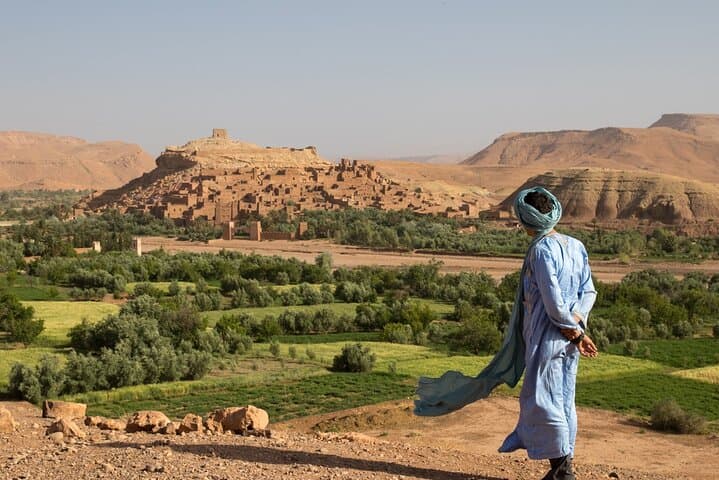
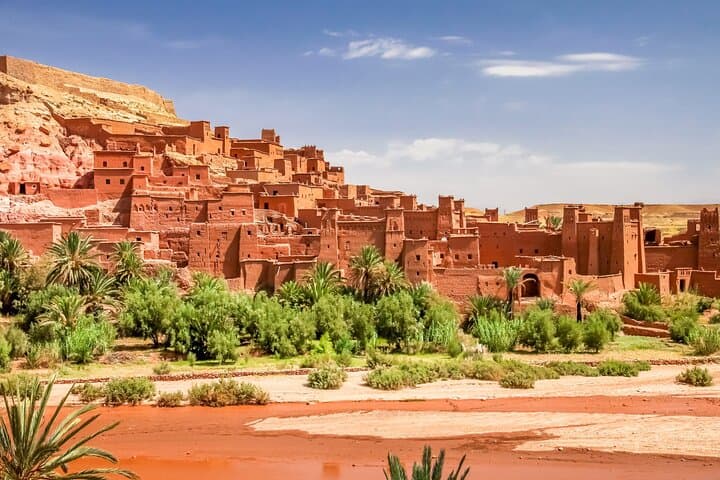
Over four days the route moves from mountain switchbacks to fortified kasbahs, into palm-lined valleys and the orange sea of Erg Chebbi. Ait Benhaddou’s mud-brick towers stand like stage sets — film crews have filmed their walls for decades — while the Todra Gorge cuts a narrow, sheer-walled corridor where climbers test hands and nerves. The dunes at Merzouga demand a different gait: camels lead a patient procession as sand slopes dare each step and the night sky pulls constellations close.
Geology here tells a slow story — uplifted Atlas ranges, wind-sculpted dunes, and alluvial palm oases fed where groundwater reaches the surface. Culturally the journey traces Berber life: kasbahs, souks in Rissani, and drum circles at camp that hand down rhythm and hospitality.
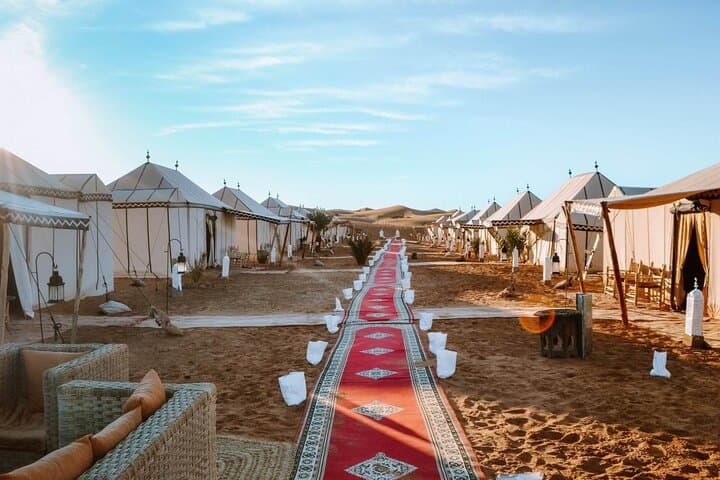
Practicalities: expect long drives (several 3–5 hour legs) on paved and rural roads, a sunrise dune climb, and a 90-minute camel ride at sunset to reach the camp. Camps range from traditional nomad-style tents to comfortable bivouacs with bedding and shared facilities. Pack sun protection, a warm layer for desert nights, and a daypack for hikes and market stops. Start early on long-drive days to avoid midday heat and reserve camera batteries — the light shifts fast. With private transfers and included meals, the tour balances local immersion with organized logistics, making the Sahara accessible without excessive roughing it.
moderate.
4 days.
Moderate fitness for dune climbs, a 90–120 minute camel ride, and short canyon hikes; comfortable mobility for long vehicle transfers.
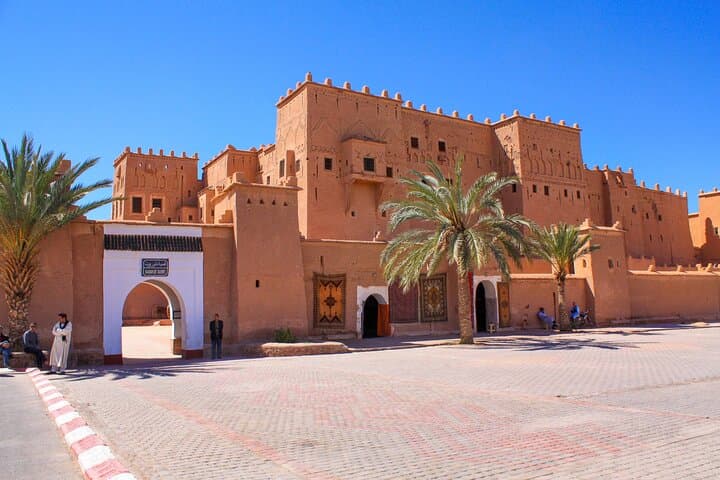
The tour includes private transfers: expect a multi-hour drive across the High Atlas with stops at Ait Benhaddou and Ouarzazate before reaching the Merzouga region.
Yes — camel rides are typically gentle and guided; children and beginners can ride, but notify operators about ages or special needs beforehand.
Camps vary from traditional nomad tents to comfortable bivouacs with mattresses and shared facilities; the tour description specifies a camp with dinner and bedding included.
The Tizi n’Tichka pass reaches about 2,260 meters briefly, which can affect sensitive travelers, but most of the tour is at low elevation in the desert where altitude is not an issue.
The route follows historic trans-Saharan and caravan corridors; towns like Ait Benhaddou developed as fortified caravan stops and later became film locations.
Stick to marked paths and avoid disturbing dune vegetation; choose operators who minimize plastic use and support local Berber guides.
Trek Atlas Morocco operates guided outdoor trips and adventures with an emphasis on safety, stewardship, and memorable experiences.
Morning light slants over Marrakech’s red roofs as a minivan threads the Tizi n’Tichka pass, and the High Atlas begins to hand travelers off to desert light.
Morning light slants over Marrakech’s red roofs as a minivan threads the Tizi n’Tichka pass, and the High Atlas begins to hand travelers off to desert light.
Over four days the route moves from mountain switchbacks to fortified kasbahs, into palm-lined valleys and the orange sea of Erg Chebbi. Ait Benhaddou’s mud-brick towers stand like stage sets — film crews have filmed their walls for decades — while the Todra Gorge cuts a narrow, sheer-walled corridor where climbers test hands and nerves. The dunes at Merzouga demand a different gait: camels lead a patient procession as sand slopes dare each step and the night sky pulls constellations close.
Geology here tells a slow story — uplifted Atlas ranges, wind-sculpted dunes, and alluvial palm oases fed where groundwater reaches the surface. Culturally the journey traces Berber life: kasbahs, souks in Rissani, and drum circles at camp that hand down rhythm and hospitality.
Practicalities: expect long drives (several 3–5 hour legs) on paved and rural roads, a sunrise dune climb, and a 90-minute camel ride at sunset to reach the camp. Camps range from traditional nomad-style tents to comfortable bivouacs with bedding and shared facilities. Pack sun protection, a warm layer for desert nights, and a daypack for hikes and market stops. Start early on long-drive days to avoid midday heat and reserve camera batteries — the light shifts fast. With private transfers and included meals, the tour balances local immersion with organized logistics, making the Sahara accessible without excessive roughing it.