THE ADVENTURE COLLECTIVE® · Independent discovery and booking for outdoor travel

Cross the High Atlas, explore kasbah-lined valleys and spend a night under the stars on Erg Chebbi. This private 4-day loop from Marrakech mixes historic sites, Gnawa music and a classic camel-camp experience.
Cross the High Atlas, explore kasbah-lined valleys and spend a night under the stars on Erg Chebbi. This private 4-day loop from Marrakech mixes historic sites, Gnawa music and a classic camel-camp experience.
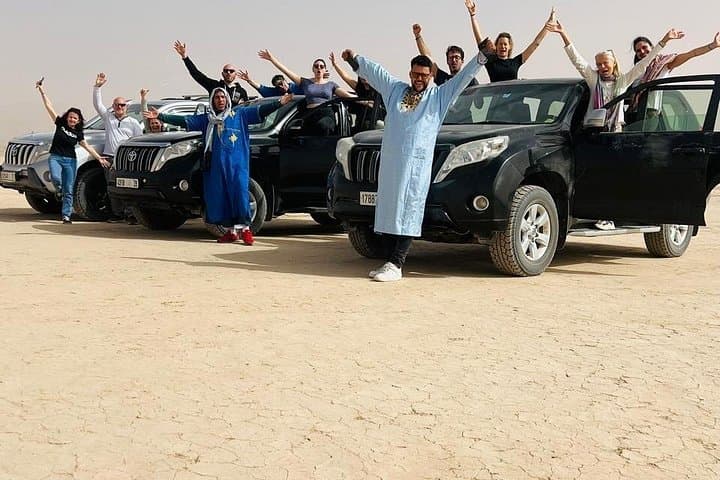
Dust rises on the Tichka Pass as the minivan peels away from Marrakech; the Atlas Mountains press close, then open into plains lined with kasbahs and palm groves. By late afternoon the dunes of Erg Chebbi appear like a slow-moving sea, sand slopes daring you to climb and watch the sunset stain the ripples orange.
Verified experiences and guided adventures in the surrounding area.
Operated by Desert Marruecos tours · Merzouga, Drâa-Tafilalet
Dust rises on the Tichka Pass as the minivan peels away from Marrakech; the Atlas Mountains press close, then open into plains lined with kasbahs and palm groves. By late afternoon the dunes of Erg Chebbi appear like a slow-moving sea, sand slopes daring you to climb and watch the sunset stain the ripples orange.
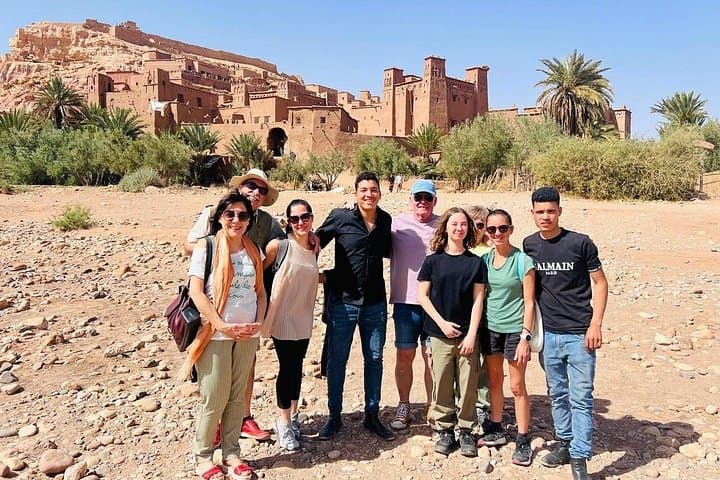
This route follows old caravan arteries between Marrakech and the Sahara, passing fortified earthen kasbahs such as Ait Ben Haddou and Telouet that record centuries of trans-Saharan trade and local Amazigh craftsmanship. Geologically, the landscape shifts from Precambrian foothills to wind-sculpted dunes and fossil-rich sedimentary basins near Erfoud. Cultural notes arrive as music and food: Gnawa rhythms in Khamlia, Berber bread and mint tea at family-run stops, and riads that reflect local masonry and courtyard life.
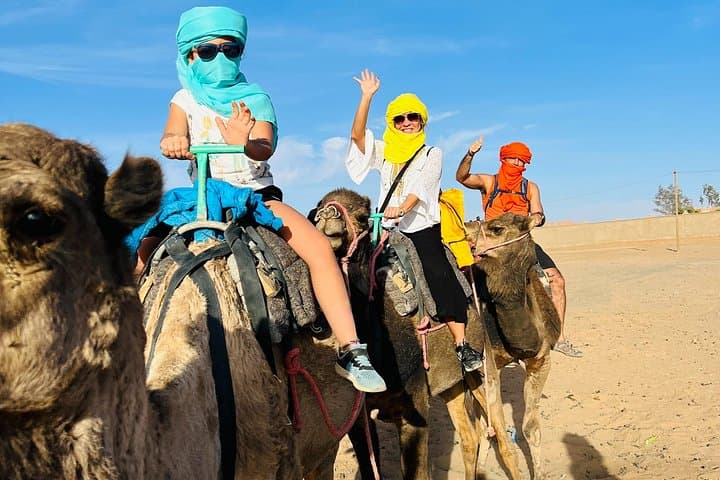
Expect three nights that blend comfortable riads and a traditional desert camp with a campfire and stars so sharp they seem to push the horizon back. Practicalities: carry layered clothing for hot days and cold nights, bring at least 2–3 liters of water per day, and prepare for uneven sand footing and short camel rides. Sunrise on a dune is the defining moment — plan early starts and modest footwear for climbing. Guides handle logistics, but tipping, cultural respect, and light packing make the trip smoother.
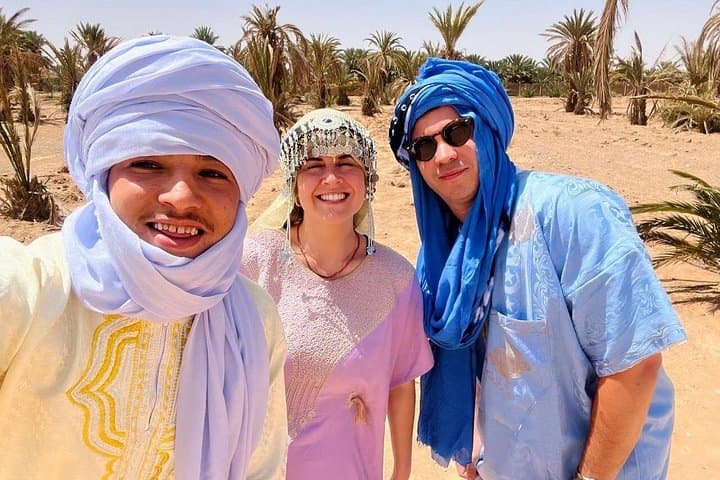
This four-day loop is as much about slow travel—meeting nomad families, fossil workshops and palm-valley viewpoints—as it is about the dunes themselves. The desert asks patience and rewards quiet attention with wide sky and long evenings of music.
moderate.
4 days.
Suitable for travelers in average physical condition; you should be able to walk on uneven sand and climb dunes for short periods.
No prior experience is needed; guides brief beginners and lead the caravan, although riders should be comfortable mounting and dismounting with assistance.
Yes — breakfasts and dinners and a mix of riads and a desert camp are included as part of the standard itinerary.
The tour is categorized as easy in parts and suitable for most ages, but dune walking and camel rides require basic mobility; discuss specific needs at booking.
Tipping is customary; consider modest amounts per day for drivers and guides and a small gratuity for camp staff at trip end.
The route traces historic caravan roads and features ksour and kasbahs that guarded trade routes between sub-Saharan Africa and Moroccan cities.
The Saharan environment is fragile — minimize water use, avoid driving on dunes, and follow local guidance to protect oasis and archaeological sites.
Desert Marruecos tours operates guided outdoor trips and adventures with an emphasis on safety, stewardship, and memorable experiences.
Dust rises on the Tichka Pass as the minivan peels away from Marrakech; the Atlas Mountains press close, then open into plains lined with kasbahs and palm groves. By late afternoon the dunes of Erg Chebbi appear like a slow-moving sea, sand slopes daring you to climb and watch the sunset stain the ripples orange.
Dust rises on the Tichka Pass as the minivan peels away from Marrakech; the Atlas Mountains press close, then open into plains lined with kasbahs and palm groves. By late afternoon the dunes of Erg Chebbi appear like a slow-moving sea, sand slopes daring you to climb and watch the sunset stain the ripples orange.
This route follows old caravan arteries between Marrakech and the Sahara, passing fortified earthen kasbahs such as Ait Ben Haddou and Telouet that record centuries of trans-Saharan trade and local Amazigh craftsmanship. Geologically, the landscape shifts from Precambrian foothills to wind-sculpted dunes and fossil-rich sedimentary basins near Erfoud. Cultural notes arrive as music and food: Gnawa rhythms in Khamlia, Berber bread and mint tea at family-run stops, and riads that reflect local masonry and courtyard life.
Expect three nights that blend comfortable riads and a traditional desert camp with a campfire and stars so sharp they seem to push the horizon back. Practicalities: carry layered clothing for hot days and cold nights, bring at least 2–3 liters of water per day, and prepare for uneven sand footing and short camel rides. Sunrise on a dune is the defining moment — plan early starts and modest footwear for climbing. Guides handle logistics, but tipping, cultural respect, and light packing make the trip smoother.
This four-day loop is as much about slow travel—meeting nomad families, fossil workshops and palm-valley viewpoints—as it is about the dunes themselves. The desert asks patience and rewards quiet attention with wide sky and long evenings of music.