THE ADVENTURE COLLECTIVE® · Independent discovery and booking for outdoor travel

Cross the High Atlas and the Draa Valley on a four-day circuit from Marrakech to Erg Chebbi. Expect kasbahs, Todra Gorge hikes, a camel sunset, and a night under the desert sky.
Cross the High Atlas and the Draa Valley on a four-day circuit from Marrakech to Erg Chebbi. Expect kasbahs, Todra Gorge hikes, a camel sunset, and a night under the desert sky.
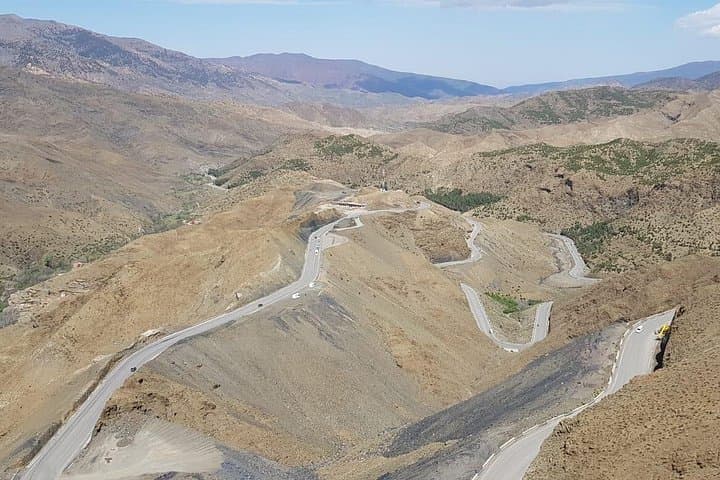
A cool wind moves across the High Atlas as your driver threads the Tizi n’Tichka pass — clay villages shrink behind you and a raw, sun-bleached landscape unfurls toward the Sahara.
Verified experiences and guided adventures in the surrounding area.
Operated by Agafay Quad Biking · Marrakech, Marrakech-Safi
A cool wind moves across the High Atlas as your driver threads the Tizi n’Tichka pass — clay villages shrink behind you and a raw, sun-bleached landscape unfurls toward the Sahara.
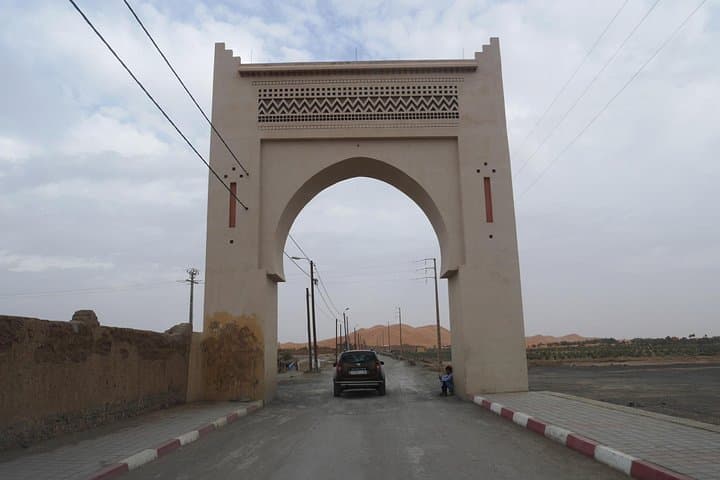
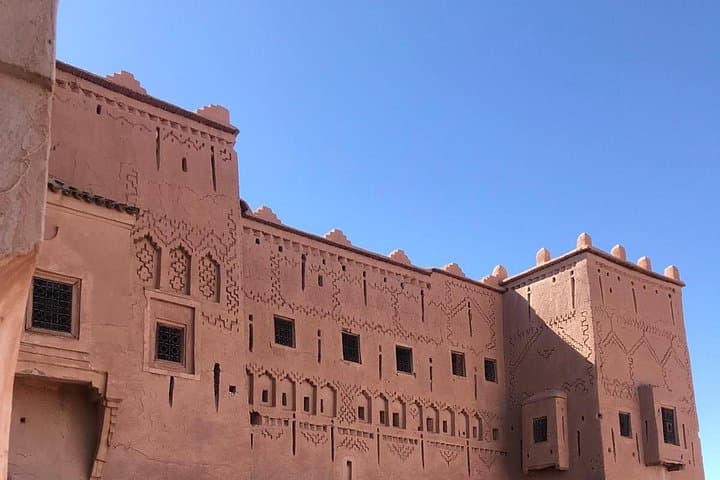
Over four days this route moves from Marrakech’s ochre alleys through kasbah-dotted valleys, the narrow limestone of Todra Gorge and the palm-fringed Draa, finishing beneath the rolling ridges of Erg Chebbi. Geologically the journey is a study in contrasts: folded, glaciated peaks give way to alluvial plains and wind-sculpted dunes made of dunesediments carried from the Sahara. Culturally you pass Berber villages, ancient caravan routes and the fortified ksar of Aït Ben Haddou, a UNESCO site that grew where trade caravans once paused.
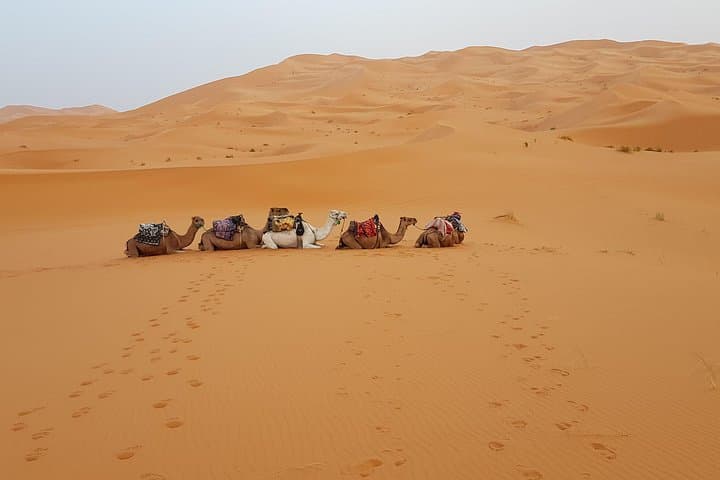
Expect a blend of short hikes (Todra Gorge), vehicle transfers, a sunset camel ride and one night in a desert bivouac under an uncrowded sky. The rhythm is simple — early starts, midday rests, and late afternoons for photographs or short walks. Local stops include fossil workshops near Erfoud and traditional kasbah houses in Nkob.
Practical guidance: bring layered clothing for hot days and chilly desert nights, durable hiking shoes for rocky gorges, and a reusable water bottle (water is limited between towns). Plan for 3 hotel nights and a bivouac, modest comforts, and an active pace that’s accessible but frequently on dusty roads. Time your trip for spring or fall to avoid peak summer heat; sunrise on the dunes is the reward for an early wake-up and a patient camel.
moderate.
4 days.
Suitable for travelers with reasonable stamina who can handle long vehicle transfers, short hikes and a camel trek; not technically demanding.
Most tours include pickup and drop-off in central Marrakech riads and hotels; you'll provide your pickup point at booking.
Camel rides are gentle and paced for tourists; the bivouac is basic but comfortable — no technical skills required.
Yes; the operator notes the tour is suitable for all fitness levels, but confirm child age and comfort with long drives and camels before booking.
Guides typically speak French, English and Arabic; verify language needs when you book.
This corridor follows historic caravan routes between Saharan oases and Marrakech; Aït Ben Haddou grew as a fortified stop on that network and later became a film location.
The desert ecosystem is very fragile — avoid disturbing dunes, minimize water use, and support local businesses to keep tourism benefits in-region.
Agafay Quad Biking operates guided outdoor trips and adventures with an emphasis on safety, stewardship, and memorable experiences.
A cool wind moves across the High Atlas as your driver threads the Tizi n’Tichka pass — clay villages shrink behind you and a raw, sun-bleached landscape unfurls toward the Sahara.
A cool wind moves across the High Atlas as your driver threads the Tizi n’Tichka pass — clay villages shrink behind you and a raw, sun-bleached landscape unfurls toward the Sahara.
Over four days this route moves from Marrakech’s ochre alleys through kasbah-dotted valleys, the narrow limestone of Todra Gorge and the palm-fringed Draa, finishing beneath the rolling ridges of Erg Chebbi. Geologically the journey is a study in contrasts: folded, glaciated peaks give way to alluvial plains and wind-sculpted dunes made of dunesediments carried from the Sahara. Culturally you pass Berber villages, ancient caravan routes and the fortified ksar of Aït Ben Haddou, a UNESCO site that grew where trade caravans once paused.
Expect a blend of short hikes (Todra Gorge), vehicle transfers, a sunset camel ride and one night in a desert bivouac under an uncrowded sky. The rhythm is simple — early starts, midday rests, and late afternoons for photographs or short walks. Local stops include fossil workshops near Erfoud and traditional kasbah houses in Nkob.
Practical guidance: bring layered clothing for hot days and chilly desert nights, durable hiking shoes for rocky gorges, and a reusable water bottle (water is limited between towns). Plan for 3 hotel nights and a bivouac, modest comforts, and an active pace that’s accessible but frequently on dusty roads. Time your trip for spring or fall to avoid peak summer heat; sunrise on the dunes is the reward for an early wake-up and a patient camel.