THE ADVENTURE COLLECTIVE® · Independent discovery and booking for outdoor travel

Four days of classic northern Tanzania safari—Tarangire’s baobab-studded woodlands, the Seronera heart of the Serengeti and the wildlife-dense Ngorongoro Crater. Private 4x4 game drives, lodge and tented-camp nights, and picnic lunches deliver concentrated viewing and cultural encounters.
Four days of classic northern Tanzania safari—Tarangire’s baobab-studded woodlands, the Seronera heart of the Serengeti and the wildlife-dense Ngorongoro Crater. Private 4x4 game drives, lodge and tented-camp nights, and picnic lunches deliver concentrated viewing and cultural encounters.
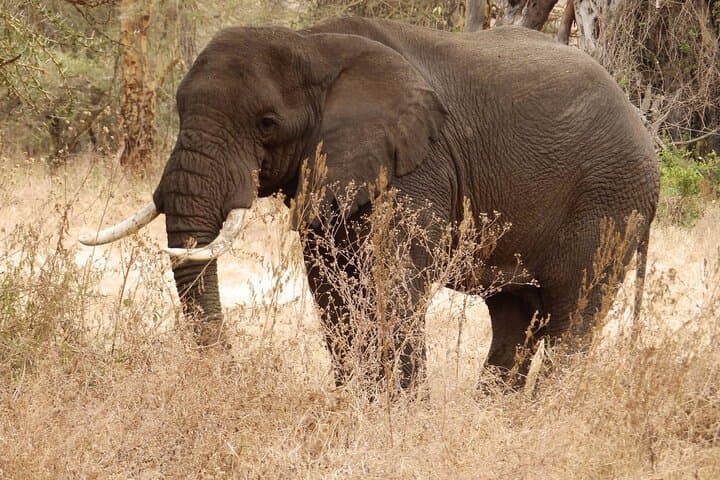
Dawn breaks over an open roof as the Land Cruiser threads dusty tracks under a sky the color of burnt ochre. In Tarangire, baobabs stand like bored giants while elephant herds converge on the river; later the Seronera plains of the Serengeti open into an ocean of waving grass where predators and prey test one another’s patience. On the fourth day you descend into the Ngorongoro Crater—an enormous volcanic caldera that holds a permanent water table and a concentration of wildlife unlike any other.
Verified experiences and guided adventures in the surrounding area.
Operated by Bestday Safaris · Arusha, Arusha Region
Dawn breaks over an open roof as the Land Cruiser threads dusty tracks under a sky the color of burnt ochre. In Tarangire, baobabs stand like bored giants while elephant herds converge on the river; later the Seronera plains of the Serengeti open into an ocean of waving grass where predators and prey test one another’s patience. On the fourth day you descend into the Ngorongoro Crater—an enormous volcanic caldera that holds a permanent water table and a concentration of wildlife unlike any other.
This circuit moves through distinct landscapes: Tarangire’s acacia woodlands and swampy south, the Serengeti’s ancient volcanic soils and endless plains, and Ngorongoro’s collapsed caldera carved by tectonics and time. The Maasai people have grazed these highlands for generations; you’ll pass small farms and village markets that reflect long-standing pastoral culture. Geology here directs life—seasonal rivers and kopjes channel migrations and predators.
Practically: the trip runs as private game drives in a pop-up-roof 4x4 with picnic lunches and lodge or tented-camp stays (hot showers provided). Expect long drives—early mornings and mid-day rests—good light for photography and variable road conditions when rains arrive. Bring neutral clothing, binoculars, sun protection and a light rain layer. Hydrate, carry motion-sickness meds if needed, and follow ranger instructions near wildlife. Tipping guides and rangers is customary; park fees are usually included. For first-time safari-goers this itinerary delivers a concentrated, accessible introduction to northern Tanzania’s big mammals, landscapes, and living cultures.
moderate.
4 days.
Moderate fitness; you must tolerate long vehicle days, short walks, and uneven terrain inside parks.
In most packages park fees are included—confirm on booking; this itinerary lists park fees among inclusions.
Physical demands are low—most time is spent in the vehicle with short guided walks; however long days and bumpy roads require mobility and tolerance for extended sitting.
Visitors typically need a Tanzania visa and are advised to check yellow fever vaccination and malaria prophylaxis recommendations well before travel; consult a travel-clinic for up-to-date guidance.
Lodges and some tented camps offer charging facilities, but bring a power bank and universal adapter since charging access can be limited in remote areas.
The Ngorongoro Crater is a collapsed volcanic caldera formed millions of years ago; Maasai pastoralists and colonial-era conservation policies shaped access and land use in the highlands.
Support community-run tourism initiatives, stay on designated roads to avoid habitat damage, and follow park rules—these practices help protect fragile migration corridors and local livelihoods.
Bestday Safaris operates guided outdoor trips and adventures with an emphasis on safety, stewardship, and memorable experiences.
Dawn breaks over an open roof as the Land Cruiser threads dusty tracks under a sky the color of burnt ochre. In Tarangire, baobabs stand like bored giants while elephant herds converge on the river; later the Seronera plains of the Serengeti open into an ocean of waving grass where predators and prey test one another’s patience. On the fourth day you descend into the Ngorongoro Crater—an enormous volcanic caldera that holds a permanent water table and a concentration of wildlife unlike any other.
Dawn breaks over an open roof as the Land Cruiser threads dusty tracks under a sky the color of burnt ochre. In Tarangire, baobabs stand like bored giants while elephant herds converge on the river; later the Seronera plains of the Serengeti open into an ocean of waving grass where predators and prey test one another’s patience. On the fourth day you descend into the Ngorongoro Crater—an enormous volcanic caldera that holds a permanent water table and a concentration of wildlife unlike any other.
This circuit moves through distinct landscapes: Tarangire’s acacia woodlands and swampy south, the Serengeti’s ancient volcanic soils and endless plains, and Ngorongoro’s collapsed caldera carved by tectonics and time. The Maasai people have grazed these highlands for generations; you’ll pass small farms and village markets that reflect long-standing pastoral culture. Geology here directs life—seasonal rivers and kopjes channel migrations and predators.
Practically: the trip runs as private game drives in a pop-up-roof 4x4 with picnic lunches and lodge or tented-camp stays (hot showers provided). Expect long drives—early mornings and mid-day rests—good light for photography and variable road conditions when rains arrive. Bring neutral clothing, binoculars, sun protection and a light rain layer. Hydrate, carry motion-sickness meds if needed, and follow ranger instructions near wildlife. Tipping guides and rangers is customary; park fees are usually included. For first-time safari-goers this itinerary delivers a concentrated, accessible introduction to northern Tanzania’s big mammals, landscapes, and living cultures.