THE ADVENTURE COLLECTIVE® · Independent discovery and booking for outdoor travel

A compact, guided 4-day journey from Cusco through the Sacred Valley to Machu Picchu—combining Inca ruins, terraced farmland, a scenic train ride and a guided visit to the citadel. Ideal for travelers who want cultural depth with managed logistics.
A compact, guided 4-day journey from Cusco through the Sacred Valley to Machu Picchu—combining Inca ruins, terraced farmland, a scenic train ride and a guided visit to the citadel. Ideal for travelers who want cultural depth with managed logistics.
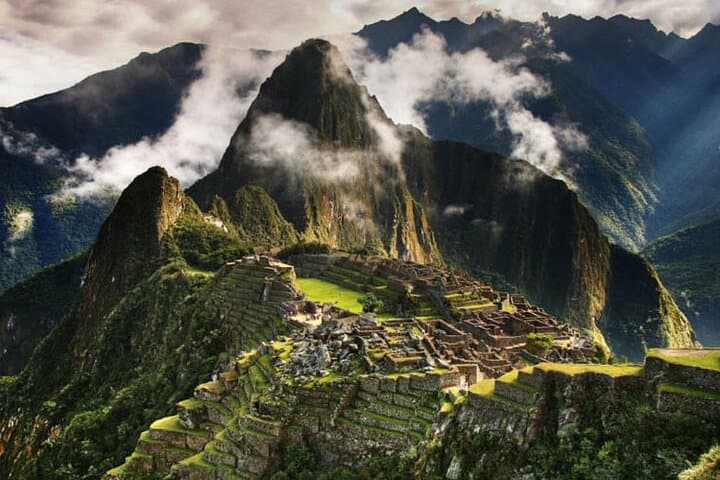
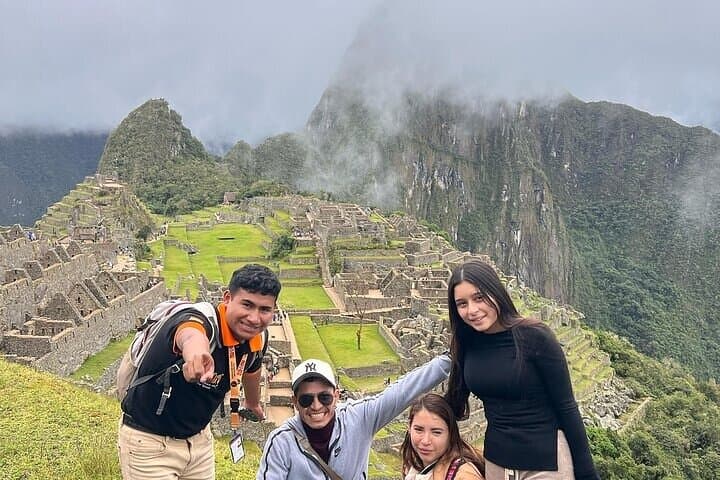
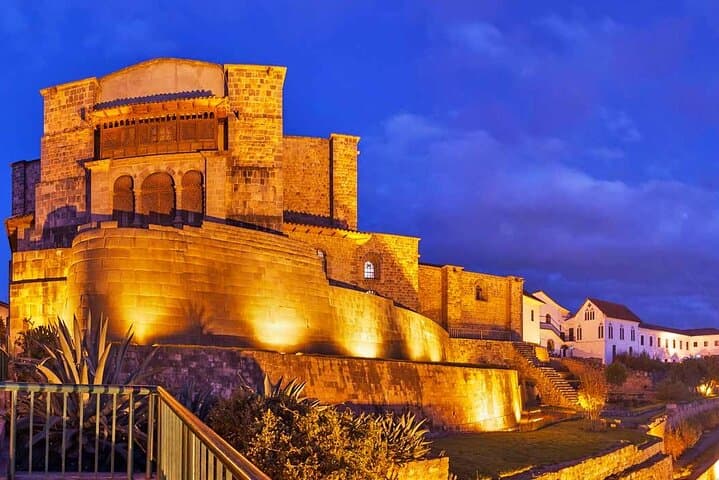
You step off the train into a mist-thinned valley, the air sharp with altitude and river-scent. Mountains rise like folded stone around the village of Aguas Calientes; the Urubamba River below seems to dare you forward as you prepare for the climb up to the citadel. Over four days the route moves from Cusco’s high plaza and Inca ruins to terraced farmland in the Sacred Valley and finally to Machu Picchu’s ridge, where carved stones and cloud meet.
Verified experiences and guided adventures in the surrounding area.
Operated by Zarate Adventours · Cusco, Cusco Region
You step off the train into a mist-thinned valley, the air sharp with altitude and river-scent. Mountains rise like folded stone around the village of Aguas Calientes; the Urubamba River below seems to dare you forward as you prepare for the climb up to the citadel. Over four days the route moves from Cusco’s high plaza and Inca ruins to terraced farmland in the Sacred Valley and finally to Machu Picchu’s ridge, where carved stones and cloud meet.
This itinerary threads Inca history with living Andean culture: Pisac’s agricultural terraces and market reflect centuries of exchange, Ollantaytambo preserves original Inca urban planning, and Machu Picchu crowns the valley as a 15th-century citadel and pilgrimage site. Geologically the route follows steep, rain-carved ridges above the Urubamba watershed; terraces and walls cling to granite slopes and cloud-forested contours.
Practical guidance: allow 24–48 hours in Cusco to acclimatize, then expect moderate walking each day with short trains between Ollantaytambo and Aguas Calientes and a steep bus or hiking approach to Machu Picchu. Permits and entrance times matter—book early. Pack layered clothing for cold mornings and humid afternoons, a reliable rain shell, sunscreen, and water. The tour typically includes transport, selected meals, guide services, entrance fees and round-trip train and bus tickets as stated, but flights and travel insurance are not included.
Move deliberately at altitude, stay hydrated, and give yourself time at the citadel to absorb the stonework and views—Machu Picchu rewards patience as much as effort.
moderate.
4 days.
Moderate fitness required—comfortable walking on uneven stone and stairs, ability to tolerate altitude.
Yes—Cusco sits above 3,300 m; spending 24–48 hours in the city and taking it easy upon arrival helps reduce altitude sickness.
This package typically includes Machu Picchu entrance, round-trip train between Ollantaytambo and Aguas Calientes, and shuttle bus to the citadel as listed; flights and insurance are not included.
The guided visit involves walking on uneven stone, stair climbs and short steep sections; pace is moderate but requires stable footing and basic stamina.
Those climbs require separate permits subject to tight quotas; confirm availability and book early if you want to add them.
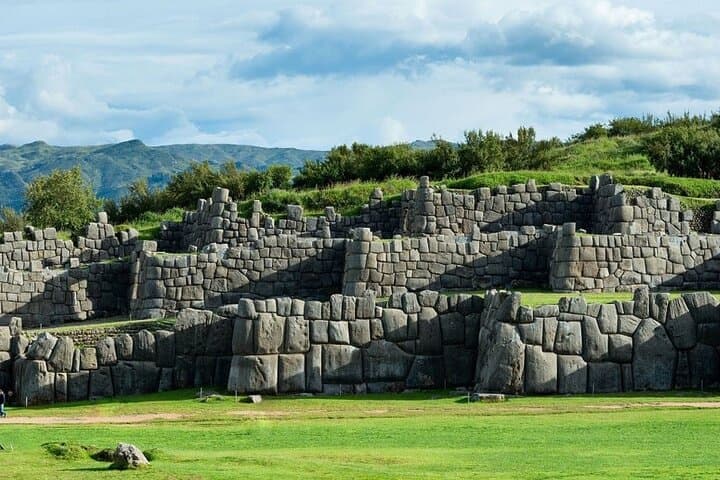
The Sacred Valley was central to Inca agriculture and transport; sites like Pisac and Ollantaytambo preserve terraces, storage centers and urban planning from the 15th century.
Machu Picchu is managed with timed-entry quotas to limit wear; follow trails, avoid single-use plastics and respect local rules to reduce impact.
Zarate Adventours operates guided outdoor trips and adventures with an emphasis on safety, stewardship, and memorable experiences.
You step off the train into a mist-thinned valley, the air sharp with altitude and river-scent. Mountains rise like folded stone around the village of Aguas Calientes; the Urubamba River below seems to dare you forward as you prepare for the climb up to the citadel. Over four days the route moves from Cusco’s high plaza and Inca ruins to terraced farmland in the Sacred Valley and finally to Machu Picchu’s ridge, where carved stones and cloud meet.
You step off the train into a mist-thinned valley, the air sharp with altitude and river-scent. Mountains rise like folded stone around the village of Aguas Calientes; the Urubamba River below seems to dare you forward as you prepare for the climb up to the citadel. Over four days the route moves from Cusco’s high plaza and Inca ruins to terraced farmland in the Sacred Valley and finally to Machu Picchu’s ridge, where carved stones and cloud meet.
This itinerary threads Inca history with living Andean culture: Pisac’s agricultural terraces and market reflect centuries of exchange, Ollantaytambo preserves original Inca urban planning, and Machu Picchu crowns the valley as a 15th-century citadel and pilgrimage site. Geologically the route follows steep, rain-carved ridges above the Urubamba watershed; terraces and walls cling to granite slopes and cloud-forested contours.
Practical guidance: allow 24–48 hours in Cusco to acclimatize, then expect moderate walking each day with short trains between Ollantaytambo and Aguas Calientes and a steep bus or hiking approach to Machu Picchu. Permits and entrance times matter—book early. Pack layered clothing for cold mornings and humid afternoons, a reliable rain shell, sunscreen, and water. The tour typically includes transport, selected meals, guide services, entrance fees and round-trip train and bus tickets as stated, but flights and travel insurance are not included.
Move deliberately at altitude, stay hydrated, and give yourself time at the citadel to absorb the stonework and views—Machu Picchu rewards patience as much as effort.