THE ADVENTURE COLLECTIVE® · Independent discovery and booking for outdoor travel

A compact four-day route from Cusco that links the Sacred Valley’s Inca sites with a guided visit to Machu Picchu and the high‑altitude trek to Rainbow Mountain. Expect early mornings, train travel, and significant altitude changes.
A compact four-day route from Cusco that links the Sacred Valley’s Inca sites with a guided visit to Machu Picchu and the high‑altitude trek to Rainbow Mountain. Expect early mornings, train travel, and significant altitude changes.
Dawn in the Andes arrives cold and decisive: Cusco’s stone streets give way to terraced fields, and the train’s whistle slices through the valley as travelers move toward Machu Picchu. On this four-day loop the landscape changes fast—salt pans glinting like a folded map at Maras, concentric agricultural rings at Moray, the crowd-thinned citadel of Machu Picchu perched on a ridge, and the startling banded slopes of Vinicunca (Rainbow Mountain) thrusting into thin air at over 5,000 meters.
Verified experiences and guided adventures in the surrounding area.
Operated by Illapha Travel Peru · Cusco, Cusco
Dawn in the Andes arrives cold and decisive: Cusco’s stone streets give way to terraced fields, and the train’s whistle slices through the valley as travelers move toward Machu Picchu. On this four-day loop the landscape changes fast—salt pans glinting like a folded map at Maras, concentric agricultural rings at Moray, the crowd-thinned citadel of Machu Picchu perched on a ridge, and the startling banded slopes of Vinicunca (Rainbow Mountain) thrusting into thin air at over 5,000 meters.
Geology and history sit side-by-side here. The Sacred Valley rides an east–west fault line carved by the Urubamba River; Inca engineers reshaped steep terrain into high-altitude farms and stone fortresses such as Ollantaytambo. Cultural notes are immediate: Quechua place names, market stalls selling alpaca textiles, and small altars beside trails remind visitors of living traditions.
Practically, expect early starts (one pickup as early as 4:30 a.m.), a train transfer between Ollantaytambo and Aguas Calientes, a 2‑hour guided circuit inside Machu Picchu, and a Rainbow Mountain trek that typically requires 1.5–2 hours of ascent with 400–700 m of gain depending on your route. Altitude is the principal challenge—Cusco sits near 3,400 m; Rainbow Mountain tops ~5,200 m—so pacing, hydration, and warm, windproof layers matter.
Bring sun protection, sturdy boots, and a compact daypack; plan for simple hostels in Aguas Calientes and a moderate level of fitness. With logistics handled—train tickets, guided entrance, and transfers—this itinerary balances iconic sites and the raw, elemental feel of high Andean country.
challenging.
4 days (approx. 96 hours).
Good cardiovascular fitness recommended; ability to hike 2–4 hours at altitude and tolerate steep sections.
The hike involves 1.5–2 hours ascent with roughly 400–700 m of elevation gain; it’s steep and the altitude makes it feel harder—go slowly and use trekking poles if needed.
This tour includes Machu Picchu entry and a 2‑hour guided visit; confirm which circuit is provided when booking since additional hikes (Huayna Picchu) require separate permits.
Yes—symptoms can appear at high elevations. Acclimatize in Cusco, hydrate, avoid alcohol the first days, and consider coca tea or medical advice if you have concerns.
Accommodations are basic hostels and a 2‑star hotel in Cusco as listed; expect simple rooms, shared bathrooms in Aguas Calientes, and breakfast included.
The Sacred Valley was a breadbasket for the Inca state; sites like Moray and the salt pans at Maras reflect pre‑Hispanic agricultural engineering.
High visitor numbers stress fragile alpine soils and water sources—stay on trails, avoid single‑use plastics, and respect local farming plots.
Illapha Travel Peru operates guided outdoor trips and adventures with an emphasis on safety, stewardship, and memorable experiences.
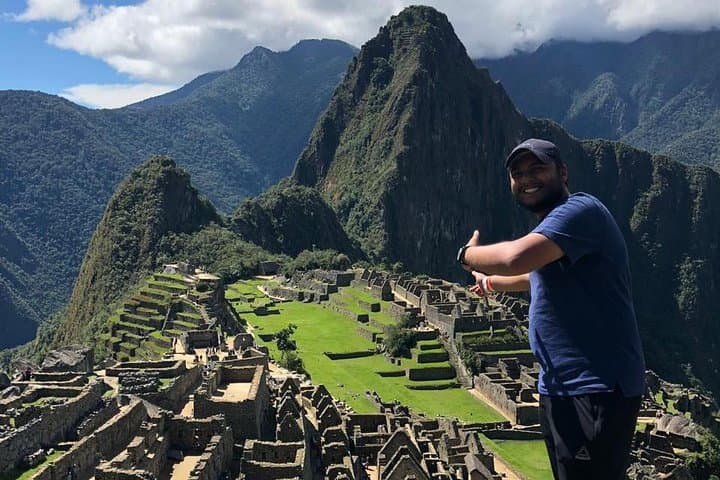
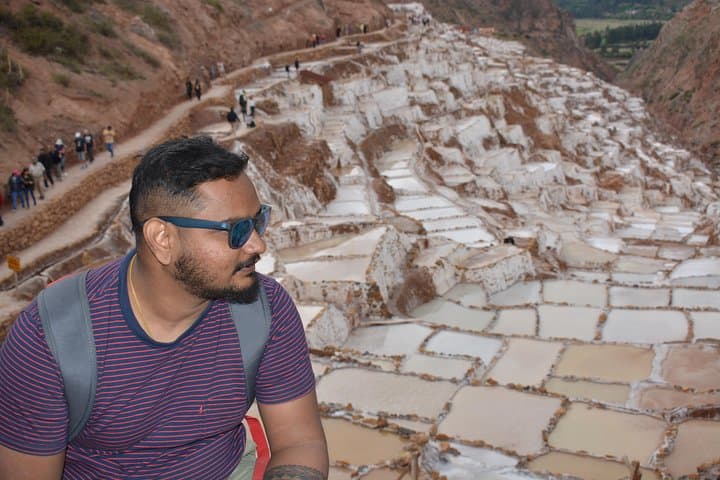
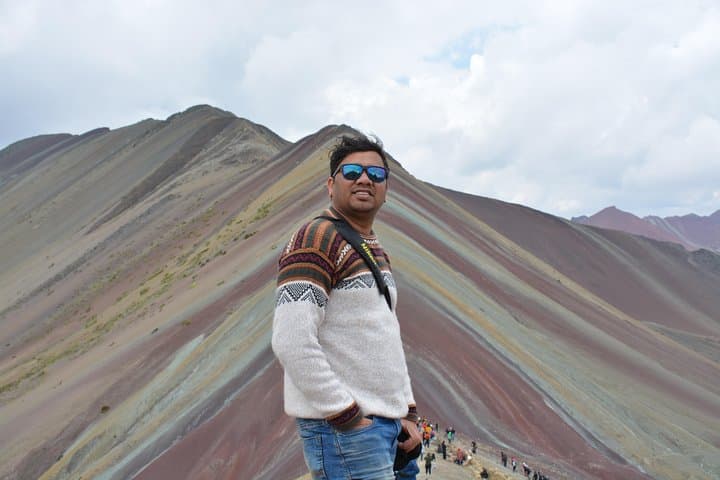
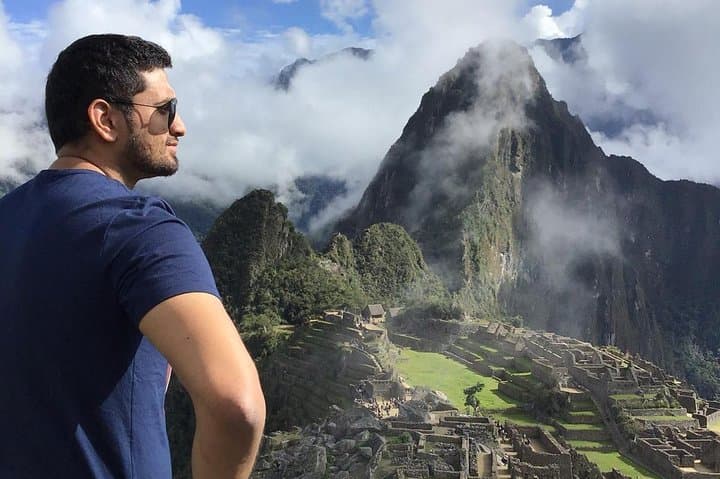
Dawn in the Andes arrives cold and decisive: Cusco’s stone streets give way to terraced fields, and the train’s whistle slices through the valley as travelers move toward Machu Picchu. On this four-day loop the landscape changes fast—salt pans glinting like a folded map at Maras, concentric agricultural rings at Moray, the crowd-thinned citadel of Machu Picchu perched on a ridge, and the startling banded slopes of Vinicunca (Rainbow Mountain) thrusting into thin air at over 5,000 meters.
Dawn in the Andes arrives cold and decisive: Cusco’s stone streets give way to terraced fields, and the train’s whistle slices through the valley as travelers move toward Machu Picchu. On this four-day loop the landscape changes fast—salt pans glinting like a folded map at Maras, concentric agricultural rings at Moray, the crowd-thinned citadel of Machu Picchu perched on a ridge, and the startling banded slopes of Vinicunca (Rainbow Mountain) thrusting into thin air at over 5,000 meters.
Geology and history sit side-by-side here. The Sacred Valley rides an east–west fault line carved by the Urubamba River; Inca engineers reshaped steep terrain into high-altitude farms and stone fortresses such as Ollantaytambo. Cultural notes are immediate: Quechua place names, market stalls selling alpaca textiles, and small altars beside trails remind visitors of living traditions.
Practically, expect early starts (one pickup as early as 4:30 a.m.), a train transfer between Ollantaytambo and Aguas Calientes, a 2‑hour guided circuit inside Machu Picchu, and a Rainbow Mountain trek that typically requires 1.5–2 hours of ascent with 400–700 m of gain depending on your route. Altitude is the principal challenge—Cusco sits near 3,400 m; Rainbow Mountain tops ~5,200 m—so pacing, hydration, and warm, windproof layers matter.
Bring sun protection, sturdy boots, and a compact daypack; plan for simple hostels in Aguas Calientes and a moderate level of fitness. With logistics handled—train tickets, guided entrance, and transfers—this itinerary balances iconic sites and the raw, elemental feel of high Andean country.