THE ADVENTURE COLLECTIVE® · Independent discovery and booking for outdoor travel

Four days across the Cusco region deliver Inca archaeology, a private Machu Picchu visit, the chromatic slopes of Rainbow Mountain, and the icy calm of Humantay Lake. Expect high-altitude hiking, early starts, and a mix of cultural stops and dramatic mountain scenery.
Four days across the Cusco region deliver Inca archaeology, a private Machu Picchu visit, the chromatic slopes of Rainbow Mountain, and the icy calm of Humantay Lake. Expect high-altitude hiking, early starts, and a mix of cultural stops and dramatic mountain scenery.
Dawn in the high Andes arrives like a slow exhale: thin light over Cusco, a driver threading a minivan through terraced hills, and the sense that every bend could reveal another ruin. Over four days this itinerary stitches together the region’s big moments—Sacred Valley terraces and salt pans, a private visit to Machu Picchu, the rainbow-hued slopes of Vinicunca or the flatter Palccoyo, and the icy turquoise stillness of Humantay Lake.
Verified experiences and guided adventures in the surrounding area.
Operated by exploor · Cusco, Cusco
Dawn in the high Andes arrives like a slow exhale: thin light over Cusco, a driver threading a minivan through terraced hills, and the sense that every bend could reveal another ruin. Over four days this itinerary stitches together the region’s big moments—Sacred Valley terraces and salt pans, a private visit to Machu Picchu, the rainbow-hued slopes of Vinicunca or the flatter Palccoyo, and the icy turquoise stillness of Humantay Lake.
The route runs along the backbone of the Inca world. Terraces at Moray and the salt pans of Maras tell practical stories of pre-Columbian agronomy; Ollantaytambo still holds its steep stairways and defensive geometry. Geologically, the colorful strata at Vinicunca are the result of mineral deposits and uplifted sediment—red iron oxides, green clays and other bands exposed by glacial and erosional forces.
Local culture is present in small, everyday gestures: Quechua-speaking weavers in Chinchero, the lowing of llamas, and family-run restaurants serving quinoa-stew and fresh trout. Guides here combine archeological context with practical route-reading—important at altitude where the land pushes back.
Practical guidance: build a 48-hour buffer in Cusco to acclimatize if you can; carry layers and a wind shell, and plan for early starts (Rainbow Mountain/Humantay pickups often leave before 4 a.m.). Expect moderate-to-heavy walking at 3,800–4,600 m; pacing, hydration, and slow breathing matter more than speed. The tour’s included train, bus and private guide reduce logistics stress, but bring sun protection, a reusable water bottle, and comfortable, broken-in boots. If altitude hits you, descend and seek oxygen or medical help; it’s common, manageable, and part of traveling the high Andes.
challenging.
4 days.
Good cardiovascular fitness recommended; comfortable with 2–3 hour uphill hikes at 3,800–4,600 m.
No technical climbing skills are required; the trip involves high-altitude hiking on marked trails and basic stair climbs.
May–September offers the driest, clearest conditions—good for visibility at Machu Picchu and Rainbow Mountain.
The itinerary includes a light first day in Cusco for acclimation, but adding an extra rest day before major hikes is strongly recommended.
Yes—this tour includes the expedition train both ways, Machu Picchu entrance, and the shuttle bus to the ruins.
The Sacred Valley was an agricultural backbone for the Inca, with engineered terraces, storage sites and ceremonial centers still visible at Moray and Ollantaytambo.
Visitors should stick to trails, avoid single-use plastics, and respect local sites; community-based tourism supports Andean livelihoods and helps protect fragile alpine ecosystems.
exploor operates guided outdoor trips and adventures with an emphasis on safety, stewardship, and memorable experiences.
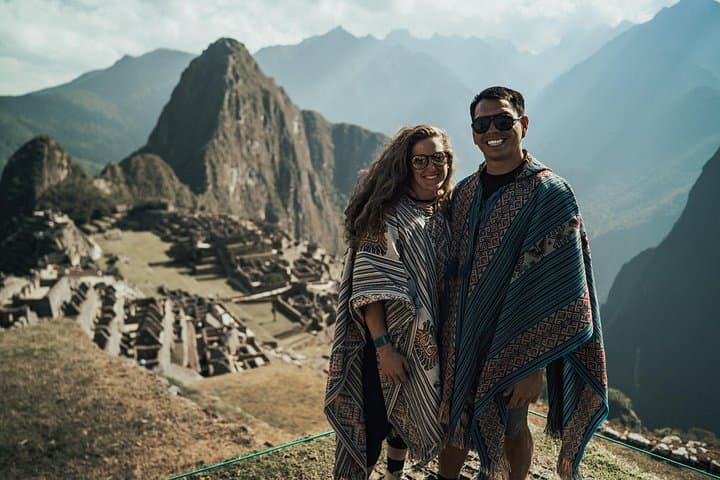
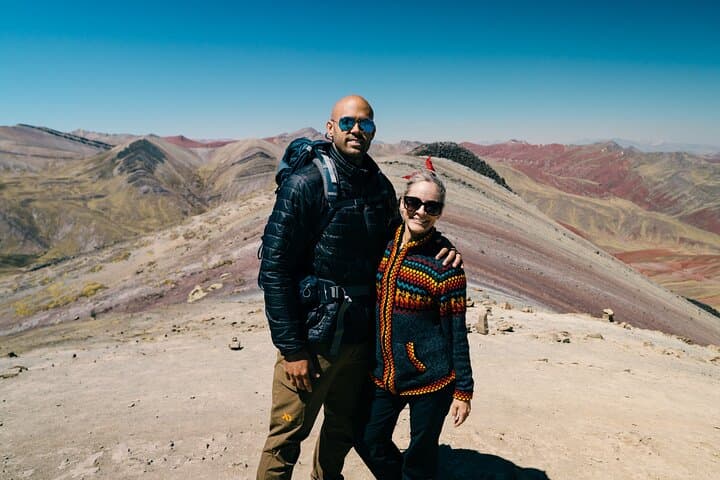
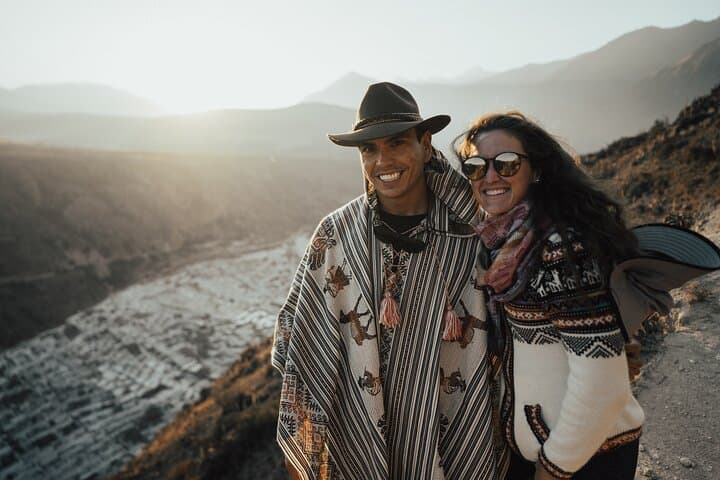
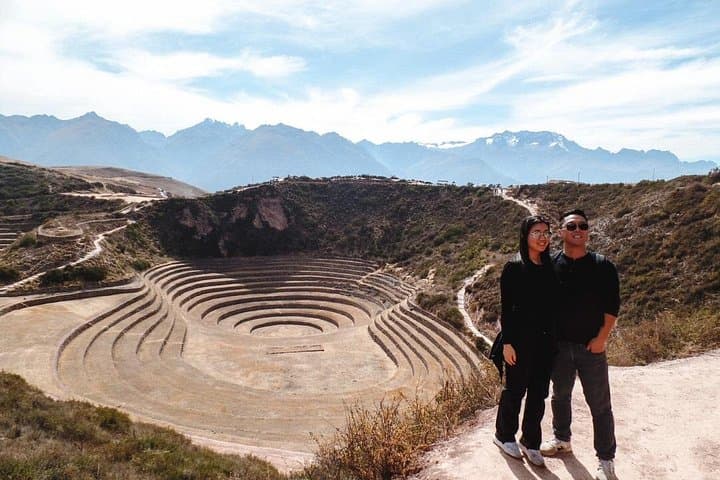
Dawn in the high Andes arrives like a slow exhale: thin light over Cusco, a driver threading a minivan through terraced hills, and the sense that every bend could reveal another ruin. Over four days this itinerary stitches together the region’s big moments—Sacred Valley terraces and salt pans, a private visit to Machu Picchu, the rainbow-hued slopes of Vinicunca or the flatter Palccoyo, and the icy turquoise stillness of Humantay Lake.
Dawn in the high Andes arrives like a slow exhale: thin light over Cusco, a driver threading a minivan through terraced hills, and the sense that every bend could reveal another ruin. Over four days this itinerary stitches together the region’s big moments—Sacred Valley terraces and salt pans, a private visit to Machu Picchu, the rainbow-hued slopes of Vinicunca or the flatter Palccoyo, and the icy turquoise stillness of Humantay Lake.
The route runs along the backbone of the Inca world. Terraces at Moray and the salt pans of Maras tell practical stories of pre-Columbian agronomy; Ollantaytambo still holds its steep stairways and defensive geometry. Geologically, the colorful strata at Vinicunca are the result of mineral deposits and uplifted sediment—red iron oxides, green clays and other bands exposed by glacial and erosional forces.
Local culture is present in small, everyday gestures: Quechua-speaking weavers in Chinchero, the lowing of llamas, and family-run restaurants serving quinoa-stew and fresh trout. Guides here combine archeological context with practical route-reading—important at altitude where the land pushes back.
Practical guidance: build a 48-hour buffer in Cusco to acclimatize if you can; carry layers and a wind shell, and plan for early starts (Rainbow Mountain/Humantay pickups often leave before 4 a.m.). Expect moderate-to-heavy walking at 3,800–4,600 m; pacing, hydration, and slow breathing matter more than speed. The tour’s included train, bus and private guide reduce logistics stress, but bring sun protection, a reusable water bottle, and comfortable, broken-in boots. If altitude hits you, descend and seek oxygen or medical help; it’s common, manageable, and part of traveling the high Andes.