THE ADVENTURE COLLECTIVE® · Independent discovery and booking for outdoor travel

A four-day safari into Ruaha National Park puts you into Tanzania’s remote interior where huge elephant herds, endangered wild dogs, and dramatic riverine habitats define the day. Expect long drives, early mornings, and rewarding, close-up wildlife viewing across varied terrain.
A four-day safari into Ruaha National Park puts you into Tanzania’s remote interior where huge elephant herds, endangered wild dogs, and dramatic riverine habitats define the day. Expect long drives, early mornings, and rewarding, close-up wildlife viewing across varied terrain.
Dust from the track lifts behind the vehicle as you enter Ruaha’s wide basin; the Great Ruaha River cuts through red earth and an orchestra of birds keeps time. Acacia silhouettes punctuate the horizon and herds move like slow weather across the plain. Days here are measured in sightings: elephant trains crossing river shallows, packs of African wild dog slipping between scrub, and idle lions warming on shaded kopjes.
Verified experiences and guided adventures in the surrounding area.
Dust from the track lifts behind the vehicle as you enter Ruaha’s wide basin; the Great Ruaha River cuts through red earth and an orchestra of birds keeps time. Acacia silhouettes punctuate the horizon and herds move like slow weather across the plain. Days here are measured in sightings: elephant trains crossing river shallows, packs of African wild dog slipping between scrub, and idle lions warming on shaded kopjes.
Ruaha is Tanzania’s vast interior wilderness, part of a larger ecosystem long used by local pastoralist communities and later set aside for conservation and wildlife protection. Geologically, its landscape is a mosaic of old crystalline highlands, riverine floodplains, and sandy red tracks carved by seasonal rains; this variety supports dense elephant populations and diverse ungulates. Cultural life around the park reflects Hehe and other tribal histories—local guides often share stories that place wildlife within long-standing land-use patterns.
Practically, expect long game drives on corrugated roads, early starts to catch predator and river activity, and heat by midday that invites shade. Four days gives a solid window to travel from Dar es Salaam, Morogoro, or Dodoma and concentrate on the Msembe and Jongomero sectors. Bring binoculars, neutral clothing, and hydration plans; vehicles are basic but effective, and private tours typically include transfers and lodging choices from tented camps to lodges. Respect wildlife distances and local regulations; seasonal rains can alter access, so confirm vehicle type and timing with your operator. This is remote safari—rewarding, rhythm-driven, and best approached with patience and a sense of being a temporary guest in a large, living system.
moderate.
4 days.
Good for people who can tolerate long vehicle hours, short walks on uneven ground, and early departures
Travel options include a domestic flight to Msembe airstrip or a long road transfer (8–10+ hours) via 4x4; many tours include transfers in their package.
Malaria is present—consult a travel clinic for prophylaxis, use insect repellent, and sleep under nets where provided.
Elephants and ungulates are highly reliable; predator sightings (lion, leopard, wild dog) depend on season and luck but are common on multi-day safaris.
It depends on the operator and package—confirm whether accommodation, park fees, meals, and transfers are included before booking.
The park protects a large portion of Tanzania’s interior wildlife estate; local pastoralist land use and later conservation efforts shaped its modern boundaries.
Ruaha’s conservation priorities include anti-poaching for elephants and wild dog habitat connectivity; supporting community-based tourism helps local livelihoods and reduces pressure on resources.
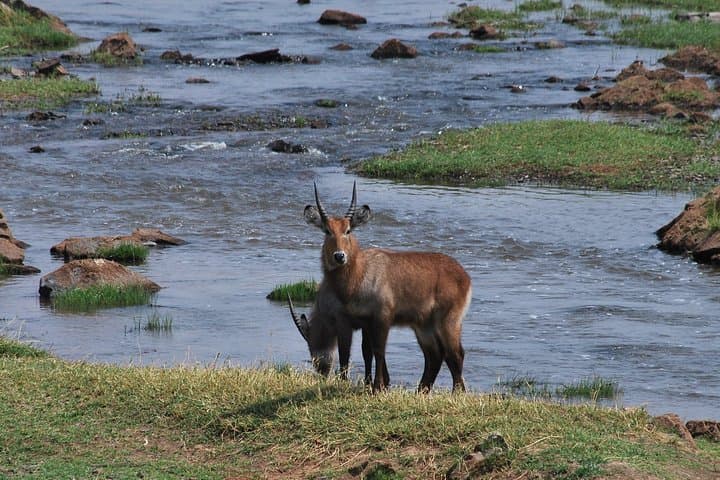
Dust from the track lifts behind the vehicle as you enter Ruaha’s wide basin; the Great Ruaha River cuts through red earth and an orchestra of birds keeps time. Acacia silhouettes punctuate the horizon and herds move like slow weather across the plain. Days here are measured in sightings: elephant trains crossing river shallows, packs of African wild dog slipping between scrub, and idle lions warming on shaded kopjes.
Dust from the track lifts behind the vehicle as you enter Ruaha’s wide basin; the Great Ruaha River cuts through red earth and an orchestra of birds keeps time. Acacia silhouettes punctuate the horizon and herds move like slow weather across the plain. Days here are measured in sightings: elephant trains crossing river shallows, packs of African wild dog slipping between scrub, and idle lions warming on shaded kopjes.
Ruaha is Tanzania’s vast interior wilderness, part of a larger ecosystem long used by local pastoralist communities and later set aside for conservation and wildlife protection. Geologically, its landscape is a mosaic of old crystalline highlands, riverine floodplains, and sandy red tracks carved by seasonal rains; this variety supports dense elephant populations and diverse ungulates. Cultural life around the park reflects Hehe and other tribal histories—local guides often share stories that place wildlife within long-standing land-use patterns.
Practically, expect long game drives on corrugated roads, early starts to catch predator and river activity, and heat by midday that invites shade. Four days gives a solid window to travel from Dar es Salaam, Morogoro, or Dodoma and concentrate on the Msembe and Jongomero sectors. Bring binoculars, neutral clothing, and hydration plans; vehicles are basic but effective, and private tours typically include transfers and lodging choices from tented camps to lodges. Respect wildlife distances and local regulations; seasonal rains can alter access, so confirm vehicle type and timing with your operator. This is remote safari—rewarding, rhythm-driven, and best approached with patience and a sense of being a temporary guest in a large, living system.