THE ADVENTURE COLLECTIVE® · Independent discovery and booking for outdoor travel

Spend four days exploring Ruaha National Park on a budget-friendly safari—game drives at dawn and dusk, modest bandas for overnight stays, and concentrated wildlife viewing across riverine pools and acacia plains. Practical tips cover seasonality, packing, and what to expect on long transfers from Iringa.
Spend four days exploring Ruaha National Park on a budget-friendly safari—game drives at dawn and dusk, modest bandas for overnight stays, and concentrated wildlife viewing across riverine pools and acacia plains. Practical tips cover seasonality, packing, and what to expect on long transfers from Iringa.
Dawn spills gold across acacia crowns as your safari vehicle slips onto a red-earth track—dust rising, the Great Ruaha River calling from a distance. In those first slow miles the landscape clarifies: dry lowlands, miombo and acacia woodlands, and long ridgelines that frame floodplain pools where elephants and buffalo gather.
Verified experiences and guided adventures in the surrounding area.
Operated by Zepisa African Safaris · Iringa, Iringa Region
Dawn spills gold across acacia crowns as your safari vehicle slips onto a red-earth track—dust rising, the Great Ruaha River calling from a distance. In those first slow miles the landscape clarifies: dry lowlands, miombo and acacia woodlands, and long ridgelines that frame floodplain pools where elephants and buffalo gather.
Ruaha is one of Tanzania’s largest parks (roughly 20,000 km²) and its geology is simple but striking: ancient metamorphic highlands give way to sandy river valleys carved by the Great Ruaha. The park’s scale and varied habitats support a high density of predators and large herbivores; culturally, the surrounding Iringa region is home to the Hehe and other communities whose histories tie to the bush and riverine resources.
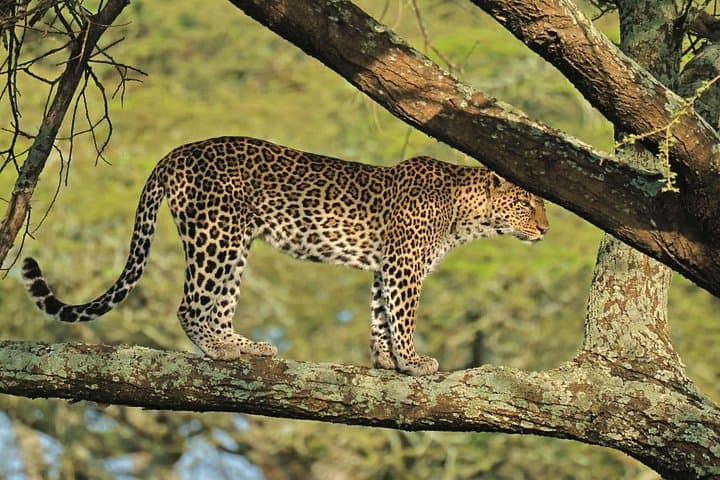
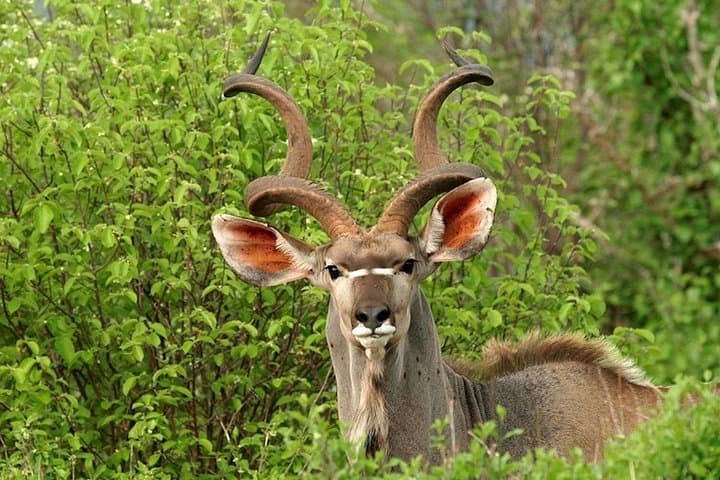
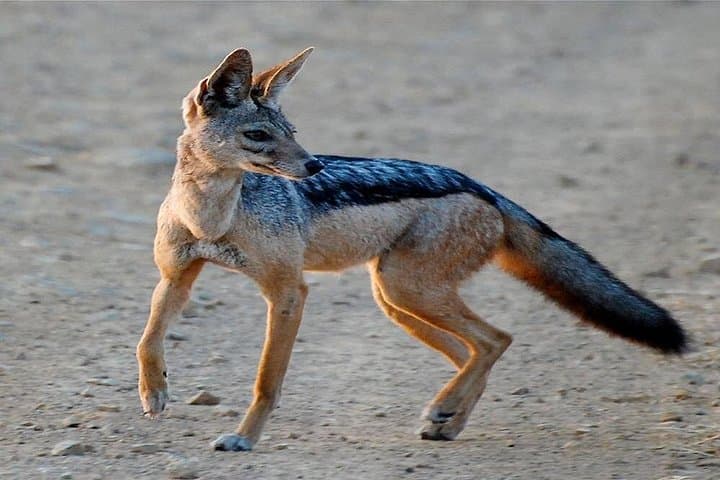
On a four-day budget safari you’ll move from Iringa into the park, sleep in bandas and modest lodges, and spend late afternoons and early mornings on game drives. Expect wetlands and open grassland sightings—lions at dusk, elephants cooling in river shallows, giraffes feeding on umbrella acacias, and prolific birdlife from raptors to kingfishers.
Practical edge: travel times are long—Iringa to park transfers take several hours—so plan for early departures. Dry-season drives (June–October) offer easier spotting and firm tracks; rains bring dramatic green scenery but can slow access. Bring binoculars, sun protection, a neutral clothing palette for photography, and basic malaria prevention. Guides and rangers lead drives and occasional bush walks; follow their instructions closely. Leave larger-than-necessary footprints in memory, not in the park—respect vehicle rules, refuse disposal, and local wildlife codes.
moderate.
4 days.
Suitable for travelers with moderate fitness—able to handle bumpy vehicle rides and short walks.
Most tours include transfers from Iringa by road; expect a multi-hour drive on graded and unpaved roads—book transport through your operator.
Yes—Ruaha is a malaria area. Take prophylaxis advised by your doctor and use mosquito protection in the evenings.
This budget itinerary uses simple bandas and modest lodges with basic amenities—full board is typically included.
This tour is not recommended for pregnant travelers or those with significant spinal/cardiac conditions due to rough roads and remote conditions.
The area around Ruaha has long been inhabited by the Hehe and other groups; the park became a major conservation area in the 20th century and expanded to protect seasonal river ecosystems.
Ruaha faces pressures from water use upstream and poaching; responsible tourism supports community programs and anti-poaching efforts—minimize waste and follow guide instructions.
Zepisa African Safaris operates guided outdoor trips and adventures with an emphasis on safety, stewardship, and memorable experiences.
Dawn spills gold across acacia crowns as your safari vehicle slips onto a red-earth track—dust rising, the Great Ruaha River calling from a distance. In those first slow miles the landscape clarifies: dry lowlands, miombo and acacia woodlands, and long ridgelines that frame floodplain pools where elephants and buffalo gather.
Dawn spills gold across acacia crowns as your safari vehicle slips onto a red-earth track—dust rising, the Great Ruaha River calling from a distance. In those first slow miles the landscape clarifies: dry lowlands, miombo and acacia woodlands, and long ridgelines that frame floodplain pools where elephants and buffalo gather.
Ruaha is one of Tanzania’s largest parks (roughly 20,000 km²) and its geology is simple but striking: ancient metamorphic highlands give way to sandy river valleys carved by the Great Ruaha. The park’s scale and varied habitats support a high density of predators and large herbivores; culturally, the surrounding Iringa region is home to the Hehe and other communities whose histories tie to the bush and riverine resources.
On a four-day budget safari you’ll move from Iringa into the park, sleep in bandas and modest lodges, and spend late afternoons and early mornings on game drives. Expect wetlands and open grassland sightings—lions at dusk, elephants cooling in river shallows, giraffes feeding on umbrella acacias, and prolific birdlife from raptors to kingfishers.
Practical edge: travel times are long—Iringa to park transfers take several hours—so plan for early departures. Dry-season drives (June–October) offer easier spotting and firm tracks; rains bring dramatic green scenery but can slow access. Bring binoculars, sun protection, a neutral clothing palette for photography, and basic malaria prevention. Guides and rangers lead drives and occasional bush walks; follow their instructions closely. Leave larger-than-necessary footprints in memory, not in the park—respect vehicle rules, refuse disposal, and local wildlife codes.