THE ADVENTURE COLLECTIVE® · Independent discovery and booking for outdoor travel

A gentle four-day introduction to the Annapurna foothills, the Royal Trek links village life, forested trails and panoramic lake-and-mountain views. Ideal for beginners and older walkers who want Himalayan scenery without technical demands.
A gentle four-day introduction to the Annapurna foothills, the Royal Trek links village life, forested trails and panoramic lake-and-mountain views. Ideal for beginners and older walkers who want Himalayan scenery without technical demands.
Morning mist lifts off terraced fields as you step from a private vehicle onto a narrow village trail — the Royal Trek begins like a slow invitation. The path rises through oak and rhododendron, opens to an avalanche of mountain light, and gives on clear days a folded view of the Annapurna range and Phewa Lake below.
Verified experiences and guided adventures in the surrounding area.
Operated by AM Travels and Tours · Pokhara, Gandaki Province
Morning mist lifts off terraced fields as you step from a private vehicle onto a narrow village trail — the Royal Trek begins like a slow invitation. The path rises through oak and rhododendron, opens to an avalanche of mountain light, and gives on clear days a folded view of the Annapurna range and Phewa Lake below.
The route is short by Himalayan standards and earned its name after Prince Charles walked portions of it in the 1980s. Geologically, you move from younger valley alluvium up into weathered metamorphic slopes; the terrain is mostly packed earth and stone steps, punctuated by village lanes and tea-house patches. Culturally, villages along the way are Magar and Gurung communities—simple farm life, prayer flags, terraced rice paddies and teahouses that serve Dal Bhat and local hospitality.
Expect gentle ascents to 1,700–1,800 m, forested stretches that smell of pine resin, and low-altitude mountain views rather than high alpine exposure. Wildlife is modest but present: pheasants call from the understory and occasional langur or muntjac may move away at the edge of a field.
Practical edge: walks are 3–6 hours daily on uneven surfaces; comfortable boots and layered clothing matter more than technical gear. Lodging is in basic tea houses with communal dining; carry cash and a small headlamp. Morning windows (sunrise to mid-morning) offer the clearest mountain vistas, while afternoons can cloud in. The trek is intentionally accessible — suited to beginners and older travelers who want Himalayan scenery without remote logistics — but respect altitude gains and pace yourself; hydration and steady pacing are the simplest risk controls on this approachable, rewarding route.
easy.
4 days.
Suitable for beginners and older travelers with basic fitness; able to walk 3–6 hours a day on uneven trails.
The trek is designed for beginners and older travelers; basic cardiovascular fitness and the ability to walk 3–6 hours on uneven ground each day is sufficient.
You’ll stay in basic tea-house lodges with shared bathrooms in some places, simple meals (Dal Bhat), and friendly local hosts.
Maximum elevations are around 1,700–1,800 m—low risk for acute altitude sickness, but ascend at a comfortable pace and hydrate well.
Local regulations vary; this itinerary includes an English-speaking trekking guide and private transfers, which simplifies logistics and supports local economies.
The route gained attention when Prince Charles walked here in the 1980s; it has since been promoted as an accessible way to experience Annapurna foothills.
Trails run through community-managed landscapes; stick to marked paths, pack out waste when possible, and support local tea houses to keep tourism benefits in the valley.
AM Travels and Tours operates guided outdoor trips and adventures with an emphasis on safety, stewardship, and memorable experiences.
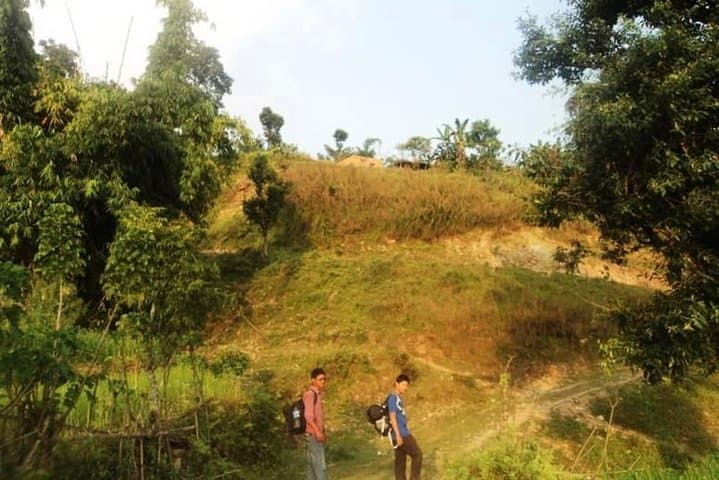
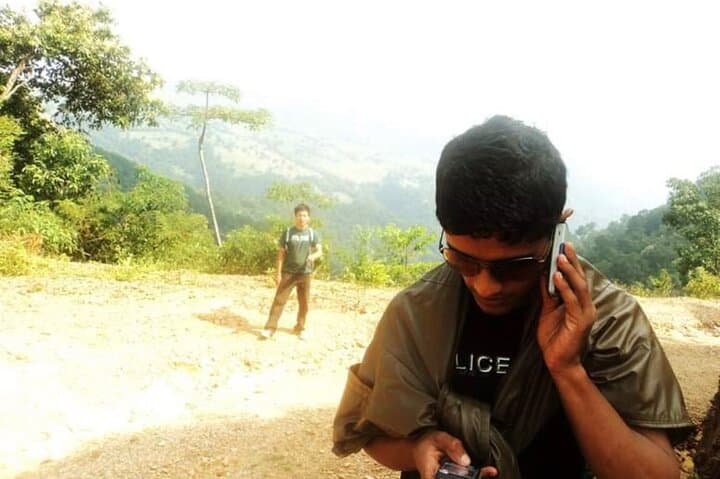
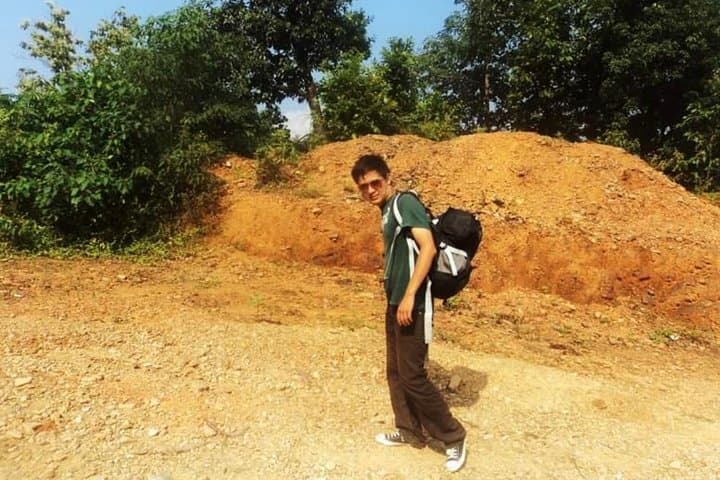
Morning mist lifts off terraced fields as you step from a private vehicle onto a narrow village trail — the Royal Trek begins like a slow invitation. The path rises through oak and rhododendron, opens to an avalanche of mountain light, and gives on clear days a folded view of the Annapurna range and Phewa Lake below.
Morning mist lifts off terraced fields as you step from a private vehicle onto a narrow village trail — the Royal Trek begins like a slow invitation. The path rises through oak and rhododendron, opens to an avalanche of mountain light, and gives on clear days a folded view of the Annapurna range and Phewa Lake below.
The route is short by Himalayan standards and earned its name after Prince Charles walked portions of it in the 1980s. Geologically, you move from younger valley alluvium up into weathered metamorphic slopes; the terrain is mostly packed earth and stone steps, punctuated by village lanes and tea-house patches. Culturally, villages along the way are Magar and Gurung communities—simple farm life, prayer flags, terraced rice paddies and teahouses that serve Dal Bhat and local hospitality.
Expect gentle ascents to 1,700–1,800 m, forested stretches that smell of pine resin, and low-altitude mountain views rather than high alpine exposure. Wildlife is modest but present: pheasants call from the understory and occasional langur or muntjac may move away at the edge of a field.
Practical edge: walks are 3–6 hours daily on uneven surfaces; comfortable boots and layered clothing matter more than technical gear. Lodging is in basic tea houses with communal dining; carry cash and a small headlamp. Morning windows (sunrise to mid-morning) offer the clearest mountain vistas, while afternoons can cloud in. The trek is intentionally accessible — suited to beginners and older travelers who want Himalayan scenery without remote logistics — but respect altitude gains and pace yourself; hydration and steady pacing are the simplest risk controls on this approachable, rewarding route.