THE ADVENTURE COLLECTIVE® · Independent discovery and booking for outdoor travel

A concise four-day itinerary that pairs Rio’s iconic summits—Sugarloaf and Corcovado—with a jeep tour through Tijuca Forest. Expect dramatic viewpoints, urban rainforest wildlife, and practical tips for making the most of each morning light.
A concise four-day itinerary that pairs Rio’s iconic summits—Sugarloaf and Corcovado—with a jeep tour through Tijuca Forest. Expect dramatic viewpoints, urban rainforest wildlife, and practical tips for making the most of each morning light.
You step from a private transfer into Rio’s humid light and the city opens around you—waves licking at Copacabana’s edge, granite domes rising like old guards, and the great arms of Christ the Redeemer watching over the bay.
Verified experiences and guided adventures in the surrounding area.
Operated by Signature Tours · Rio de Janeiro, Rio de Janeiro
You step from a private transfer into Rio’s humid light and the city opens around you—waves licking at Copacabana’s edge, granite domes rising like old guards, and the great arms of Christ the Redeemer watching over the bay.
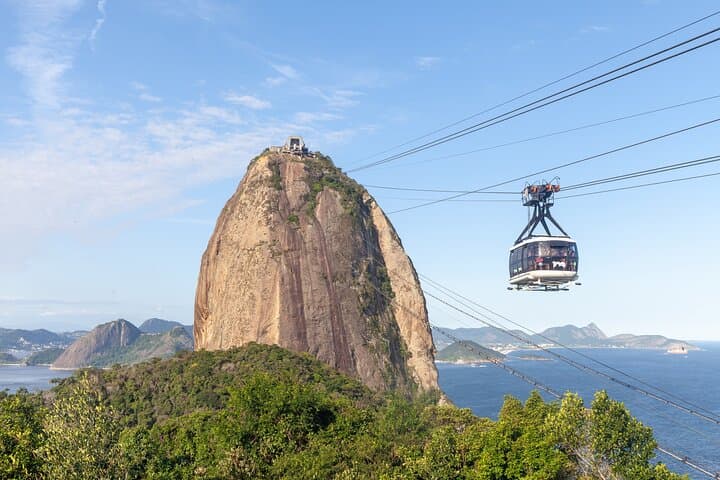
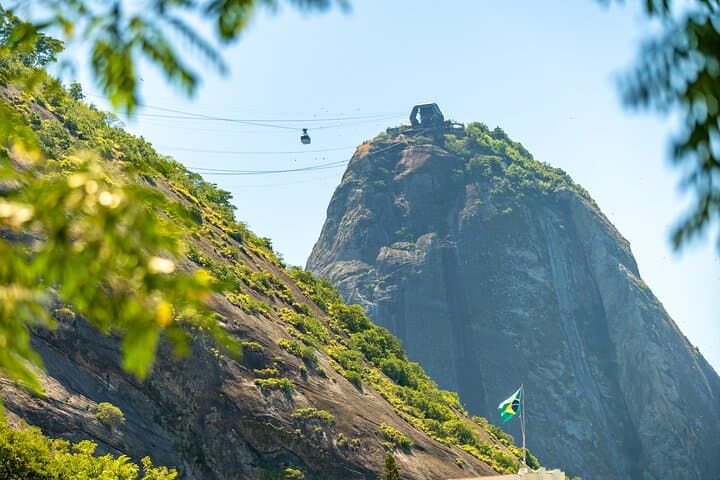
On day two glass cable cars climb Sugarloaf (Pão de Açúcar) to 395 m, revealing Guanabara Bay’s scattered islands and the sweep of beaches below. Later you ride toward Corcovado, ascending through Tijuca’s green lung to the 710 m summit where the statue’s outstretched presence frames the city like a map. Tijuca Forest itself is a reclaimed, largely replanted rainforest—one of the largest urban forests in the world (around 39.5 km²)—where jeeps thread narrow roads and curious monkeys peer from bromeliads.
Rio’s geology is blunt and expressive: exposed granite and gneiss sculpted by millennia of weather into steep peaks that invite panoramic observation rather than technical climbing. Culturally the city is a mix of Portuguese colonial architecture, Afro-Brazilian rhythms, and a street-level love of food—feijoada, fresh açai bowls, and seafood are staples.
Practical guidance: the program includes hotel transfers and a 4-star base; tours are rated easy but expect uneven sidewalks and stairs. Arrive early at Sugarloaf and Corcovado to avoid crowds and haze; carry sunscreen, a light rain layer, and water. Note travel-document updates: from April 10, 2025 U.S. and Canadian citizens require an electronic visa. Pack comfortable shoes for short hikes in Tijuca and a small daypack for cameras and hydration—Rio rewards early mornings and long golden hours for photographs.
easy.
4 days.
Suitable for travelers in average fitness; short walks and easy jeep routes rather than technical hikes.
As of April 10, 2025, citizens of the U.S., Canada and Australia need an electronic visa to enter Brazil—apply before travel via official channels.
No—the itinerary is rated easy with short walks, cable-car rides and jeep transfers; accessibility varies at some viewpoints with steps.
The full-day Corcovado and Sugarloaf excursion with lunch and admissions are included as noted in the itinerary; check your booking confirmation for details.
Expect non-threatening urban wildlife such as small monkeys, toucans or other tropical birds, and occasionally sloths in higher canopy areas.
Corcovado and Sugarloaf have guided Rio’s identity since the early 20th century; Christ the Redeemer was completed in 1931 and became an international symbol of the city.
Tijuca is a restored forest—ongoing conservation focuses on invasive species control, reforestation maintenance, and minimizing visitor impact through trail management.
Signature Tours operates guided outdoor trips and adventures with an emphasis on safety, stewardship, and memorable experiences.


You step from a private transfer into Rio’s humid light and the city opens around you—waves licking at Copacabana’s edge, granite domes rising like old guards, and the great arms of Christ the Redeemer watching over the bay.
You step from a private transfer into Rio’s humid light and the city opens around you—waves licking at Copacabana’s edge, granite domes rising like old guards, and the great arms of Christ the Redeemer watching over the bay.
On day two glass cable cars climb Sugarloaf (Pão de Açúcar) to 395 m, revealing Guanabara Bay’s scattered islands and the sweep of beaches below. Later you ride toward Corcovado, ascending through Tijuca’s green lung to the 710 m summit where the statue’s outstretched presence frames the city like a map. Tijuca Forest itself is a reclaimed, largely replanted rainforest—one of the largest urban forests in the world (around 39.5 km²)—where jeeps thread narrow roads and curious monkeys peer from bromeliads.
Rio’s geology is blunt and expressive: exposed granite and gneiss sculpted by millennia of weather into steep peaks that invite panoramic observation rather than technical climbing. Culturally the city is a mix of Portuguese colonial architecture, Afro-Brazilian rhythms, and a street-level love of food—feijoada, fresh açai bowls, and seafood are staples.
Practical guidance: the program includes hotel transfers and a 4-star base; tours are rated easy but expect uneven sidewalks and stairs. Arrive early at Sugarloaf and Corcovado to avoid crowds and haze; carry sunscreen, a light rain layer, and water. Note travel-document updates: from April 10, 2025 U.S. and Canadian citizens require an electronic visa. Pack comfortable shoes for short hikes in Tijuca and a small daypack for cameras and hydration—Rio rewards early mornings and long golden hours for photographs.