THE ADVENTURE COLLECTIVE® · Independent discovery and booking for outdoor travel

See three of Turkey’s headline destinations in four days with private guides and transport: balloon-lit valleys of Cappadocia, marble avenues of Ephesus, and the white terraces of Pamukkale. This compact route balances immersive history with practical logistics—flights, transfers, and lunches are included.
See three of Turkey’s headline destinations in four days with private guides and transport: balloon-lit valleys of Cappadocia, marble avenues of Ephesus, and the white terraces of Pamukkale. This compact route balances immersive history with practical logistics—flights, transfers, and lunches are included.
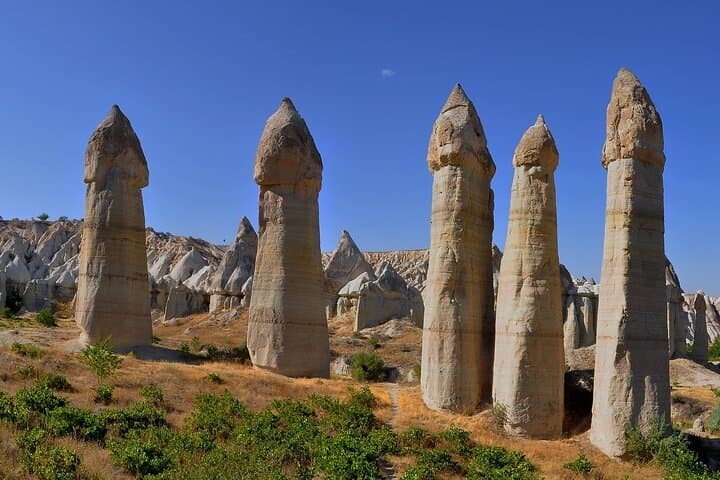
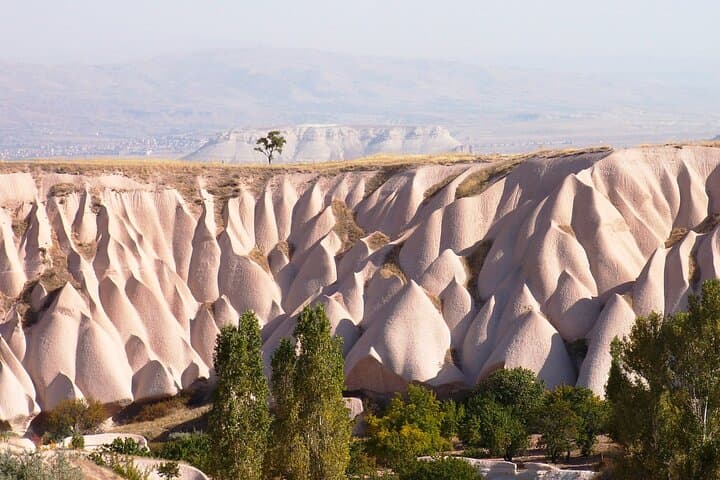
The day begins before dawn, when the valley in Cappadocia exhales and hot-air balloons pepper the sky like lanterns. You step out of a small minivan—your private guide already checking the route—and the stony moonscape feels older than language. Over the next four days the rhythm shifts fast: volcanic plateaus and fairy chimneys in central Anatolia give way to marble-paved Roman streets at Ephesus, then to the calcified terraces of Pamukkale, where warm thermal water dares you to trace childhood footprints across white travertine.
Verified experiences and guided adventures in the surrounding area.
Operated by Guided Istanbul Tours · Istanbul, Istanbul
The day begins before dawn, when the valley in Cappadocia exhales and hot-air balloons pepper the sky like lanterns. You step out of a small minivan—your private guide already checking the route—and the stony moonscape feels older than language. Over the next four days the rhythm shifts fast: volcanic plateaus and fairy chimneys in central Anatolia give way to marble-paved Roman streets at Ephesus, then to the calcified terraces of Pamukkale, where warm thermal water dares you to trace childhood footprints across white travertine.
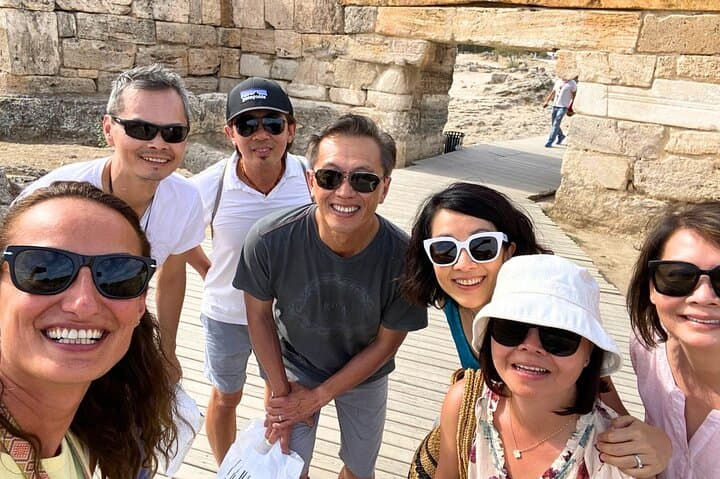
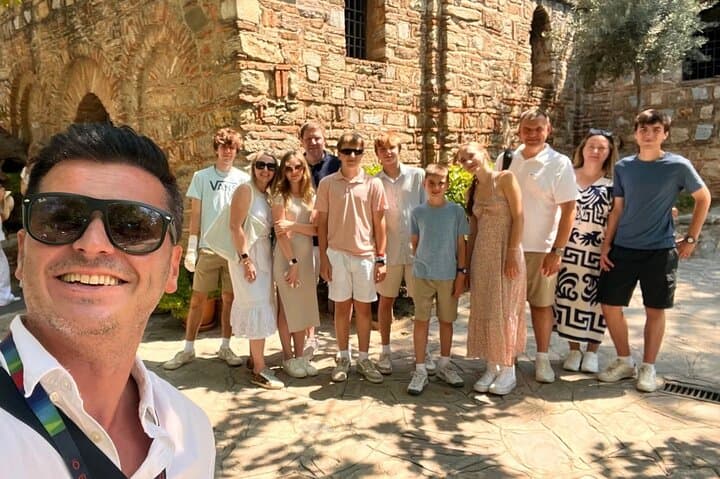
This itinerary stitches three of Turkey’s headline sites into a compact, private circuit. Cappadocia’s chimneys and underground cities grew from millennia of volcanic ash and erosion; Göreme Open-Air Museum holds frescoed cave churches that map early Christian life. Kaymakli’s subterranean tunnels reveal how ancient communities retreated underground in winter and war. On day three, a short flight deposits you on the Aegean coast near Ephesus—once a major Roman port, home to the Library of Celsus and the marble-curved Curetes Street. The route closes at Pamukkale, where thermal springs have deposited calcium for millennia, building terraces that supported the necropolis and spa city of Hierapolis.
Along the way culture and craft are part of the attraction: Avanos pottery studios keep Hittite-era techniques alive; Selçuk’s markets sell figs and olive oil that taste of sea-breeze and limestone. Turkish lunches are included most days—expect simple, regional fare like lentil soup, slow-roasted kebab, and gözleme—useful fuel for full-day walking.
Practicalities: the tour is private and includes internal flights (Istanbul–Cappadocia; Cappadocia–Izmir; Denizli–Istanbul), private transport, airport transfers, entrance fees where noted, and four lunches. Flight legs are roughly 1–1.5 hours; expect 30–90 minutes of driving between sites. Travelers should be comfortable with 1–3 hours of walking each day on uneven surfaces (rocky trails, ancient marble, and slippery travertine). Cappadocia sits around 1,000–1,300 m above sea level, so mornings can be cool.
Tips to plan: book the optional hot-air balloon early—seasonal slots fill fast and it’s weather-dependent. At Pamukkale you’ll need to remove shoes to protect the terraces; bring a small bag for footwear. The tour is family-friendly but not recommended for pregnant travelers or those with serious heart conditions. Peak comfort comes in spring and fall when temperatures are mild; summer can be hot on the Aegean coast, and winter brings fewer balloon flights.
This is a dense, low-hassle way to connect three very different faces of Turkey—geology, empire, and mineral water—guided by locals who can place each ruin and hillside in human time.
moderate.
4 days.
Moderate fitness: comfortable walking for 1–3 hours daily, some stairs and uneven terrain
Yes—domestic flights between Istanbul–Cappadocia, Cappadocia–Izmir (Ephesus area), and Denizli–Istanbul are included in the itinerary.
Yes—the balloon is optional and can be added during booking; it’s weather-dependent and best reserved early.
Yes—walking is allowed on specific paths but shoes must be removed to protect the travertine; follow guide instructions and avoid fenced areas.
Yes—this is a family-friendly private tour, but it includes walking and stairs; infants can use strollers in some locations.
Private local guides typically speak English; you can confirm language preferences when booking.
Full refund if canceled at least 3 full days before departure; cancellations within 3 days are non-refundable.
The route crosses millennia: Hittite and Roman layers in central Anatolia, Ephesus’s Roman-era urban plan, and Hierapolis’s thermal city shaped by Roman spa culture.
Pamukkale’s terraces are fragile—visitor numbers are managed and parts are closed for restoration; respect pathways and local rules to reduce wear.
Guided Istanbul Tours operates guided outdoor trips and adventures with an emphasis on safety, stewardship, and memorable experiences.
The day begins before dawn, when the valley in Cappadocia exhales and hot-air balloons pepper the sky like lanterns. You step out of a small minivan—your private guide already checking the route—and the stony moonscape feels older than language. Over the next four days the rhythm shifts fast: volcanic plateaus and fairy chimneys in central Anatolia give way to marble-paved Roman streets at Ephesus, then to the calcified terraces of Pamukkale, where warm thermal water dares you to trace childhood footprints across white travertine.
The day begins before dawn, when the valley in Cappadocia exhales and hot-air balloons pepper the sky like lanterns. You step out of a small minivan—your private guide already checking the route—and the stony moonscape feels older than language. Over the next four days the rhythm shifts fast: volcanic plateaus and fairy chimneys in central Anatolia give way to marble-paved Roman streets at Ephesus, then to the calcified terraces of Pamukkale, where warm thermal water dares you to trace childhood footprints across white travertine.
This itinerary stitches three of Turkey’s headline sites into a compact, private circuit. Cappadocia’s chimneys and underground cities grew from millennia of volcanic ash and erosion; Göreme Open-Air Museum holds frescoed cave churches that map early Christian life. Kaymakli’s subterranean tunnels reveal how ancient communities retreated underground in winter and war. On day three, a short flight deposits you on the Aegean coast near Ephesus—once a major Roman port, home to the Library of Celsus and the marble-curved Curetes Street. The route closes at Pamukkale, where thermal springs have deposited calcium for millennia, building terraces that supported the necropolis and spa city of Hierapolis.
Along the way culture and craft are part of the attraction: Avanos pottery studios keep Hittite-era techniques alive; Selçuk’s markets sell figs and olive oil that taste of sea-breeze and limestone. Turkish lunches are included most days—expect simple, regional fare like lentil soup, slow-roasted kebab, and gözleme—useful fuel for full-day walking.
Practicalities: the tour is private and includes internal flights (Istanbul–Cappadocia; Cappadocia–Izmir; Denizli–Istanbul), private transport, airport transfers, entrance fees where noted, and four lunches. Flight legs are roughly 1–1.5 hours; expect 30–90 minutes of driving between sites. Travelers should be comfortable with 1–3 hours of walking each day on uneven surfaces (rocky trails, ancient marble, and slippery travertine). Cappadocia sits around 1,000–1,300 m above sea level, so mornings can be cool.
Tips to plan: book the optional hot-air balloon early—seasonal slots fill fast and it’s weather-dependent. At Pamukkale you’ll need to remove shoes to protect the terraces; bring a small bag for footwear. The tour is family-friendly but not recommended for pregnant travelers or those with serious heart conditions. Peak comfort comes in spring and fall when temperatures are mild; summer can be hot on the Aegean coast, and winter brings fewer balloon flights.
This is a dense, low-hassle way to connect three very different faces of Turkey—geology, empire, and mineral water—guided by locals who can place each ruin and hillside in human time.