THE ADVENTURE COLLECTIVE® · Independent discovery and booking for outdoor travel

Swap frantic transit for a private, four-day sweep across Tokyo’s iconic outskirts: Mount Fuji’s presence, Hakone’s ropeway and pirate boat, Kamakura’s Great Buddha, and Nikko’s UNESCO shrines. This tour balances big-picture views with practical pacing—ideal for first-time visitors who want depth and efficiency.
Swap frantic transit for a private, four-day sweep across Tokyo’s iconic outskirts: Mount Fuji’s presence, Hakone’s ropeway and pirate boat, Kamakura’s Great Buddha, and Nikko’s UNESCO shrines. This tour balances big-picture views with practical pacing—ideal for first-time visitors who want depth and efficiency.
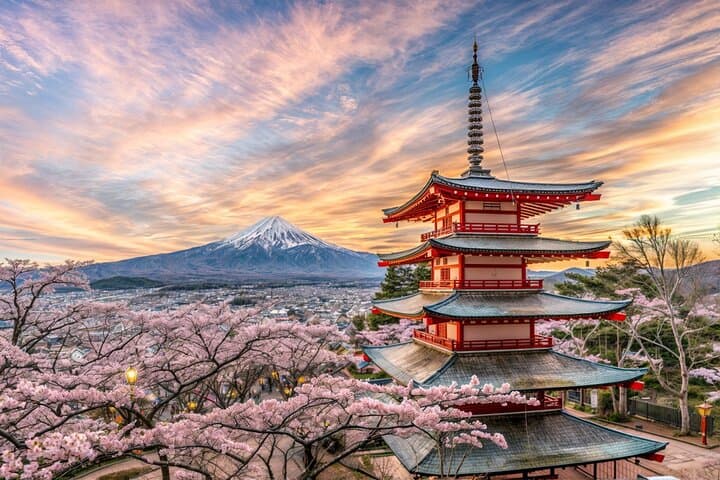
Stepping out of a Tokyo hotel into a private vehicle, the city’s pulse eases as the road points west toward Mount Fuji. On clear mornings the mountain dominates the horizon like a watchful elder; in haze it teases with partial outlines. Over four days the tour alternates bright urban frames — Shibuya’s crossing, Asakusa’s thunder gate — with volcanic ridgelines, cedar-shaded shrines and sheltered coastal temples.
Verified experiences and guided adventures in the surrounding area.
Operated by Milkyway Tours · Tokyo, Tokyo
Stepping out of a Tokyo hotel into a private vehicle, the city’s pulse eases as the road points west toward Mount Fuji. On clear mornings the mountain dominates the horizon like a watchful elder; in haze it teases with partial outlines. Over four days the tour alternates bright urban frames — Shibuya’s crossing, Asakusa’s thunder gate — with volcanic ridgelines, cedar-shaded shrines and sheltered coastal temples.
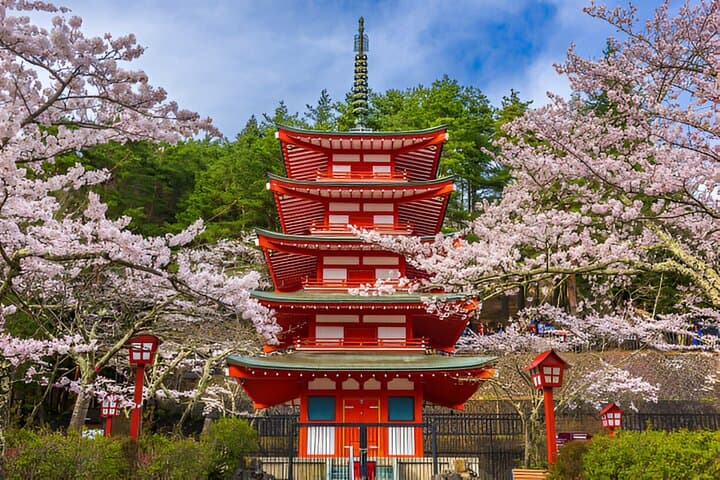
These places carry layered histories: Kamakura’s Great Buddha and samurai-era temples recall a 12th–14th century political shift; Nikko Toshogu’s lacquered carvings celebrate Tokugawa power and funerary ritual. Geologically, Mount Fuji and Lake Chuzenji are born of explosive volcanic events that shaped Hakone’s sulfur vents and the deep basins visitors cross by ropeway or boat. Local culture threads through tea houses, shrine etiquette, and the slow, deliberate art of onsen bathing.
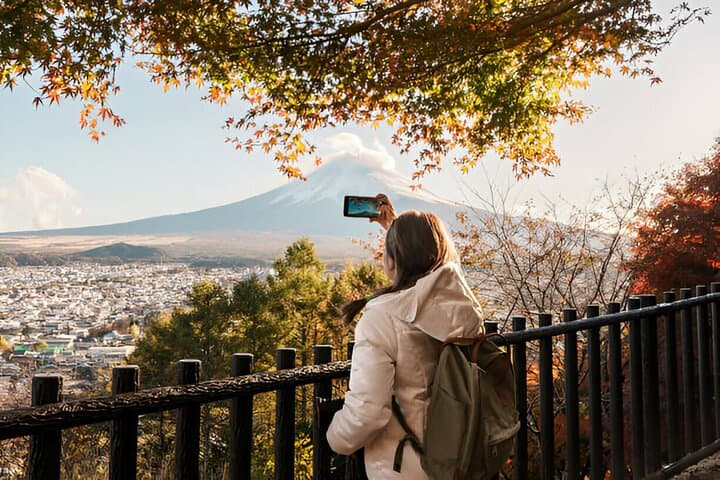
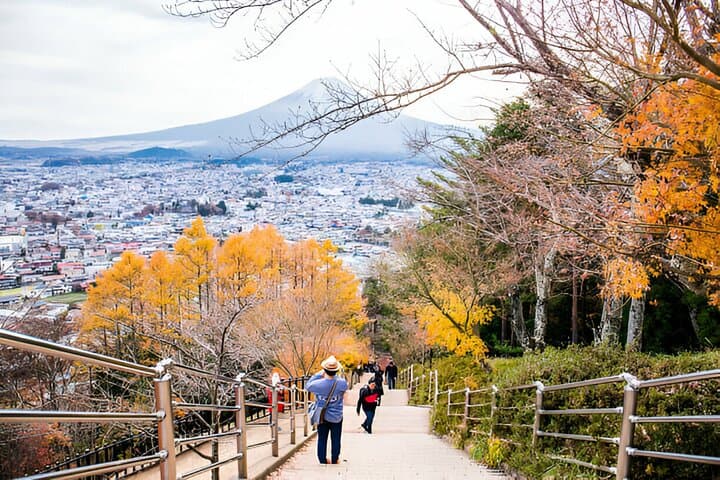
Practical guidance: expect long but flexible days—hosts typically offer ten-hour windows daily—so prioritize morning views for Fuji and late afternoon for Nikko’s light. Wear supportive walking shoes; many sites involve stairs, gravel paths, and temple grounds. Bring a compact rain layer—mountain weather shifts quickly—and a portable charger; photos add up. Respect temple rules (remove hats, speak softly) and allow time for narrow lanes and public-transport transfers.
For first-time visitors this private itinerary packs major highlights into four controlled days: it’s efficient travel with room for pacing, photographic stops, and local flavor, offering a clear, grounded way to move from Tokyo’s streets to Japan’s high-mountain shrines.
easy.
4 days (approx. 10 hours/day).
Suitable for travelers in normal to good health who can handle multiple hours of walking and stairs each day
Yes — the tour includes a private driver; pickup point is confirmed at booking and can be customized within Tokyo.
Admissions vary by site; this tour description notes admissions as 'not applicable' for many stops—confirm specifics with the operator for paid attractions.
The itinerary is described as physically easy, but many temples and viewpoints have steps; notify the operator about mobility needs to adjust the plan.
The tour is private and customizable within the daily time window—discuss priorities like longer Hakone or Nikko time with your driver.
Kamakura served as Japan’s samurai political center in the 12th–14th centuries, while Nikko Toshogu memorializes the Tokugawa shogunate with elaborate 17th-century architecture.
High visitor numbers in Nikko and Hakone have prompted trail maintenance and controlled viewing platforms—stay on paths, pack out waste, and follow onsen hygiene rules to minimize impact.
Milkyway Tours operates guided outdoor trips and adventures with an emphasis on safety, stewardship, and memorable experiences.
Stepping out of a Tokyo hotel into a private vehicle, the city’s pulse eases as the road points west toward Mount Fuji. On clear mornings the mountain dominates the horizon like a watchful elder; in haze it teases with partial outlines. Over four days the tour alternates bright urban frames — Shibuya’s crossing, Asakusa’s thunder gate — with volcanic ridgelines, cedar-shaded shrines and sheltered coastal temples.
Stepping out of a Tokyo hotel into a private vehicle, the city’s pulse eases as the road points west toward Mount Fuji. On clear mornings the mountain dominates the horizon like a watchful elder; in haze it teases with partial outlines. Over four days the tour alternates bright urban frames — Shibuya’s crossing, Asakusa’s thunder gate — with volcanic ridgelines, cedar-shaded shrines and sheltered coastal temples.
These places carry layered histories: Kamakura’s Great Buddha and samurai-era temples recall a 12th–14th century political shift; Nikko Toshogu’s lacquered carvings celebrate Tokugawa power and funerary ritual. Geologically, Mount Fuji and Lake Chuzenji are born of explosive volcanic events that shaped Hakone’s sulfur vents and the deep basins visitors cross by ropeway or boat. Local culture threads through tea houses, shrine etiquette, and the slow, deliberate art of onsen bathing.
Practical guidance: expect long but flexible days—hosts typically offer ten-hour windows daily—so prioritize morning views for Fuji and late afternoon for Nikko’s light. Wear supportive walking shoes; many sites involve stairs, gravel paths, and temple grounds. Bring a compact rain layer—mountain weather shifts quickly—and a portable charger; photos add up. Respect temple rules (remove hats, speak softly) and allow time for narrow lanes and public-transport transfers.
For first-time visitors this private itinerary packs major highlights into four controlled days: it’s efficient travel with room for pacing, photographic stops, and local flavor, offering a clear, grounded way to move from Tokyo’s streets to Japan’s high-mountain shrines.