THE ADVENTURE COLLECTIVE® · Independent discovery and booking for outdoor travel

A private four‑day circuit through Angkor’s most compelling temples and Phnom Kulen; early starts, shaded stops and local village visits make this an immersive, flexible way to explore Cambodia’s ancient capital.
A private four‑day circuit through Angkor’s most compelling temples and Phnom Kulen; early starts, shaded stops and local village visits make this an immersive, flexible way to explore Cambodia’s ancient capital.
You arrive before dawn, engine idling as the driver threads the humid pre‑sunlight toward Angkor’s outer gates. Mist lifts off rice paddies and the first shards of sandstone glow; the stones seem to breathe under the slow Cambodian light.
Verified experiences and guided adventures in the surrounding area.
Operated by Angkor Wat Private Day Tours · Siem Reap, Siem Reap Province
You arrive before dawn, engine idling as the driver threads the humid pre‑sunlight toward Angkor’s outer gates. Mist lifts off rice paddies and the first shards of sandstone glow; the stones seem to breathe under the slow Cambodian light.
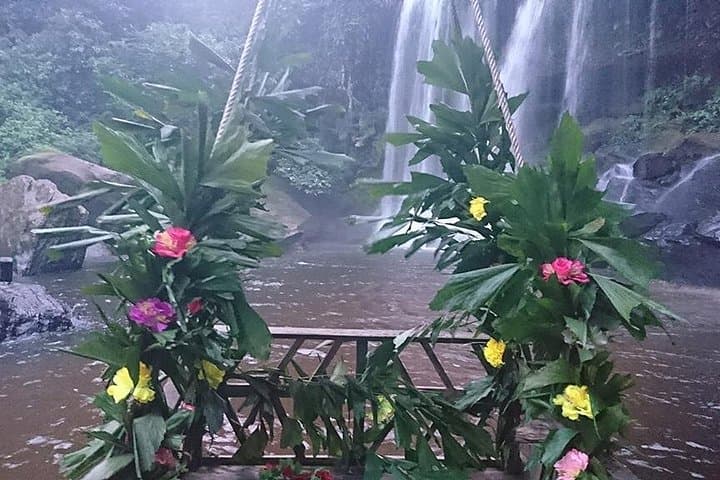
Over four days this private tour moves from the lowland waterways of Tonle Sap to the high ridge of Phnom Kulen, tracing the rise of the Khmer Empire. Phnom Kulen’s rocky escarpments were the stage for Jayavarman II’s 802 AD declaration of kingship; downstream, Angkor’s moats and laterite foundations speak to deliberate hydraulic engineering and a landscape reshaped by people and monsoon. Ta Prohm wears roots like armor, while Banteay Srei’s pink sandstone bears the finest Khmer carving you’ll see.
Cultural notes: guides will explain local rituals at shrine sites and the village crafts around Banteay Srei (palm sugar production, traditional weaving). Geology is visible—quartz-rich sandstones, laterite cores and the lake-fed plains that fed Angkor’s granaries.
Practical guidance: plan early starts to avoid heat and crowds; carry a refillable water bottle, sun protection and modest clothing (shoulders and knees covered). Roads between sites are short but steps and uneven stone are common—comfortable, grippy shoes matter. Expect guided walking from 3–6 hours each day with vehicle transfers; regular stops for shade, water and local food are part of the itinerary. Reserve time at Kampong Phluk for a boat glimpse of lake life and at Angkor Wat for sunrise—both reward patience and a quiet ear for temple stones and distant birdsong.
moderate.
4 days.
Suitable for travelers in average fitness who can handle 3–6 hours of walking per day with some uneven steps and short climbs.
Yes—most itineraries require a 3‑day or 1‑day Angkor pass; the tour assumes a 3‑day pass is purchased in advance to cover the circuit.
Admissions are not included in the tour price; your guide will advise where to buy passes and suggest optimal times to enter busy sites.
Children can join but expect long days; travelers with significant mobility issues should note stairs and uneven surfaces—some sites are not wheelchair accessible.
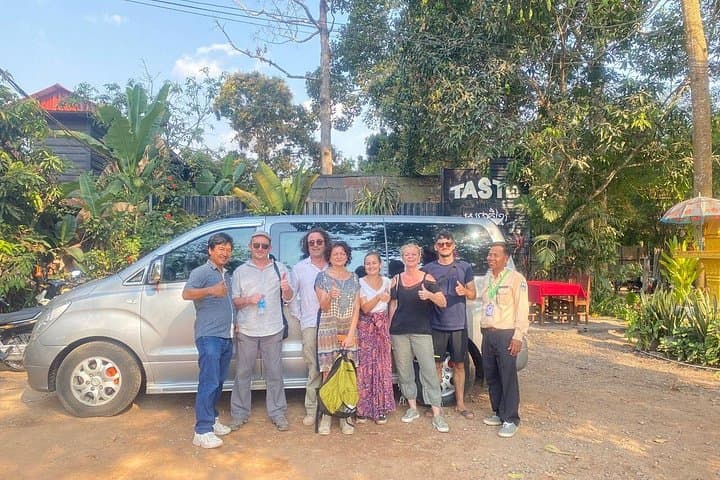
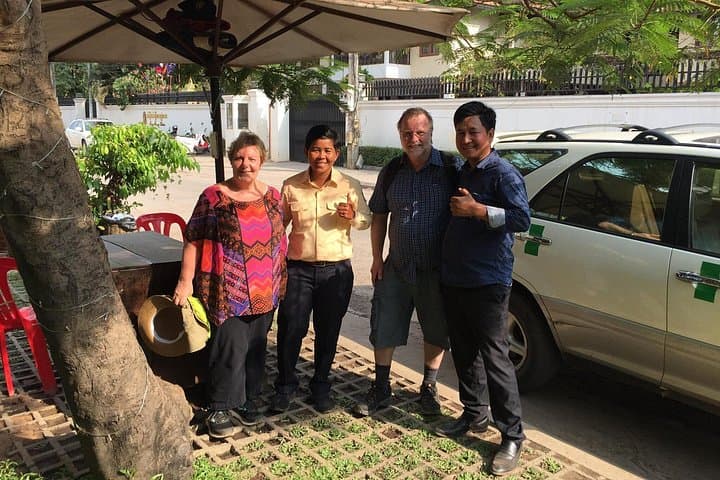
A fully licensed English‑speaking guide and private vehicle (mini Lexus or minivan) are provided, along with bottled water and cold handkerchiefs.
Phnom Kulen is celebrated as the cradle of the Angkorian kingdom where Jayavarman II declared divine kingship in 802 AD; Angkor’s temples are the visible core of a complex hydraulic and political system developed over centuries.
Visitor pressure threatens delicate carvings and soils; follow guide advice, avoid touching reliefs, use refillable water containers and support local community initiatives when possible.
Angkor Wat Private Day Tours operates guided outdoor trips and adventures with an emphasis on safety, stewardship, and memorable experiences.

You arrive before dawn, engine idling as the driver threads the humid pre‑sunlight toward Angkor’s outer gates. Mist lifts off rice paddies and the first shards of sandstone glow; the stones seem to breathe under the slow Cambodian light.
You arrive before dawn, engine idling as the driver threads the humid pre‑sunlight toward Angkor’s outer gates. Mist lifts off rice paddies and the first shards of sandstone glow; the stones seem to breathe under the slow Cambodian light.
Over four days this private tour moves from the lowland waterways of Tonle Sap to the high ridge of Phnom Kulen, tracing the rise of the Khmer Empire. Phnom Kulen’s rocky escarpments were the stage for Jayavarman II’s 802 AD declaration of kingship; downstream, Angkor’s moats and laterite foundations speak to deliberate hydraulic engineering and a landscape reshaped by people and monsoon. Ta Prohm wears roots like armor, while Banteay Srei’s pink sandstone bears the finest Khmer carving you’ll see.
Cultural notes: guides will explain local rituals at shrine sites and the village crafts around Banteay Srei (palm sugar production, traditional weaving). Geology is visible—quartz-rich sandstones, laterite cores and the lake-fed plains that fed Angkor’s granaries.
Practical guidance: plan early starts to avoid heat and crowds; carry a refillable water bottle, sun protection and modest clothing (shoulders and knees covered). Roads between sites are short but steps and uneven stone are common—comfortable, grippy shoes matter. Expect guided walking from 3–6 hours each day with vehicle transfers; regular stops for shade, water and local food are part of the itinerary. Reserve time at Kampong Phluk for a boat glimpse of lake life and at Angkor Wat for sunrise—both reward patience and a quiet ear for temple stones and distant birdsong.