THE ADVENTURE COLLECTIVE® · Independent discovery and booking for outdoor travel

Four days linking Beijing with Xi'an and Dunhuang, this private Silk Road circuit combines UNESCO sites and desert geology. From Terracotta Warriors to Mogao’s painted caves and the screaming sands of Yadan, the tour balances cultural depth with manageable outdoor exploration.
Four days linking Beijing with Xi'an and Dunhuang, this private Silk Road circuit combines UNESCO sites and desert geology. From Terracotta Warriors to Mogao’s painted caves and the screaming sands of Yadan, the tour balances cultural depth with manageable outdoor exploration.
At first light, the echoing sand at Singing Dunes seems to sing a low, human note as wind threads through the ridges and casts the Crescent Moon Pool into jewel-toned relief. This private four‑day route stitches modern airports to millennia-old stops: Terracotta Warriors galleries, Xi'an's ramparts and Muslim Quarter, the painted caverns of Mogao, and the Yumen Pass and Yadan stone forests that map the Gobi's long work.
Verified experiences and guided adventures in the surrounding area.
Operated by Unique Beijing Tours · Dunhuang, Gansu
At first light, the echoing sand at Singing Dunes seems to sing a low, human note as wind threads through the ridges and casts the Crescent Moon Pool into jewel-toned relief. This private four‑day route stitches modern airports to millennia-old stops: Terracotta Warriors galleries, Xi'an's ramparts and Muslim Quarter, the painted caverns of Mogao, and the Yumen Pass and Yadan stone forests that map the Gobi's long work.
Historically this corridor anchored the Silk Road's exchanges: merchants, ideas and religions funneled through these passes for two thousand years. Geology shapes the story — yardang formations carved by persistent winds, alluvial fans framing the oasis springs — while the frescoed Mogao caves record a millennium of Buddhist art beginning in 366 CE. Xi'an's terracotta funerary army dates to Qin dynasty statecraft; the Muslim Quarter remains a living market culture where cumin and lamb define evenings.
Expect a mix of easy walking, short climbs, and vehicle transfers; battery buses serve several reserves and sites. Practical notes: flights between cities are included, and guides escort most entries; photography rules apply inside Mogao. The desert demands sun protection, layered clothing for morning chills, and reliable hydration. Plan pockets of free time at Dunhuang's night market and at viewpoint edges for sunset over Yadan Park. For efficient pacing, carry copies of travel documents, keep local currency for markets, and let your guide know if you want extended time at sunset — some stops offer optional longer visits for photographic light.
easy.
4 days.
Light walking ability required; suitable for travelers in normal health able to climb short stairs and walk uneven surfaces.
Yes—economy class flights between Beijing, Xi'an and Dunhuang are included in the tour price as listed.
The itinerary notes the trip is suitable for all fitness levels; infants must sit on an adult’s lap and stroller access is possible for short transfers.
Photography is restricted inside many of the caves; the Mogao Digital Exhibition Center provides alternatives for photos and study.
Yes—there is an option to finish the trip in Dunhuang rather than returning to Beijing; inform the operator when booking.
Sites span a broad timeline: the Terracotta Army dates to Qin dynasty funerary practice, Mogao's murals began in 366 CE, and Yumen Pass served as a fortified gateway along the Silk Road for centuries.
Many sites limit visitor movement to protect fragile murals and formations; follow guide instructions, avoid touching artwork, and use marked paths in Yadan and dune areas.
Unique Beijing Tours operates guided outdoor trips and adventures with an emphasis on safety, stewardship, and memorable experiences.
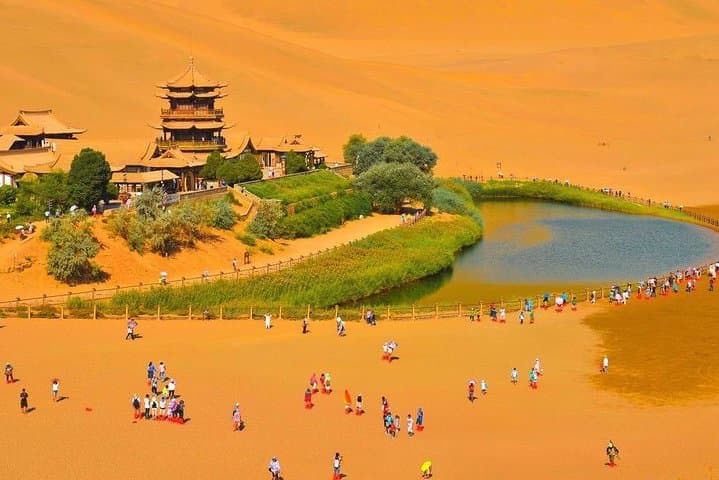
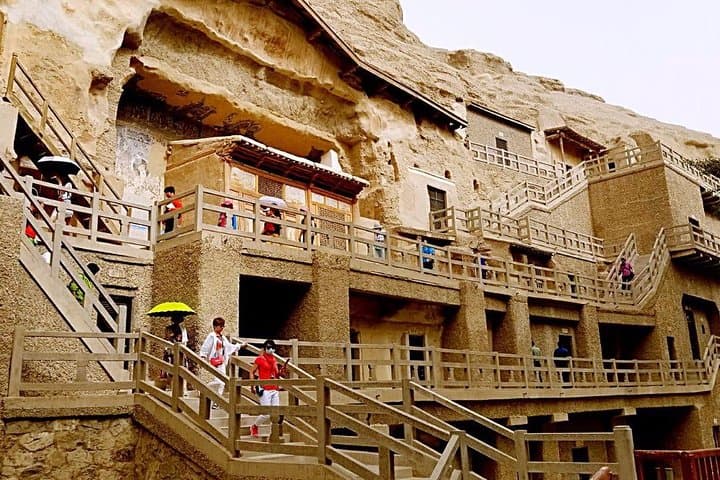
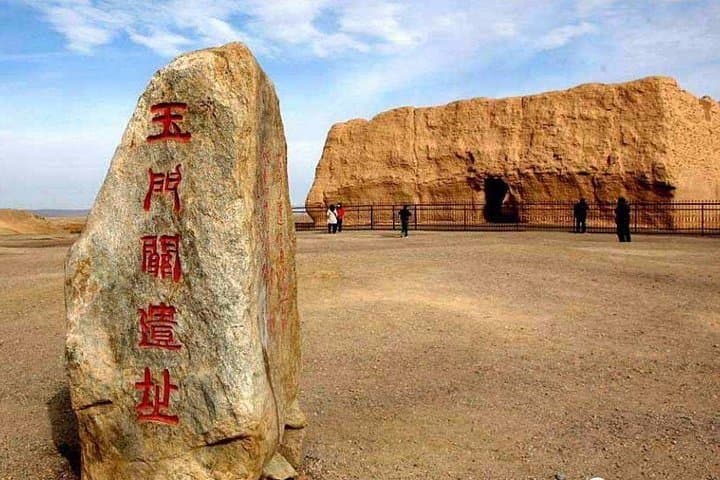
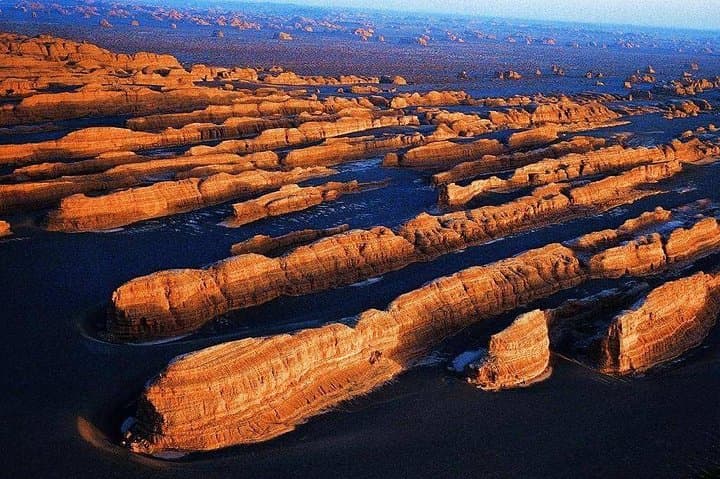
At first light, the echoing sand at Singing Dunes seems to sing a low, human note as wind threads through the ridges and casts the Crescent Moon Pool into jewel-toned relief. This private four‑day route stitches modern airports to millennia-old stops: Terracotta Warriors galleries, Xi'an's ramparts and Muslim Quarter, the painted caverns of Mogao, and the Yumen Pass and Yadan stone forests that map the Gobi's long work.
At first light, the echoing sand at Singing Dunes seems to sing a low, human note as wind threads through the ridges and casts the Crescent Moon Pool into jewel-toned relief. This private four‑day route stitches modern airports to millennia-old stops: Terracotta Warriors galleries, Xi'an's ramparts and Muslim Quarter, the painted caverns of Mogao, and the Yumen Pass and Yadan stone forests that map the Gobi's long work.
Historically this corridor anchored the Silk Road's exchanges: merchants, ideas and religions funneled through these passes for two thousand years. Geology shapes the story — yardang formations carved by persistent winds, alluvial fans framing the oasis springs — while the frescoed Mogao caves record a millennium of Buddhist art beginning in 366 CE. Xi'an's terracotta funerary army dates to Qin dynasty statecraft; the Muslim Quarter remains a living market culture where cumin and lamb define evenings.
Expect a mix of easy walking, short climbs, and vehicle transfers; battery buses serve several reserves and sites. Practical notes: flights between cities are included, and guides escort most entries; photography rules apply inside Mogao. The desert demands sun protection, layered clothing for morning chills, and reliable hydration. Plan pockets of free time at Dunhuang's night market and at viewpoint edges for sunset over Yadan Park. For efficient pacing, carry copies of travel documents, keep local currency for markets, and let your guide know if you want extended time at sunset — some stops offer optional longer visits for photographic light.