THE ADVENTURE COLLECTIVE® · Independent discovery and booking for outdoor travel

A compact, private four-day safari that pairs central Serengeti game drives with a full-day descent into Ngorongoro Crater. Expect long drives, early starts, and strong chances for big cats and dense crater wildlife.
A compact, private four-day safari that pairs central Serengeti game drives with a full-day descent into Ngorongoro Crater. Expect long drives, early starts, and strong chances for big cats and dense crater wildlife.
You step out before dawn and the flat light in the Serengeti pushes the grass into low relief, the horizon a hard line where a lone acacia argues with the sky.
Verified experiences and guided adventures in the surrounding area.
Operated by Pazuri Africa · Arusha, Arusha Region
You step out before dawn and the flat light in the Serengeti pushes the grass into low relief, the horizon a hard line where a lone acacia argues with the sky.
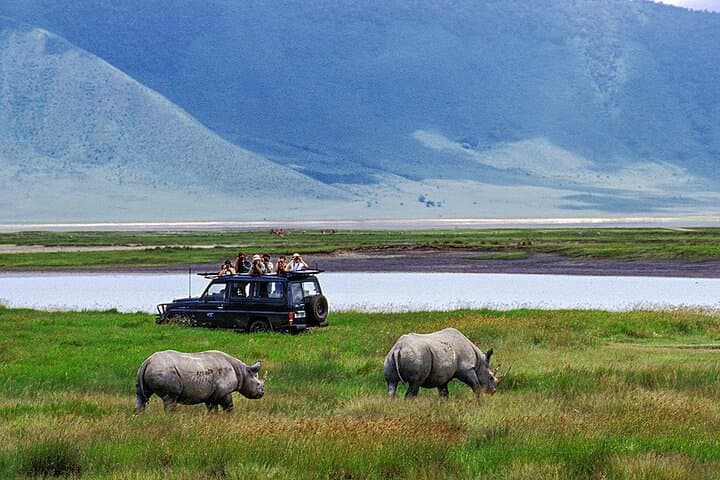
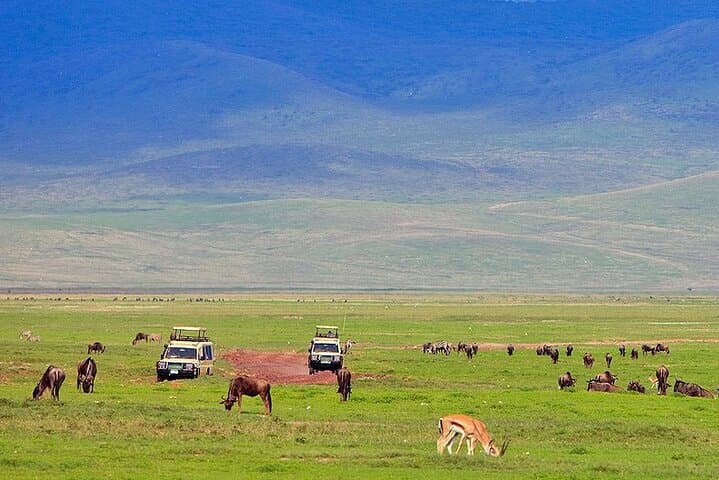
This four-day private safari moves between two of Tanzania’s most storied landscapes: the open plains of the Serengeti, where kopjes puncture the grass and predators test the patience of herds, and the green bowl of Ngorongoro Crater, a geological amphitheater formed when a massive volcano collapsed and now holds a compressed, wildlife-rich ecosystem.
Cultural traces thread through both places: Maasai herders still graze livestock along crater rims, and colonial-era conservation policy shaped park boundaries and tourism patterns. Geologically, the crater’s steep walls offer a dramatic elevation change (over 600–800 m from rim to floor) while the Serengeti’s gently rolling plains sit around 1,100–1,500 m.
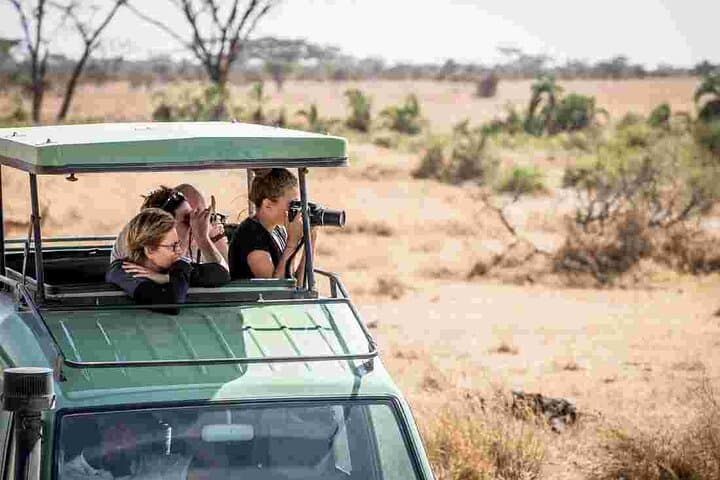
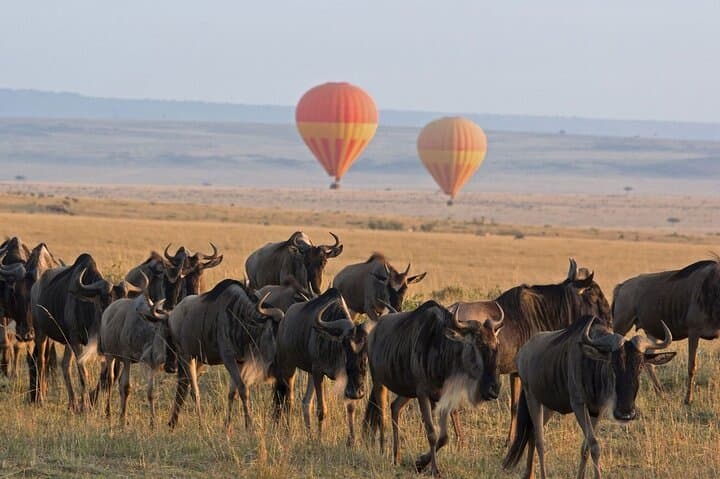
Practically, expect long transfers—Arusha to central Serengeti is roughly a six-hour drive with stops—and multiple game drives timed for early morning and late afternoon when predators are most active. Park fees and most meals are included; accommodations are mid-range tented lodges and campsites. Wildlife sightings vary by season: the wildebeest migration passes through parts of the Serengeti at predictable times, and Ngorongoro is one of the more reliable places to search for black rhino and dense concentrations of plains game.
Bring layered clothing for cold mornings, good binoculars, and patience—animals will move like weather, and the landscape will reward those who wait.
easy.
4 days.
Suitable for travelers in average physical condition; most time is spent in a safari vehicle with short walks at lodges and viewpoints.
Yes—this tour’s inclusions specify that all park fees are covered in the price.
Migration timing shifts annually, but broadly the northern Serengeti sees large concentrations June–July and the southern plains October–December; guides will follow movements for sightings when possible.
The itinerary is vehicle-based and listed as suitable for all fitness levels; expect bumpy roads and brief walks, but no sustained hiking.
Special requirements are collected at booking—notify the operator in advance to arrange dietary preferences or accessible transportation where possible.
The Ngorongoro Crater formed when a large volcano collapsed millennia ago; Maasai pastoralists have lived in parts of the surrounding conservation area for generations, shaping local land use.
Ngorongoro is both a conservation area and a working landscape with Maasai residents—tourism supports community programs but also requires careful management to limit erosion, waste, and wildlife disturbance.
Pazuri Africa operates guided outdoor trips and adventures with an emphasis on safety, stewardship, and memorable experiences.
You step out before dawn and the flat light in the Serengeti pushes the grass into low relief, the horizon a hard line where a lone acacia argues with the sky.
You step out before dawn and the flat light in the Serengeti pushes the grass into low relief, the horizon a hard line where a lone acacia argues with the sky.
This four-day private safari moves between two of Tanzania’s most storied landscapes: the open plains of the Serengeti, where kopjes puncture the grass and predators test the patience of herds, and the green bowl of Ngorongoro Crater, a geological amphitheater formed when a massive volcano collapsed and now holds a compressed, wildlife-rich ecosystem.
Cultural traces thread through both places: Maasai herders still graze livestock along crater rims, and colonial-era conservation policy shaped park boundaries and tourism patterns. Geologically, the crater’s steep walls offer a dramatic elevation change (over 600–800 m from rim to floor) while the Serengeti’s gently rolling plains sit around 1,100–1,500 m.
Practically, expect long transfers—Arusha to central Serengeti is roughly a six-hour drive with stops—and multiple game drives timed for early morning and late afternoon when predators are most active. Park fees and most meals are included; accommodations are mid-range tented lodges and campsites. Wildlife sightings vary by season: the wildebeest migration passes through parts of the Serengeti at predictable times, and Ngorongoro is one of the more reliable places to search for black rhino and dense concentrations of plains game.
Bring layered clothing for cold mornings, good binoculars, and patience—animals will move like weather, and the landscape will reward those who wait.