THE ADVENTURE COLLECTIVE® · Independent discovery and booking for outdoor travel

Four days from Casablanca to the Sahara, this private tour blends long scenic drives with camel rides, dune sunrises and visits to kasbahs, gorges and fossil towns. Expect dramatic terrain changes, cultural encounters with Berber communities, and desert nights under canvas.
Four days from Casablanca to the Sahara, this private tour blends long scenic drives with camel rides, dune sunrises and visits to kasbahs, gorges and fossil towns. Expect dramatic terrain changes, cultural encounters with Berber communities, and desert nights under canvas.
You step out of the air-conditioned van as the last road unspools and the world goes quiet—only wind and the soft creak of camel saddles. The dunes of Erg Chebbi rise like a living, moving landscape; sunlight tattoos the sand and the guide points to a ridge where you’ll watch the sun slip behind copper waves.
Verified experiences and guided adventures in the surrounding area.
Operated by Excu Marrakech · Merzouga, Drâa-Tafilalet
You step out of the air-conditioned van as the last road unspools and the world goes quiet—only wind and the soft creak of camel saddles. The dunes of Erg Chebbi rise like a living, moving landscape; sunlight tattoos the sand and the guide points to a ridge where you’ll watch the sun slip behind copper waves.
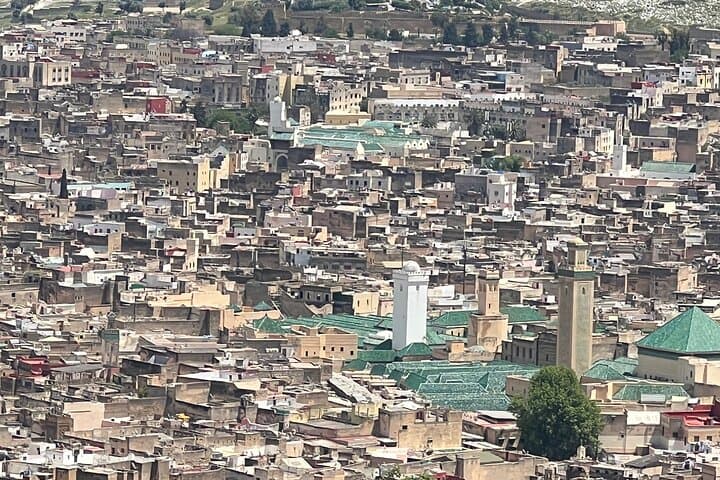
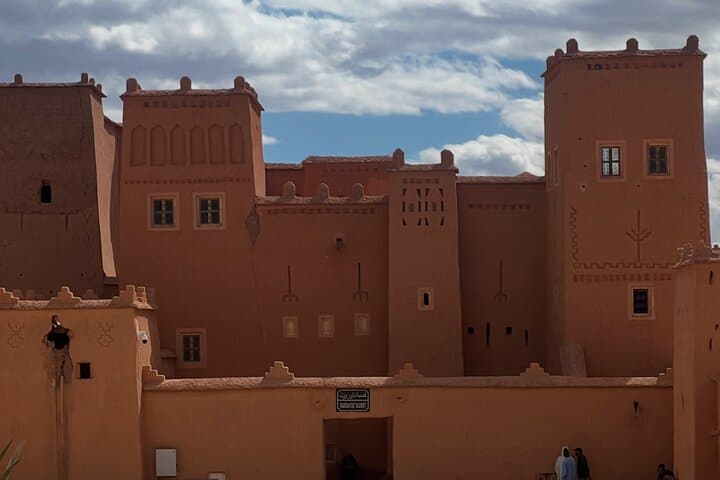
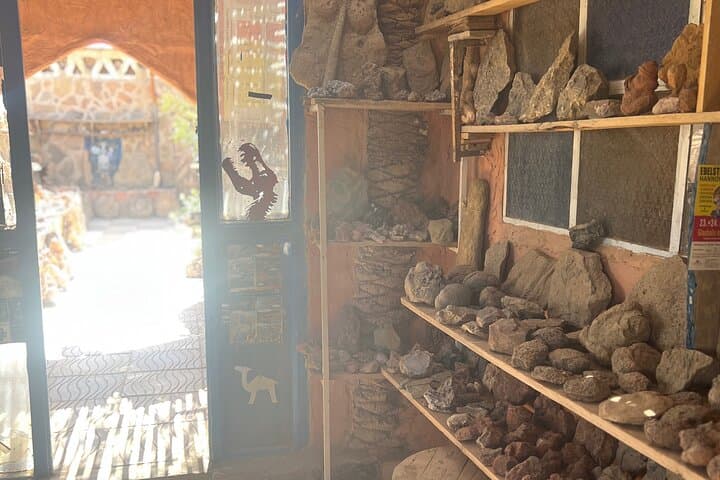
This four-day private loop threads Morocco’s varied geography and history: Atlantic Casablanca and Rabat’s Hassan Tower, the medina lanes of Fes, cedar forests of the Middle Atlas where Barbary macaques chatter, and the ochre kasbahs of Aït Ben Haddou. Geologically the route shifts from limestone gorges—Todra and Dades with cliffs up to 400 m—to wind-sculpted sand seas whose tallest dunes reach roughly 100–150 m. Culturally, you’ll meet Berber hospitality in riads and a desert camp, and may visit fossil workshops in Erfoud that reveal the region’s ancient marine past.
Practical guide: expect long driving days between cities; the Tizi n’Tichka pass reaches about 2,260 m and can be cool. Desert nights get cold—bring layers—and daytime heat is intense; sun protection and 3–4 liters of water per person per day are prudent. Camel rides to private luxury tents are short and gentle, and sunrise on the dunes is the highlight for photographers. Allow extra time for stops at kasbahs, rose cooperatives in the Dadès valley, and brief hikes in the gorges. Travel with sensible footwear, a headscarf for sand, and a small daypack—the landscape will reward patience and steady pacing.
moderate.
4 days.
Suitable for travelers in average fitness—short camel treks and easy walks, but expect long drives and some uneven sand and rocky trails.
Camel rides are short and suitable for most people; dune walks are optional and can be tailored—expect soft sand that increases effort but not technical difficulty.
Typical packages include private or semi-private Berber-style tents with bedding; luxury tents may include en-suite facilities—check the booking details for exact amenities.
Visa requirements depend on your nationality—check Moroccan consulate guidance. Routine vaccinations are usually sufficient; consult travel health advice for current recommendations.
Yes for most families and older travelers if they can tolerate long drives and short camel rides; those with serious back or heart conditions should avoid camel riding and consult a physician.
The route traces trans-Saharan and caravan histories; Aït Ben Haddou and kasbahs served as fortified trading posts between the Atlas and the desert.
Travelers should avoid trampling dune vegetation and dispose of waste properly; many camps and cooperatives support local economies, so favor operators who use local staff and sustainable water practices.
Excu Marrakech operates guided outdoor trips and adventures with an emphasis on safety, stewardship, and memorable experiences.
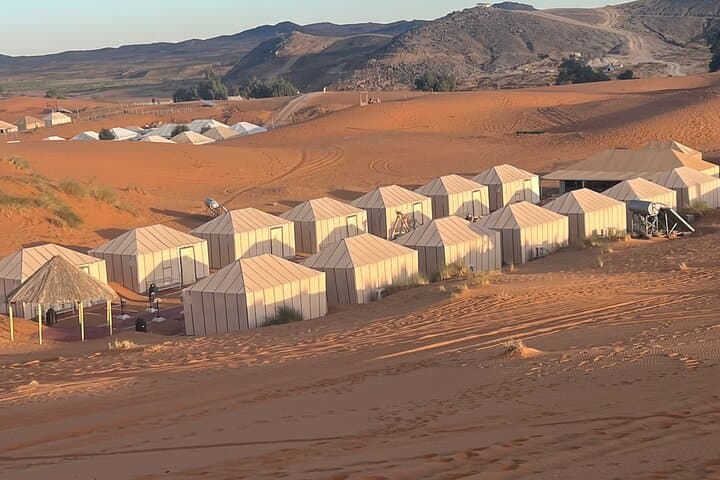
You step out of the air-conditioned van as the last road unspools and the world goes quiet—only wind and the soft creak of camel saddles. The dunes of Erg Chebbi rise like a living, moving landscape; sunlight tattoos the sand and the guide points to a ridge where you’ll watch the sun slip behind copper waves.
You step out of the air-conditioned van as the last road unspools and the world goes quiet—only wind and the soft creak of camel saddles. The dunes of Erg Chebbi rise like a living, moving landscape; sunlight tattoos the sand and the guide points to a ridge where you’ll watch the sun slip behind copper waves.
This four-day private loop threads Morocco’s varied geography and history: Atlantic Casablanca and Rabat’s Hassan Tower, the medina lanes of Fes, cedar forests of the Middle Atlas where Barbary macaques chatter, and the ochre kasbahs of Aït Ben Haddou. Geologically the route shifts from limestone gorges—Todra and Dades with cliffs up to 400 m—to wind-sculpted sand seas whose tallest dunes reach roughly 100–150 m. Culturally, you’ll meet Berber hospitality in riads and a desert camp, and may visit fossil workshops in Erfoud that reveal the region’s ancient marine past.
Practical guide: expect long driving days between cities; the Tizi n’Tichka pass reaches about 2,260 m and can be cool. Desert nights get cold—bring layers—and daytime heat is intense; sun protection and 3–4 liters of water per person per day are prudent. Camel rides to private luxury tents are short and gentle, and sunrise on the dunes is the highlight for photographers. Allow extra time for stops at kasbahs, rose cooperatives in the Dadès valley, and brief hikes in the gorges. Travel with sensible footwear, a headscarf for sand, and a small daypack—the landscape will reward patience and steady pacing.