THE ADVENTURE COLLECTIVE® · Independent discovery and booking for outdoor travel

A private four-day safari through the Maasai Mara combines early-morning game drives with a Maasai cultural visit and nights in tented camp. Expect close wildlife encounters, dusty 4x4 travel, and strategic timing around the great migration.
A private four-day safari through the Maasai Mara combines early-morning game drives with a Maasai cultural visit and nights in tented camp. Expect close wildlife encounters, dusty 4x4 travel, and strategic timing around the great migration.
Dawn pulls a cool, thin light across the Mara’s tall grasses as a fleet of 4x4 Land Cruisers hums to life. Dust rises behind the convoy; hippos grumble in the river and a lone giraffe silhouettes against the escarpment. This is the kind of place where mornings set the pace and the land answers with close, unhurried wildlife encounters.
Verified experiences and guided adventures in the surrounding area.
Operated by Bush Bound Africa Safaris · Maasai Mara, Narok County
Dawn pulls a cool, thin light across the Mara’s tall grasses as a fleet of 4x4 Land Cruisers hums to life. Dust rises behind the convoy; hippos grumble in the river and a lone giraffe silhouettes against the escarpment. This is the kind of place where mornings set the pace and the land answers with close, unhurried wildlife encounters.
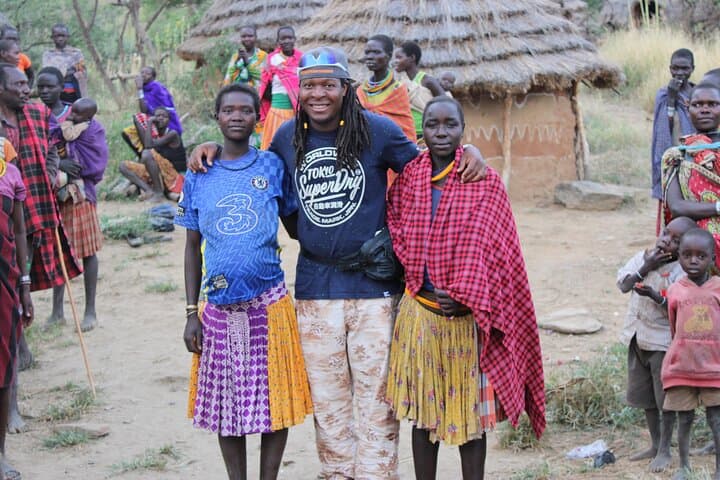
The Maasai Mara occupies a carved corner of the Great Rift Valley at roughly 1,500–2,100 m elevation, where rolling plains give way to riverine woodland and the steep Olololo escarpment. The reserve sits on Maasai ancestral land—herding communities whose culture is visible in village visits and ceremonial dance—while the landscape bears geological scars of rifting that shape seasonal river paths and migration corridors.
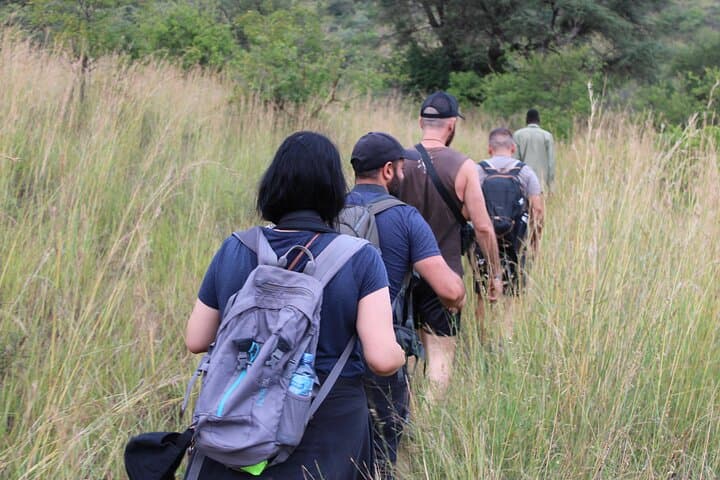
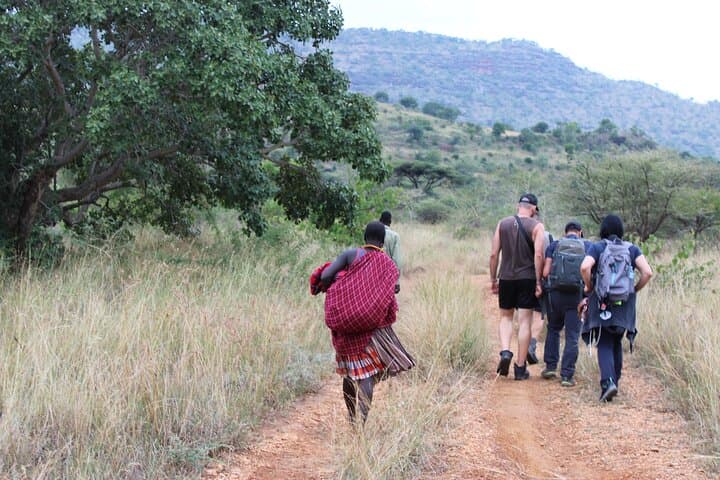
Travelers can expect full-day game drives in open-roof 4x4s, early starts to catch predators on the move, and nights in tented camps that trade city lights for stars. The itinerary typically pairs cultural stops—Maasai village visits—with repeated passes through prime habitat where you’ll seek lions, elephant, and the legendary wildebeest migration.
Practical notes: travel is dusty and often bumpy, so pack sun protection, binoculars, and neutral clothing; mornings and nights are cool, so layers are essential. Guides handle driving and navigation, but guests should be ready for long hours in the vehicle, basic camp facilities, and the etiquette of keeping distance from wildlife and respecting Maasai customs. Planning around the July–October migration and booking flights or transfers from Nairobi in advance will maximize sightings and comfort.
moderate.
4 days.
Moderate fitness—able to sit for long game drives, walk short distances at uneven terrain, and handle early starts
This tour lists fees and taxes included in the itinerary, but confirm with the operator whether park entry and conservation levies are covered at booking.
The peak Mara river crossings typically occur July–October; however, migration timing varies year to year—consult guides for current local movement.
Most operators arrange private transfers by road (5–6 hours) or scheduled light-aircraft flights into Mara airstrips; choose based on time, budget, and comfort.
Kenya requires a valid passport and visa for many nationalities; routine travel vaccinations and malaria prophylaxis are recommended—check official health guidance and consult your travel clinic.
The Maasai Mara is named for the Maasai people and adjoins Serengeti ecosystems across the Tanzanian border; the reserve was established to protect migratory routes and wildlife-rich plains.
Community conservancies and park fees help fund anti-poaching patrols and Maasai livelihoods; stay on designated roads and follow guide instructions to minimize disturbance.
Bush Bound Africa Safaris operates guided outdoor trips and adventures with an emphasis on safety, stewardship, and memorable experiences.
Dawn pulls a cool, thin light across the Mara’s tall grasses as a fleet of 4x4 Land Cruisers hums to life. Dust rises behind the convoy; hippos grumble in the river and a lone giraffe silhouettes against the escarpment. This is the kind of place where mornings set the pace and the land answers with close, unhurried wildlife encounters.
Dawn pulls a cool, thin light across the Mara’s tall grasses as a fleet of 4x4 Land Cruisers hums to life. Dust rises behind the convoy; hippos grumble in the river and a lone giraffe silhouettes against the escarpment. This is the kind of place where mornings set the pace and the land answers with close, unhurried wildlife encounters.
The Maasai Mara occupies a carved corner of the Great Rift Valley at roughly 1,500–2,100 m elevation, where rolling plains give way to riverine woodland and the steep Olololo escarpment. The reserve sits on Maasai ancestral land—herding communities whose culture is visible in village visits and ceremonial dance—while the landscape bears geological scars of rifting that shape seasonal river paths and migration corridors.
Travelers can expect full-day game drives in open-roof 4x4s, early starts to catch predators on the move, and nights in tented camps that trade city lights for stars. The itinerary typically pairs cultural stops—Maasai village visits—with repeated passes through prime habitat where you’ll seek lions, elephant, and the legendary wildebeest migration.
Practical notes: travel is dusty and often bumpy, so pack sun protection, binoculars, and neutral clothing; mornings and nights are cool, so layers are essential. Guides handle driving and navigation, but guests should be ready for long hours in the vehicle, basic camp facilities, and the etiquette of keeping distance from wildlife and respecting Maasai customs. Planning around the July–October migration and booking flights or transfers from Nairobi in advance will maximize sightings and comfort.