THE ADVENTURE COLLECTIVE® · Independent discovery and booking for outdoor travel

Cross the High Atlas by Tizi n’Tichka, sleep in a nomad tent beneath the stars, and climb the orange waves of Erg Chebbi. This private four-day loop blends kasbahs, gorges, camel treks and film-set scenery with practical logistics for first-time desert travelers.
Cross the High Atlas by Tizi n’Tichka, sleep in a nomad tent beneath the stars, and climb the orange waves of Erg Chebbi. This private four-day loop blends kasbahs, gorges, camel treks and film-set scenery with practical logistics for first-time desert travelers.
You leave Marrakech before dawn, the city’s ochre walls shrinking as the road climbs the High Atlas. Wind and sun trade places across the Tizi n’Tichka pass (about 2,260 m), and the landscape opens into valleys of palms, kasbahs, and sculpted red rock. By late afternoon you’re following a ribbon of sand toward Erg Chebbi, where dunes rise like living hills that dare you to climb them.
Verified experiences and guided adventures in the surrounding area.
Operated by Deep South Travel Marrakech · Merzouga, Drâa-Tafilalet
You leave Marrakech before dawn, the city’s ochre walls shrinking as the road climbs the High Atlas. Wind and sun trade places across the Tizi n’Tichka pass (about 2,260 m), and the landscape opens into valleys of palms, kasbahs, and sculpted red rock. By late afternoon you’re following a ribbon of sand toward Erg Chebbi, where dunes rise like living hills that dare you to climb them.
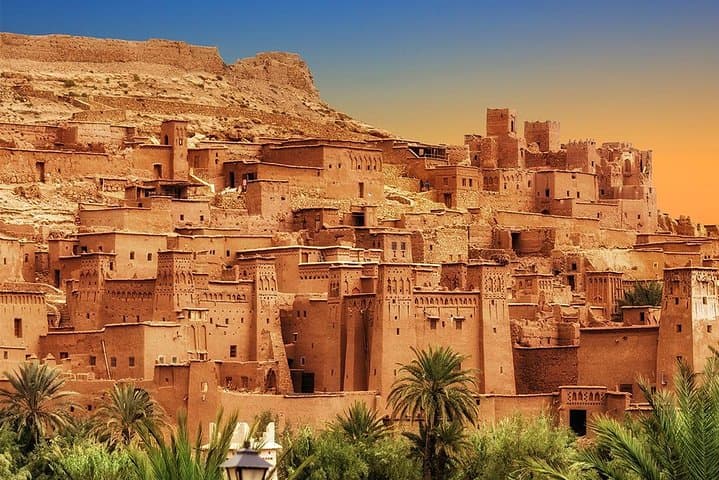
This route follows ancient caravan tracks and modern film roads. Ait Benhaddou — a UNESCO ksar of packed earth — was a stop on trans-Saharan trade and later a film set for Hollywood epics; Ouarzazate earned the nickname “Hollywood of Africa” for its studios and desert backdrops. Geologically, the High Atlas is young fold mountains; the Sahara’s Erg Chebbi dunes are wind-built, with sand accumulations up to roughly 150 meters high. Local culture is Berber and Saharan: kasbah architecture, palm groves irrigated by khettaras, and nomad camps where mint tea marks hospitality.
Practical note: expect long driving stretches (total driving can exceed 500 km round trip), short walks through gorges, a camel trek at dusk, and an overnight in a private desert tent with basic hot-water facilities. Hydrate proactively, wear sun-protective layers, and schedule dune climbs for sunrise or sunset when temperatures drop and light sharpens the sand’s contours. If you’re planning photography, bring spare batteries — remote places, few charging points. This tour blends road travel, light hiking, cultural stops, and overnight desert camping into a compact four-day desert loop.
moderate.
4 days.
Suitable for travelers in reasonable health able to handle long drives, short hikes (30–90 minutes) and camel rides.
Yes for families and older travelers with basic mobility; long drives and uneven surfaces mean you should plan rest and avoid strenuous dune climbs if mobility is limited.
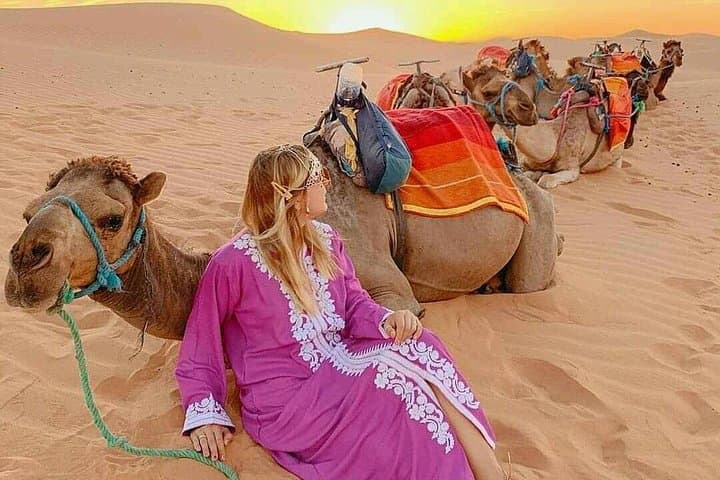
Camel rides are gentle and guided; dune walks vary by route — shorter walks (30–60 minutes) are common, while summit climbs are more taxing in loose sand.
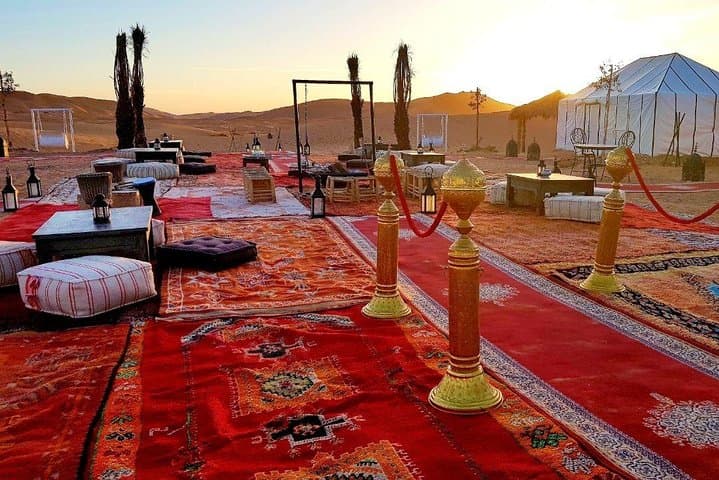
The itinerary includes private tents in the desert with hot-water and toilets, plus accommodations in kasbahs or hotels with private bathrooms on other nights.
Visa rules depend on nationality — many countries receive visa-free entry for short stays; check government guidance. Routine vaccinations are usually sufficient; consult a travel health clinic for personalized advice.
The route follows historic trans-Saharan lines; Ait Benhaddou and regional kasbahs reflect centuries of caravan trade and local earthen architecture later popularized by film crews.
Dune ecosystems and oases are fragile — stick to established paths, limit plastic waste, and support local guides to ensure sustainable tourism benefits communities.
Deep South Travel Marrakech operates guided outdoor trips and adventures with an emphasis on safety, stewardship, and memorable experiences.
You leave Marrakech before dawn, the city’s ochre walls shrinking as the road climbs the High Atlas. Wind and sun trade places across the Tizi n’Tichka pass (about 2,260 m), and the landscape opens into valleys of palms, kasbahs, and sculpted red rock. By late afternoon you’re following a ribbon of sand toward Erg Chebbi, where dunes rise like living hills that dare you to climb them.
You leave Marrakech before dawn, the city’s ochre walls shrinking as the road climbs the High Atlas. Wind and sun trade places across the Tizi n’Tichka pass (about 2,260 m), and the landscape opens into valleys of palms, kasbahs, and sculpted red rock. By late afternoon you’re following a ribbon of sand toward Erg Chebbi, where dunes rise like living hills that dare you to climb them.
This route follows ancient caravan tracks and modern film roads. Ait Benhaddou — a UNESCO ksar of packed earth — was a stop on trans-Saharan trade and later a film set for Hollywood epics; Ouarzazate earned the nickname “Hollywood of Africa” for its studios and desert backdrops. Geologically, the High Atlas is young fold mountains; the Sahara’s Erg Chebbi dunes are wind-built, with sand accumulations up to roughly 150 meters high. Local culture is Berber and Saharan: kasbah architecture, palm groves irrigated by khettaras, and nomad camps where mint tea marks hospitality.
Practical note: expect long driving stretches (total driving can exceed 500 km round trip), short walks through gorges, a camel trek at dusk, and an overnight in a private desert tent with basic hot-water facilities. Hydrate proactively, wear sun-protective layers, and schedule dune climbs for sunrise or sunset when temperatures drop and light sharpens the sand’s contours. If you’re planning photography, bring spare batteries — remote places, few charging points. This tour blends road travel, light hiking, cultural stops, and overnight desert camping into a compact four-day desert loop.