THE ADVENTURE COLLECTIVE® · Independent discovery and booking for outdoor travel

Travel from Harbin to China’s northernmost reaches on a private four-day tour through Mohe County, Beihong Village, Arctic (Beiji) Village and Yanzhi Valley. Expect long summer days, boreal forests, suspension-bridge walks and quiet river vistas—with hotels and private transport included.
Travel from Harbin to China’s northernmost reaches on a private four-day tour through Mohe County, Beihong Village, Arctic (Beiji) Village and Yanzhi Valley. Expect long summer days, boreal forests, suspension-bridge walks and quiet river vistas—with hotels and private transport included.
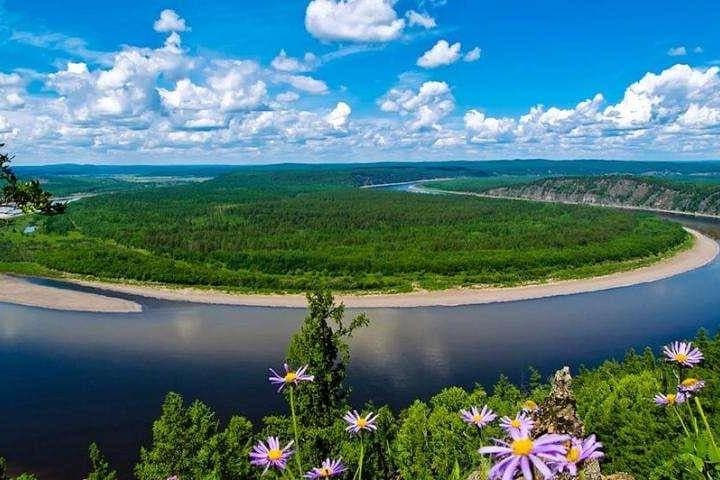
You arrive in northern Heilongjiang where the river dares you to follow it northward and the forest seems older than maps. Long summer days stretch toward 19 hours, and small towns hold the blunt weather of the high boreal: wind, river fog and mosquitoes in June. This private four-day route moves from Harbin’s urban heat to Mohe County’s wide skies, crossing by plane (2–4 hours) or overnight sleeper train (14–16 hours).
Verified experiences and guided adventures in the surrounding area.
Operated by Private Tour Guide · Mohe County, Heilongjiang
You arrive in northern Heilongjiang where the river dares you to follow it northward and the forest seems older than maps. Long summer days stretch toward 19 hours, and small towns hold the blunt weather of the high boreal: wind, river fog and mosquitoes in June. This private four-day route moves from Harbin’s urban heat to Mohe County’s wide skies, crossing by plane (2–4 hours) or overnight sleeper train (14–16 hours).
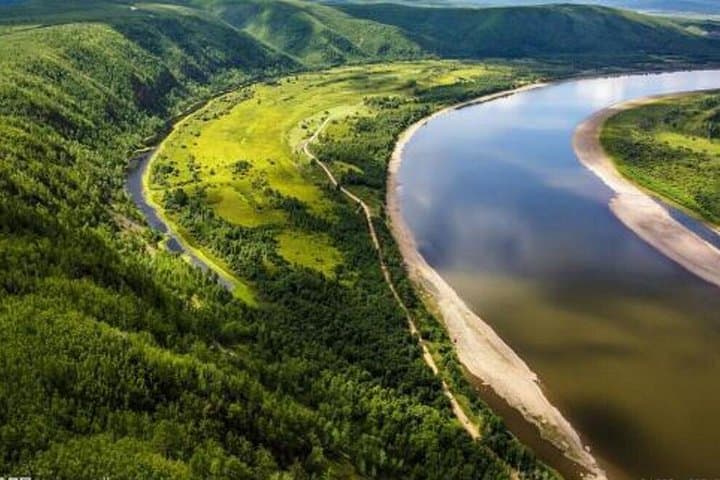
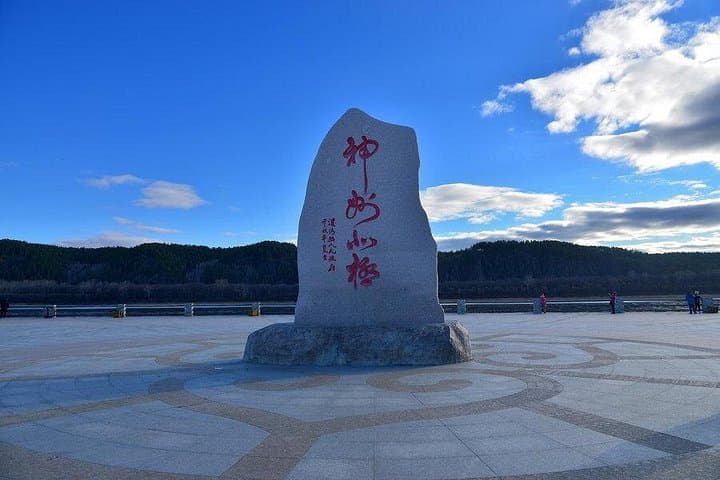
Geology and history here are blunt—Daxing’anling (Greater Khingan) foothills, sandbars on the Heilongjiang (Amur) River and pockets of Qing-era gold workings that shaped Yanzhi Valley’s cultural sites. Borderland trade with Russia and Evenki reindeer-herding traditions still color local life; museum displays in Beiji Village explain the “end of the north” identity. Forest trails, river shoals and a 3 km loop around Arctic sandbar island via a suspension bridge make the walking clear: wetland boardwalks, packed soil trails and short bridge crossings rather than steep mountaineering.
Practical guide: plan light layers and waterproof footwear—walking is moderate with several short hikes and boardwalk sections totaling a few kilometers each day. Expect hotel stays in local 2–3 star properties and private transport between points. Bring passport information for train or plane bookings, and schedule around mid-June to late July for the midnight-sun experience; aurora sightings are possible but uncommon. Hydrate, use insect repellant, and allow travel time between sights—this trip rewards slow observation of rivers, birds and the wide northern light.
moderate.
4 days (3 nights).
Light to moderate fitness; able to walk 2–5 km across uneven trails and boardwalks each day.
You can fly (2–4 hours) or take an overnight sleeper train (about 14–16 hours); both options are arranged by the tour and require passport details for booking.
Mohe is one of China’s best spots for aurora, but sightings are uncommon and weather-dependent—plan expecting long daylight rather than guaranteed northern lights.
Moderate: short hikes and a 3 km loop on the Arctic sandbar island plus boardwalks and village walks; comfortable walking shoes are recommended.
Yes—local 2–3 star hotels in Mohe, Beihong Village and Arctic (Beiji) Village are included, with meals as outlined in the itinerary.
The region sits on Daxing’anling foothills and developed around Qing-era gold mining and border river trade with Russia, shaping its villages and museums.
Boreal forests and wetlands here are sensitive; stick to trails, avoid disturbing birds and refrain from feeding wildlife to protect fragile riverine ecosystems.
Private Tour Guide operates guided outdoor trips and adventures with an emphasis on safety, stewardship, and memorable experiences.

You arrive in northern Heilongjiang where the river dares you to follow it northward and the forest seems older than maps. Long summer days stretch toward 19 hours, and small towns hold the blunt weather of the high boreal: wind, river fog and mosquitoes in June. This private four-day route moves from Harbin’s urban heat to Mohe County’s wide skies, crossing by plane (2–4 hours) or overnight sleeper train (14–16 hours).
You arrive in northern Heilongjiang where the river dares you to follow it northward and the forest seems older than maps. Long summer days stretch toward 19 hours, and small towns hold the blunt weather of the high boreal: wind, river fog and mosquitoes in June. This private four-day route moves from Harbin’s urban heat to Mohe County’s wide skies, crossing by plane (2–4 hours) or overnight sleeper train (14–16 hours).
Geology and history here are blunt—Daxing’anling (Greater Khingan) foothills, sandbars on the Heilongjiang (Amur) River and pockets of Qing-era gold workings that shaped Yanzhi Valley’s cultural sites. Borderland trade with Russia and Evenki reindeer-herding traditions still color local life; museum displays in Beiji Village explain the “end of the north” identity. Forest trails, river shoals and a 3 km loop around Arctic sandbar island via a suspension bridge make the walking clear: wetland boardwalks, packed soil trails and short bridge crossings rather than steep mountaineering.
Practical guide: plan light layers and waterproof footwear—walking is moderate with several short hikes and boardwalk sections totaling a few kilometers each day. Expect hotel stays in local 2–3 star properties and private transport between points. Bring passport information for train or plane bookings, and schedule around mid-June to late July for the midnight-sun experience; aurora sightings are possible but uncommon. Hydrate, use insect repellant, and allow travel time between sights—this trip rewards slow observation of rivers, birds and the wide northern light.