THE ADVENTURE COLLECTIVE® · Independent discovery and booking for outdoor travel

A compact, private four-day crossing from Marrakech to Fes that pairs Atlas mountain passes, cinematic kasbahs and an overnight under the Erg Chebbi stars. Expect long driving stints, cultural stops, camel rides and a desert camp experience.
A compact, private four-day crossing from Marrakech to Fes that pairs Atlas mountain passes, cinematic kasbahs and an overnight under the Erg Chebbi stars. Expect long driving stints, cultural stops, camel rides and a desert camp experience.
You climb into an air-conditioned minivan at dawn in Marrakech and watch the city recede as the High Atlas rises, its switchbacks at Tizi n’Tichka throwing the road into a series of tight, cinematic turns. By late afternoon the landscape changes from terraced olive slopes to ochre gorges, and by the second evening you are on camelback, the Erg Chebbi dunes pushing and rolling underfoot as the sunset spills molten gold.
Verified experiences and guided adventures in the surrounding area.
Operated by Trips For Morocco · Marrakech, Marrakech-Safi
You climb into an air-conditioned minivan at dawn in Marrakech and watch the city recede as the High Atlas rises, its switchbacks at Tizi n’Tichka throwing the road into a series of tight, cinematic turns. By late afternoon the landscape changes from terraced olive slopes to ochre gorges, and by the second evening you are on camelback, the Erg Chebbi dunes pushing and rolling underfoot as the sunset spills molten gold.
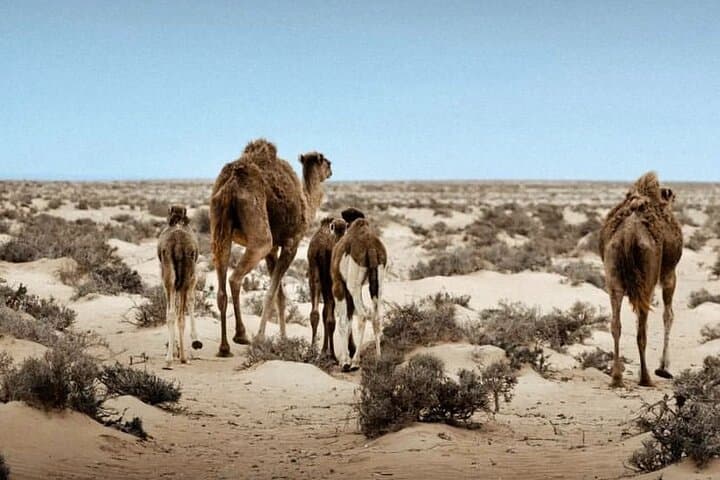
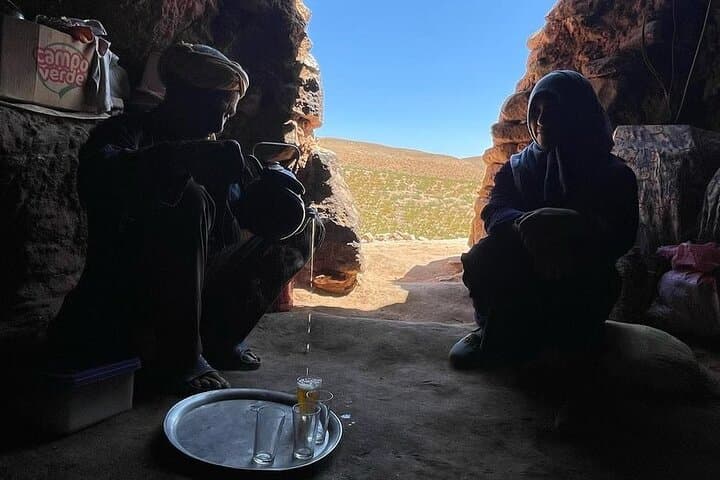
The route threads centuries of trade and film history: fortified kasbahs such as Ait Ben Haddou (a UNESCO site and frequent movie location), the red-rock valleys of Dades and Todgha carved by seasonal rivers, and the palm-fringed Ziz oasis that marked caravan routes across the Sahara. Geologically, you’ll cross the High Atlas—peaks near 2,260 m—then descend to the Saharan erg where dunes can reach 100–150 m. Culturally the trip centers on Berber hospitality: riads, campfire drumming, and shared mint tea with nomad families.
Practical guide: the itinerary covers long drives—expect 5–8 hours on driving days—so pack layered clothing for hot days and cool nights, sun protection, and sturdy shoes for canyon walks. Bring cash for small villages, a headlamp for camp, and a refillable water bottle; camel rides and a desert camp overnight are included. Opt for morning or late-afternoon dune time to avoid peak heat. The tour suits travelers who want cultural immersion with relatively low technical demand but who can tolerate multi-hour drives and basic desert facilities.
moderate.
4 days.
Suitable for travelers in basic good health who can handle multi-hour drives and short walks; no strenuous fitness required.
Yes—camel rides to the desert camp and one overnight in a traditional bivouac are included in the itinerary.
The tour starts in Marrakech and ends in Fes; pickup and drop-off from airports or accommodations are typically included—confirm your pickup point when booking.
Expect 5–8 hours of driving on the longer days with stops for sights; the itinerary balances driving with multiple cultural and scenic breaks.
Yes—the tour is described as physically easy and suitable for most fitness levels, but long drives and desert conditions mean it’s best for those comfortable with travel fatigue.
The route follows former trans-Saharan caravan corridors and passes several fortified kasbahs that protected trade and water sources for centuries.
Stay on established tracks in dunes and avoid driving over fragile vegetation; support local camps and guides who use sustainable water and waste practices.
Trips For Morocco operates guided outdoor trips and adventures with an emphasis on safety, stewardship, and memorable experiences.
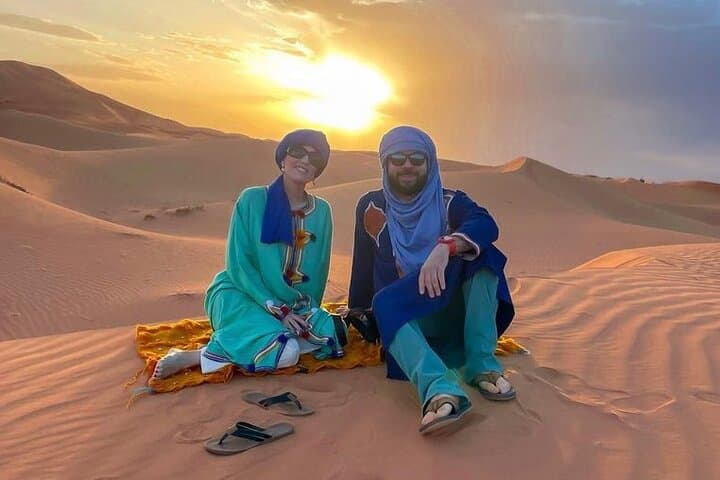
You climb into an air-conditioned minivan at dawn in Marrakech and watch the city recede as the High Atlas rises, its switchbacks at Tizi n’Tichka throwing the road into a series of tight, cinematic turns. By late afternoon the landscape changes from terraced olive slopes to ochre gorges, and by the second evening you are on camelback, the Erg Chebbi dunes pushing and rolling underfoot as the sunset spills molten gold.
You climb into an air-conditioned minivan at dawn in Marrakech and watch the city recede as the High Atlas rises, its switchbacks at Tizi n’Tichka throwing the road into a series of tight, cinematic turns. By late afternoon the landscape changes from terraced olive slopes to ochre gorges, and by the second evening you are on camelback, the Erg Chebbi dunes pushing and rolling underfoot as the sunset spills molten gold.
The route threads centuries of trade and film history: fortified kasbahs such as Ait Ben Haddou (a UNESCO site and frequent movie location), the red-rock valleys of Dades and Todgha carved by seasonal rivers, and the palm-fringed Ziz oasis that marked caravan routes across the Sahara. Geologically, you’ll cross the High Atlas—peaks near 2,260 m—then descend to the Saharan erg where dunes can reach 100–150 m. Culturally the trip centers on Berber hospitality: riads, campfire drumming, and shared mint tea with nomad families.
Practical guide: the itinerary covers long drives—expect 5–8 hours on driving days—so pack layered clothing for hot days and cool nights, sun protection, and sturdy shoes for canyon walks. Bring cash for small villages, a headlamp for camp, and a refillable water bottle; camel rides and a desert camp overnight are included. Opt for morning or late-afternoon dune time to avoid peak heat. The tour suits travelers who want cultural immersion with relatively low technical demand but who can tolerate multi-hour drives and basic desert facilities.