THE ADVENTURE COLLECTIVE® · Independent discovery and booking for outdoor travel

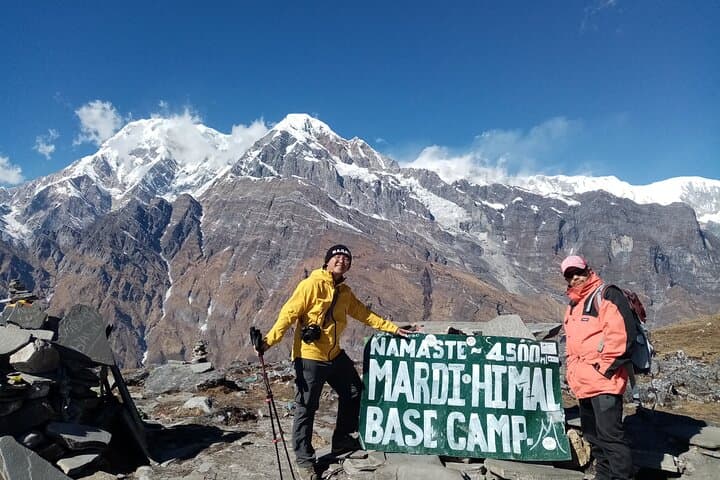
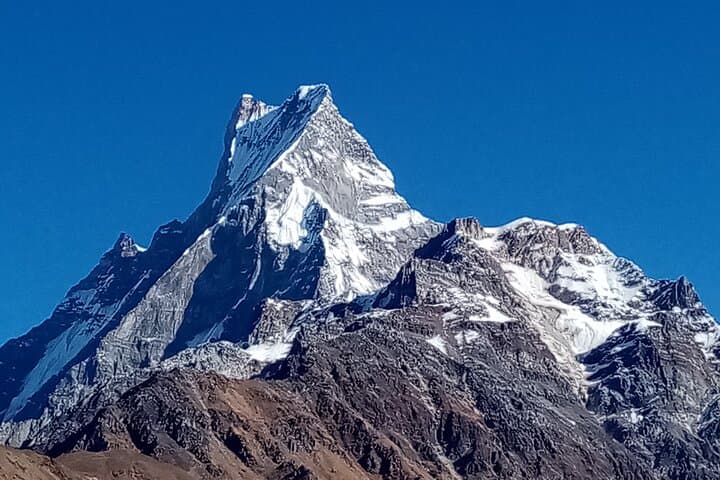
A compact, private four-day trek from Pokhara to Mardi Himal Base Camp that trades crowds for close-up views of Annapurna and Machhapuchhre. Ideal for fit hikers who want high-mountain scenery, teahouse nights, and a short, intense alpine push.
A compact, private four-day trek from Pokhara to Mardi Himal Base Camp that trades crowds for close-up views of Annapurna and Machhapuchhre. Ideal for fit hikers who want high-mountain scenery, teahouse nights, and a short, intense alpine push.
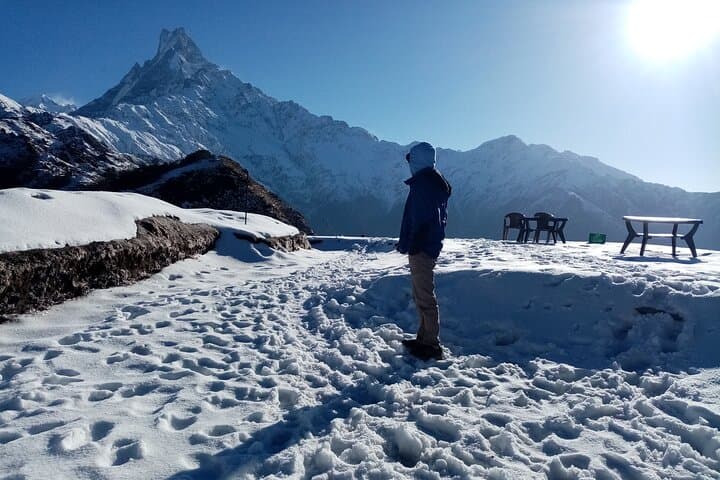
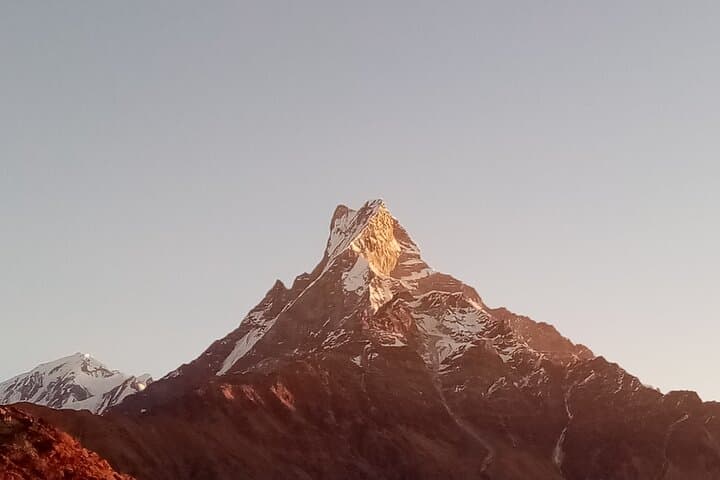
A thin wind from the north wakes you before dawn on the trail to High Camp. Headlamps bob like slow-fireflies as the ridge ahead blinks with the first pale gold on Annapurna South and Machhapuchhre; the mountains feel alive, watching each step.
Verified experiences and guided adventures in the surrounding area.
Operated by Worldwide Tourism Inc - Highly Recommended Travel Company · Pokhara, Gandaki Province
A thin wind from the north wakes you before dawn on the trail to High Camp. Headlamps bob like slow-fireflies as the ridge ahead blinks with the first pale gold on Annapurna South and Machhapuchhre; the mountains feel alive, watching each step.
This compact four-day route threads through lower subtropical valleys into high alpine bowls. Geologically, the Annapurna massif is a collision zone of the Indian and Eurasian plates; you’ll see steep moraine slopes and folded limestone cut by glacial runoff. Culturally the trail passes Gurung villages where stone houses, mani walls and terraced fields mark an age-old mountain life. The Annapurna Conservation Area, created in the late 1980s, protects both landscape and local livelihoods and requires permits on this trek.
Expect rhododendron forests that push the trail into fragrant shade, narrow ridgelines with wide-open views, and teahouse stops that trade big-city comforts for hot dal bhat and a bed with a view. Nature keeps the pace: gullies call you through breath and rock, and the wind often decides when to clear the peaks.
Practical notes: this itinerary is steep and altitude gains are rapid—be conservative with pace and hydrate often. Pack layered clothing for large day-to-night temperature swings and a reliable pair of broken-in trekking boots; poles reduce knee shock on descents. Plan for 4 days of hiking with several long uphill sections, basic teahouse accommodation, and private transfers from Pokhara to Kande and back. Early starts yield the clearest mountain light; afternoons can cloud in monsoon months. With preparation, this is a concentrated, less-crowded Annapurna experience that rewards steady hikers with unforgettable summit-facing panoramas.
challenging.
4 days.
Good cardiovascular fitness; previous multi-day trekking experience and ability to handle steep ascents and 4–6 hour hiking days.
Yes—trekkers must carry an Annapurna Conservation Area Permit (ACAP) and a TIMS card; guides typically arrange these before departure.
Basic teahouse stays with shared or private rooms depending on location; expect simple meals, hot water for a fee, and limited electricity at higher camps.
The itinerary includes substantial altitude gain over a short period; while the base camp itself is at high elevation, the principal risk is rapid ascent—monitor symptoms and be prepared to descend.
This listing is a private tour with guide included; solo, fit hikers can join similar treks, but hiring a guide is recommended for navigation, permits, and local support.
The trail crosses traditional Gurung communities and lies within the Annapurna Conservation Area, Nepal’s first and largest protected region established to balance tourism and local livelihoods.
Carry out non-biodegradable waste, use refillable water bottles, and support teahouses that follow ACAP guidelines to minimize erosion and preserve trailside ecosystems.
Worldwide Tourism Inc - Highly Recommended Travel Company operates guided outdoor trips and adventures with an emphasis on safety, stewardship, and memorable experiences.
A thin wind from the north wakes you before dawn on the trail to High Camp. Headlamps bob like slow-fireflies as the ridge ahead blinks with the first pale gold on Annapurna South and Machhapuchhre; the mountains feel alive, watching each step.
A thin wind from the north wakes you before dawn on the trail to High Camp. Headlamps bob like slow-fireflies as the ridge ahead blinks with the first pale gold on Annapurna South and Machhapuchhre; the mountains feel alive, watching each step.
This compact four-day route threads through lower subtropical valleys into high alpine bowls. Geologically, the Annapurna massif is a collision zone of the Indian and Eurasian plates; you’ll see steep moraine slopes and folded limestone cut by glacial runoff. Culturally the trail passes Gurung villages where stone houses, mani walls and terraced fields mark an age-old mountain life. The Annapurna Conservation Area, created in the late 1980s, protects both landscape and local livelihoods and requires permits on this trek.
Expect rhododendron forests that push the trail into fragrant shade, narrow ridgelines with wide-open views, and teahouse stops that trade big-city comforts for hot dal bhat and a bed with a view. Nature keeps the pace: gullies call you through breath and rock, and the wind often decides when to clear the peaks.
Practical notes: this itinerary is steep and altitude gains are rapid—be conservative with pace and hydrate often. Pack layered clothing for large day-to-night temperature swings and a reliable pair of broken-in trekking boots; poles reduce knee shock on descents. Plan for 4 days of hiking with several long uphill sections, basic teahouse accommodation, and private transfers from Pokhara to Kande and back. Early starts yield the clearest mountain light; afternoons can cloud in monsoon months. With preparation, this is a concentrated, less-crowded Annapurna experience that rewards steady hikers with unforgettable summit-facing panoramas.