THE ADVENTURE COLLECTIVE® · Independent discovery and booking for outdoor travel

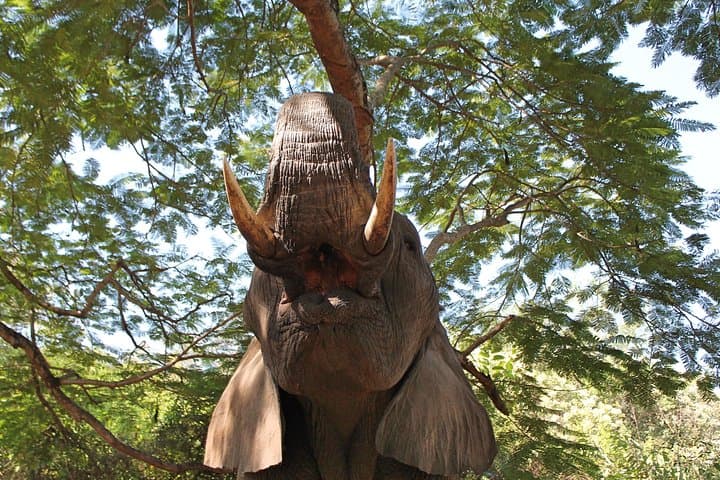
Spend four days from Johannesburg into Kruger National Park with private transfers, guided game drives and a panoramic day at Blyde River Canyon. Expect dawn safaris, chance Big Five sightings, and local meals that bring the lowveld to life.
Spend four days from Johannesburg into Kruger National Park with private transfers, guided game drives and a panoramic day at Blyde River Canyon. Expect dawn safaris, chance Big Five sightings, and local meals that bring the lowveld to life.
A long stretch of tarmac peels away from Johannesburg and the landscape loosens into lowveld scrub; you feel the land open as the Drakensberg escarpment pushes the horizon back. Midway the transfer pauses at Alzu Petroport, where a viewing deck lets you watch rhino and buffalo move like slow punctuation marks across the plain. By evening you’re in Hazyview, doors unlatched to the warm scent of wood smoke from a South African braai.
Verified experiences and guided adventures in the surrounding area.
Operated by Moving on African Grounds · Hazyview, Mpumalanga
A long stretch of tarmac peels away from Johannesburg and the landscape loosens into lowveld scrub; you feel the land open as the Drakensberg escarpment pushes the horizon back. Midway the transfer pauses at Alzu Petroport, where a viewing deck lets you watch rhino and buffalo move like slow punctuation marks across the plain. By evening you’re in Hazyview, doors unlatched to the warm scent of wood smoke from a South African braai.
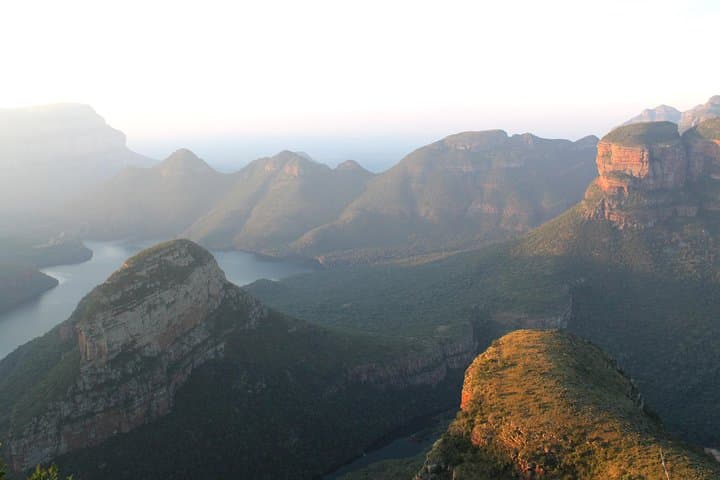
Kruger National Park sits on ancient geology—basalt flows and sedimentary benches carved by rivers over millions of years—and it hosts an ecosystem shaped by dry and wet seasons. The nearby Blyde River Canyon is one of the largest green canyons on Earth; its Three Rondawels offer sweeping geology and layered sandstone faces. The region’s cultures—Tsonga and Shangaan communities alongside Afrikaans and English-speaking towns—add culinary and storytelling layers to the journey.
Practically: expect long early-morning drives in an open or closed safari vehicle driven by a guide who reads spoor and sound. The transfer from Johannesburg to Hazyview is roughly 4–5 hours (about 400–450 km) depending on stops. Wildlife viewing is strongest in the dry months when animals gather at water; however every day in Kruger is different. Children under six must ride in closed vehicles. Malaria prophylaxis is advised for many visitors—check with your clinic. Pack light layers for cool mornings, a sun hat, binoculars, and a reusable water bottle. Tipping guides and drivers is customary; carry small notes. Travel with patience: the bush moves on its own timetable, and part of the reward is waiting as the land decides what it will reveal.
moderate.
4 days.
Suitable for most fitness levels; you should be comfortable sitting for long drives, getting in and out of vehicles, and walking short trails
This tour includes private transfers from O.R. Tambo (as described) but domestic or international flights are not included; confirm pickup details when booking.
Yes—children are welcome but those under six must ride in closed vehicles for safety; inform the operator when booking.
The dry winter months (June–August) usually give the most reliable sightings as animals concentrate at water, though wildlife can be seen year-round.
Vaccinations depend on your origin; malaria prophylaxis is commonly recommended for Kruger-area travel—check with a travel health clinic well before departure.
Kruger was established in 1898 and named after Paul Kruger; it preserves both biodiversity and cultural landscapes shaped by local communities.
Park rules and responsible guides minimize disturbance; support local conservation through park fees and by avoiding single-use plastics in the reserve.
Moving on African Grounds operates guided outdoor trips and adventures with an emphasis on safety, stewardship, and memorable experiences.
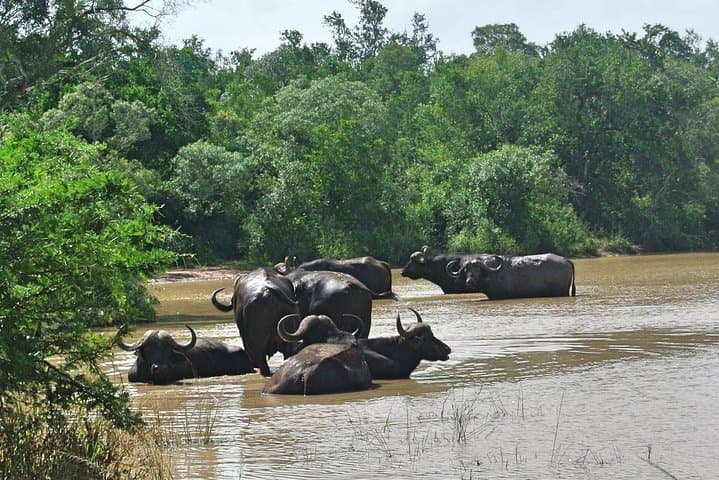
A long stretch of tarmac peels away from Johannesburg and the landscape loosens into lowveld scrub; you feel the land open as the Drakensberg escarpment pushes the horizon back. Midway the transfer pauses at Alzu Petroport, where a viewing deck lets you watch rhino and buffalo move like slow punctuation marks across the plain. By evening you’re in Hazyview, doors unlatched to the warm scent of wood smoke from a South African braai.
A long stretch of tarmac peels away from Johannesburg and the landscape loosens into lowveld scrub; you feel the land open as the Drakensberg escarpment pushes the horizon back. Midway the transfer pauses at Alzu Petroport, where a viewing deck lets you watch rhino and buffalo move like slow punctuation marks across the plain. By evening you’re in Hazyview, doors unlatched to the warm scent of wood smoke from a South African braai.
Kruger National Park sits on ancient geology—basalt flows and sedimentary benches carved by rivers over millions of years—and it hosts an ecosystem shaped by dry and wet seasons. The nearby Blyde River Canyon is one of the largest green canyons on Earth; its Three Rondawels offer sweeping geology and layered sandstone faces. The region’s cultures—Tsonga and Shangaan communities alongside Afrikaans and English-speaking towns—add culinary and storytelling layers to the journey.
Practically: expect long early-morning drives in an open or closed safari vehicle driven by a guide who reads spoor and sound. The transfer from Johannesburg to Hazyview is roughly 4–5 hours (about 400–450 km) depending on stops. Wildlife viewing is strongest in the dry months when animals gather at water; however every day in Kruger is different. Children under six must ride in closed vehicles. Malaria prophylaxis is advised for many visitors—check with your clinic. Pack light layers for cool mornings, a sun hat, binoculars, and a reusable water bottle. Tipping guides and drivers is customary; carry small notes. Travel with patience: the bush moves on its own timetable, and part of the reward is waiting as the land decides what it will reveal.