THE ADVENTURE COLLECTIVE® · Independent discovery and booking for outdoor travel

A concise private itinerary that pairs Jaipur’s royal architecture with a focused Ranthambore wildlife safari. Expect comfortable transfers, guided palace visits, and one scheduled game drive in tiger country.
A concise private itinerary that pairs Jaipur’s royal architecture with a focused Ranthambore wildlife safari. Expect comfortable transfers, guided palace visits, and one scheduled game drive in tiger country.
Before dawn the highway loosens from Delhi’s edge and the landscape opens into Rajasthan’s ochre plains—an easy, private drive that moves from the city’s hum toward Jaipur’s pink streets and the scrubby forests of Ranthambore. On day one the tour deposits you inside Jaipur’s fort-lined skyline: Amber’s ramparts rise like worked rock and Hawa Mahal’s lattice peers over a bustling bazaar. The next day is a sequence of royal architecture—Jaigarh’s guns, Jal Mahal floating on Man Sagar Lake—and village rhythms that punctuate the city’s modern bustle.
Verified experiences and guided adventures in the surrounding area.
Operated by Shubh Yatra Tours · Sawai Madhopur, Rajasthan
Before dawn the highway loosens from Delhi’s edge and the landscape opens into Rajasthan’s ochre plains—an easy, private drive that moves from the city’s hum toward Jaipur’s pink streets and the scrubby forests of Ranthambore. On day one the tour deposits you inside Jaipur’s fort-lined skyline: Amber’s ramparts rise like worked rock and Hawa Mahal’s lattice peers over a bustling bazaar. The next day is a sequence of royal architecture—Jaigarh’s guns, Jal Mahal floating on Man Sagar Lake—and village rhythms that punctuate the city’s modern bustle.
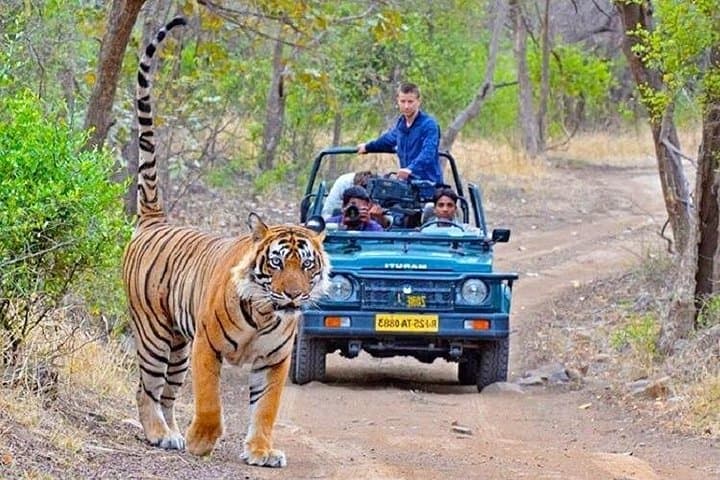
Ranthambore, set where the Vindhya and Aravalli influences meet, carries the mark of medieval forts and sandstone ridges. The park’s mosaic of dry deciduous forest, lakes and rocky outcrops supports tigers, deer and langurs; early safaris move through shafts of light while the forest seems to hold its breath. Cultural traces thread the route: Jaipur’s 18th-century planning under Maharaja Jai Singh II, local crafts clustered in bazaars, and Ranthambore Fort’s layered history from Rajput stronghold to Mughal campaigns.
Practical guidance: book morning safaris and park permits well in advance; travel times vary with traffic between Delhi and Jaipur. Expect light walking around palaces and short, bumpy rides on wildlife tracks—bring sun protection, a compact pair of binoculars, and a small daypack. Respect park rules: keep noise low, remain in the vehicle, and follow guides’ instructions. The trip blends accessible urban sightseeing with a focused wildlife experience—ideal for travelers who want cultural depth plus a real chance to see India’s tigers in protected habitat.
easy.
4 days (approx. 48–56 hours including transfers).
Suitable for travelers in normal travel fitness; involves short walks at monuments and bumpy safari drives.
Ranthambore offers strong tiger sightings but sightings are not guaranteed; the tour includes one scheduled safari that maximizes chances by using experienced guides and park sector allocations.
Delhi to Jaipur typically takes 4–5 hours depending on traffic; Jaipur to Ranthambore is around 3–4 hours by road—allow extra time for stops and congestion.
This itinerary indicates national park fees and one wildlife safari are included—confirm the exact inclusions and permit names when you book.
The tour is marketed as physically easy and suitable for families, though safaris and some site access involve bumpy rides and stairs; travelers with spinal issues or pregnancy should consult a physician and the operator’s guidelines.
Jaipur was established in the 18th century by Maharaja Jai Singh II as a planned capital; Ranthambore Fort has medieval origins and served as a Rajput stronghold for centuries.
Ranthambore is a designated tiger reserve with strict vehicle quotas and guided-only safaris—follow park rules and minimize single-use plastics to support conservation.
Shubh Yatra Tours operates guided outdoor trips and adventures with an emphasis on safety, stewardship, and memorable experiences.
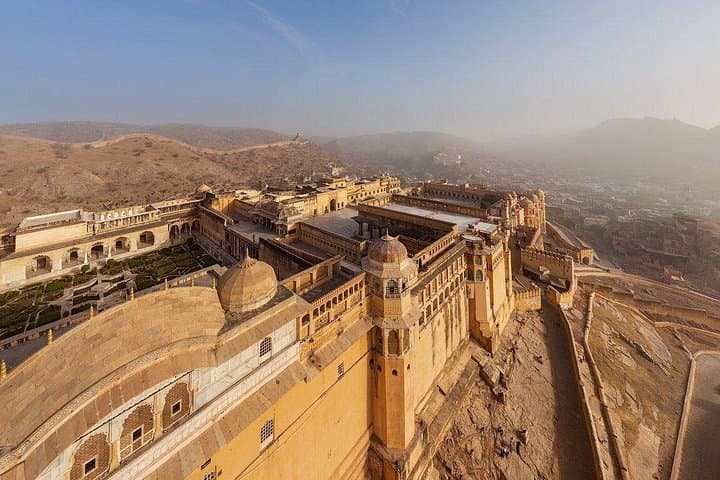
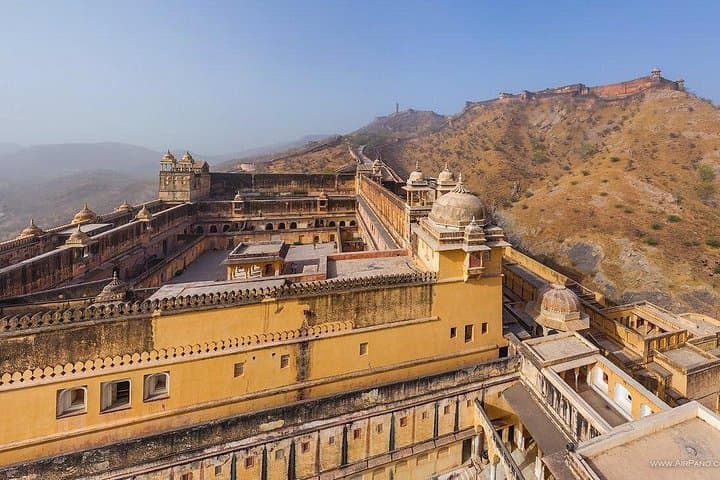
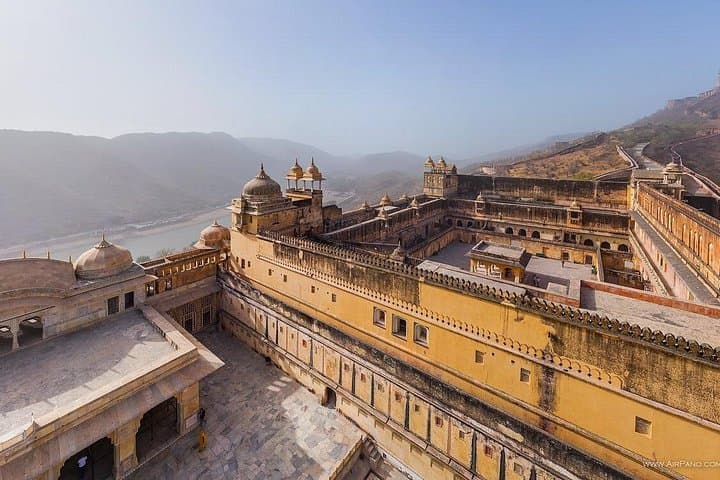
Before dawn the highway loosens from Delhi’s edge and the landscape opens into Rajasthan’s ochre plains—an easy, private drive that moves from the city’s hum toward Jaipur’s pink streets and the scrubby forests of Ranthambore. On day one the tour deposits you inside Jaipur’s fort-lined skyline: Amber’s ramparts rise like worked rock and Hawa Mahal’s lattice peers over a bustling bazaar. The next day is a sequence of royal architecture—Jaigarh’s guns, Jal Mahal floating on Man Sagar Lake—and village rhythms that punctuate the city’s modern bustle.
Before dawn the highway loosens from Delhi’s edge and the landscape opens into Rajasthan’s ochre plains—an easy, private drive that moves from the city’s hum toward Jaipur’s pink streets and the scrubby forests of Ranthambore. On day one the tour deposits you inside Jaipur’s fort-lined skyline: Amber’s ramparts rise like worked rock and Hawa Mahal’s lattice peers over a bustling bazaar. The next day is a sequence of royal architecture—Jaigarh’s guns, Jal Mahal floating on Man Sagar Lake—and village rhythms that punctuate the city’s modern bustle.
Ranthambore, set where the Vindhya and Aravalli influences meet, carries the mark of medieval forts and sandstone ridges. The park’s mosaic of dry deciduous forest, lakes and rocky outcrops supports tigers, deer and langurs; early safaris move through shafts of light while the forest seems to hold its breath. Cultural traces thread the route: Jaipur’s 18th-century planning under Maharaja Jai Singh II, local crafts clustered in bazaars, and Ranthambore Fort’s layered history from Rajput stronghold to Mughal campaigns.
Practical guidance: book morning safaris and park permits well in advance; travel times vary with traffic between Delhi and Jaipur. Expect light walking around palaces and short, bumpy rides on wildlife tracks—bring sun protection, a compact pair of binoculars, and a small daypack. Respect park rules: keep noise low, remain in the vehicle, and follow guides’ instructions. The trip blends accessible urban sightseeing with a focused wildlife experience—ideal for travelers who want cultural depth plus a real chance to see India’s tigers in protected habitat.