THE ADVENTURE COLLECTIVE® · Independent discovery and booking for outdoor travel

Travel four days from Quito into the Arajuno and Curaray waterways to meet Huaorani and Kichwa communities, watch parrot clay licks, and explore lowland rainforest by canoe and lodge. Expect guided cultural exchange, wildlife viewing, and wet‑season rhythms.
Travel four days from Quito into the Arajuno and Curaray waterways to meet Huaorani and Kichwa communities, watch parrot clay licks, and explore lowland rainforest by canoe and lodge. Expect guided cultural exchange, wildlife viewing, and wet‑season rhythms.
You step off the motorized canoe into a humid hush: a chorus of insects sharpens as river water beads on your hat, and the jungle seems to lean in to see who has arrived. The ride from Quito drops you from volcanic highlands through cloud forest, then disgorges you onto braided rivers and the low, green walls of the Amazon basin where Huaorani territory opens like a living classroom.
Verified experiences and guided adventures in the surrounding area.
Operated by Ecuador Best Tours · Arajuno, Napo
You step off the motorized canoe into a humid hush: a chorus of insects sharpens as river water beads on your hat, and the jungle seems to lean in to see who has arrived. The ride from Quito drops you from volcanic highlands through cloud forest, then disgorges you onto braided rivers and the low, green walls of the Amazon basin where Huaorani territory opens like a living classroom.
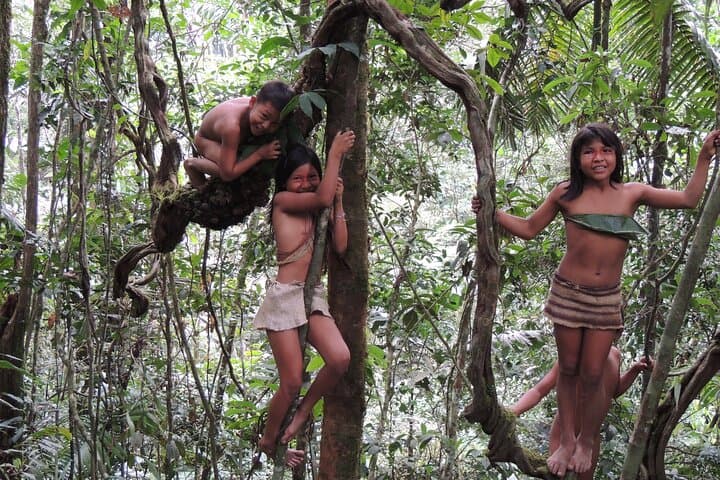
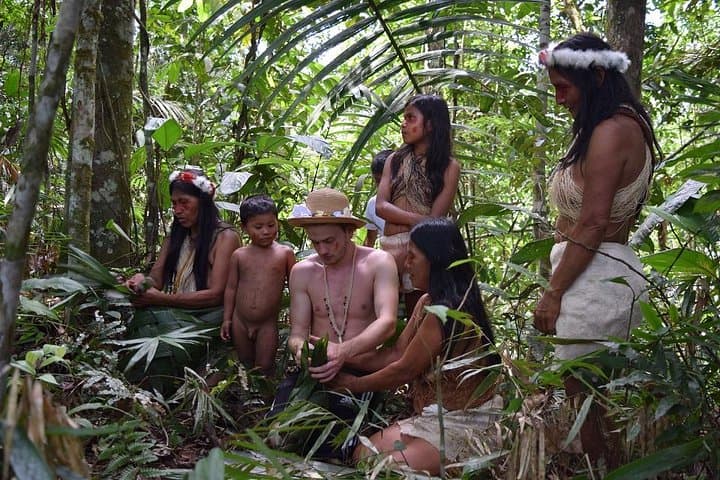
This region sits on young Amazonian alluvial soils fed by Andean runoff; rivers like the Arajuno and Curaray cut channels through peat and clay, carving the landscape that sustained Huaorani lifeways. The tour mixes cultural exchange — visits with Kichwa communities and an encounter with Huaorani people whose first recorded contact with outsiders came in the 1950s — with lowland rainforest ecology: parrot clay licks, rescue centers for native fauna, and trails where medicinal plants reveal practical knowledge passed down generations.
Expect guided canoe passages, short land drives on uneven jungle tracks, nocturnal walks to hear caiman and insect choruses, and a blowpipe demonstration that connects you to indigenous hunting traditions. Lodges are basic but comfortable, meals emphasize local ingredients, and days are paced by river hours and wildlife activity rather than clocks.
Practical tip: pack high‑performance insect repellent, a lightweight waterproof layer, sturdy trail shoes, and binoculars. Hydrate often — humidity hides dehydration — and follow guides’ instruction around river safety and respectful photography. This is an immersive, low-impact journey for travelers prepared for basic facilities and deep cultural exchange.
moderate.
4 days.
Moderate fitness—comfortable with several short hikes, canoe rides, and uneven terrain; able to board small boats.
Consult your doctor well before travel; routine vaccinations plus yellow fever and malaria precautions are commonly recommended for Ecuador’s Amazon—follow current medical guidance.
Children may join but must be accompanied by an adult; the operator lists moderate fitness requirements and advises supervision around boats and riverbanks.
Expect limited or no cell service in lodge areas and intermittent electricity; some lodges provide basic power at set hours.
Always ask permission before photographing; guides will advise on respectful practices and community rules regarding images.
Huaorani groups first had extended documented contact with outsiders in the 1950s; subsequent decades brought missionary influence and extractive pressures that reshaped access to territories.
The area faces pressures from oil exploration and rising tourism; choose operators that support local communities and follow leave-no-trace principles to minimize impact.
Ecuador Best Tours operates guided outdoor trips and adventures with an emphasis on safety, stewardship, and memorable experiences.
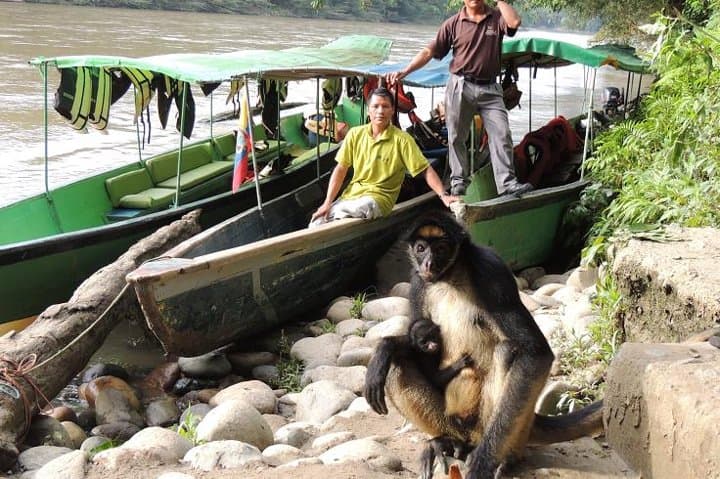

You step off the motorized canoe into a humid hush: a chorus of insects sharpens as river water beads on your hat, and the jungle seems to lean in to see who has arrived. The ride from Quito drops you from volcanic highlands through cloud forest, then disgorges you onto braided rivers and the low, green walls of the Amazon basin where Huaorani territory opens like a living classroom.
You step off the motorized canoe into a humid hush: a chorus of insects sharpens as river water beads on your hat, and the jungle seems to lean in to see who has arrived. The ride from Quito drops you from volcanic highlands through cloud forest, then disgorges you onto braided rivers and the low, green walls of the Amazon basin where Huaorani territory opens like a living classroom.
This region sits on young Amazonian alluvial soils fed by Andean runoff; rivers like the Arajuno and Curaray cut channels through peat and clay, carving the landscape that sustained Huaorani lifeways. The tour mixes cultural exchange — visits with Kichwa communities and an encounter with Huaorani people whose first recorded contact with outsiders came in the 1950s — with lowland rainforest ecology: parrot clay licks, rescue centers for native fauna, and trails where medicinal plants reveal practical knowledge passed down generations.
Expect guided canoe passages, short land drives on uneven jungle tracks, nocturnal walks to hear caiman and insect choruses, and a blowpipe demonstration that connects you to indigenous hunting traditions. Lodges are basic but comfortable, meals emphasize local ingredients, and days are paced by river hours and wildlife activity rather than clocks.
Practical tip: pack high‑performance insect repellent, a lightweight waterproof layer, sturdy trail shoes, and binoculars. Hydrate often — humidity hides dehydration — and follow guides’ instruction around river safety and respectful photography. This is an immersive, low-impact journey for travelers prepared for basic facilities and deep cultural exchange.