THE ADVENTURE COLLECTIVE® · Independent discovery and booking for outdoor travel

Four days of private trekking and cultural exchange in Bwindi combine up-close mountain gorilla encounters with Batwa community visits and Ugandan cultural stops. Expect steep, muddy trails, limited permits, and deeply rewarding wildlife viewing.
Four days of private trekking and cultural exchange in Bwindi combine up-close mountain gorilla encounters with Batwa community visits and Ugandan cultural stops. Expect steep, muddy trails, limited permits, and deeply rewarding wildlife viewing.
Mist hangs low in the morning as you step from the lodge into the steep green ribs of Bwindi Impenetrable Forest. The trail pitches up and down through moss-slick roots, the forest itself seeming to lean in and watch; streams chuckle and dare you to take the wet line. On day three you will trade bus windows for a walking rhythm—two to eight hours of trek time depending on the family’s location—until the scrub parts and a silverback sits, calm and curious, inches away.
Verified experiences and guided adventures in the surrounding area.
Operated by Ihamba Adventures · Buhoma, Kanungu District
Mist hangs low in the morning as you step from the lodge into the steep green ribs of Bwindi Impenetrable Forest. The trail pitches up and down through moss-slick roots, the forest itself seeming to lean in and watch; streams chuckle and dare you to take the wet line. On day three you will trade bus windows for a walking rhythm—two to eight hours of trek time depending on the family’s location—until the scrub parts and a silverback sits, calm and curious, inches away.
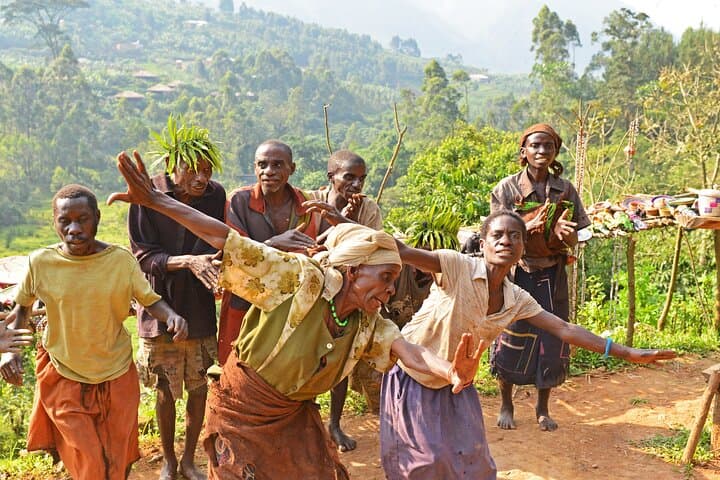
Bwindi is ancient geology: a jumble of uplifted gneiss and schist carved by erosion and climate into narrow ridges and valleys that hold one of Africa’s richest patches of montane forest. Human history threads through it too—the Batwa people once lived entirely within these woods; today guided Batwa visits offer cultural context and a chance to hear ancestral songs and watch traditional skills demonstrated.
Practicalities matter: gorilla permits are required and limited, viewing is strictly one hour, and park staff enforce health and distance rules to protect both gorillas and visitors. Expect muddy trails, steep sections, and elevations roughly between 1,200–2,400 meters; good boots and a rain shell are non-negotiable. Your itinerary usually links Entebbe or Kampala transfers with stops at the Equator, Mpambire drum makers, and Igongo cultural centre.
Plan for early starts, layered clothing for quickly shifting microclimates, and a modest pack with water, snacks, and a charged camera (no flash). Respect the rules: no eating near the gorillas, stay low and quiet, and follow guides’ instructions—those small gestures preserve an extraordinary, once-in-a-lifetime encounter.
moderate.
4 days.
Moderate aerobic fitness and the ability to hike steep, muddy trails for 2–8 hours in a day.
Yes—gorilla permits are mandatory, issued by authorities, limited in number, and usually must be purchased well in advance.
Trek time varies by gorilla location—typical hikes run from about two hours up to eight hours round-trip; viewing time with gorillas is limited to one hour.
Age limits vary by park rules and permit type; check with the operator—young children may be discouraged due to terrain and conservation rules.
Dry windows (June–August and December–February) are generally easier for trekking, but gorilla sightings are possible year-round with appropriate clothing for rain.
Bwindi’s forests have long supported local communities such as the Batwa; gorilla conservation and park boundaries reshaped settlement and livelihoods in the 20th century.
Gorilla permits fund park protection and community projects; follow rules to minimize disease transmission and habitat disturbance.
Ihamba Adventures operates guided outdoor trips and adventures with an emphasis on safety, stewardship, and memorable experiences.
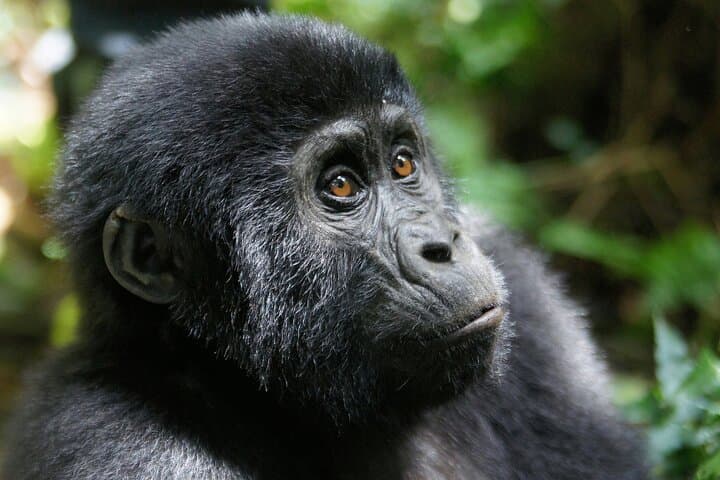
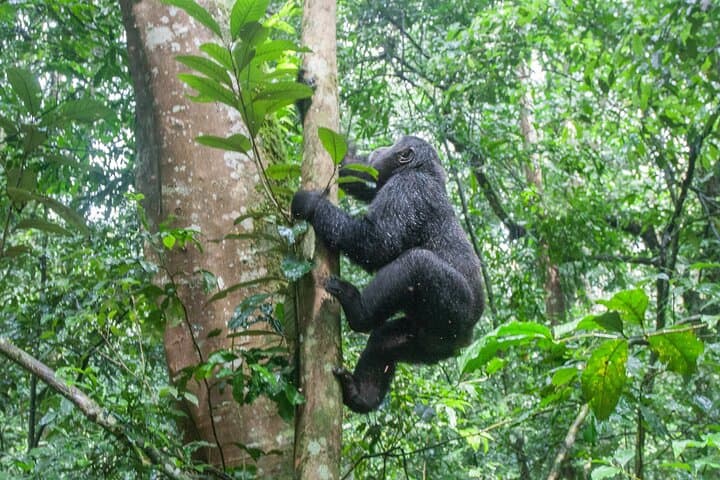
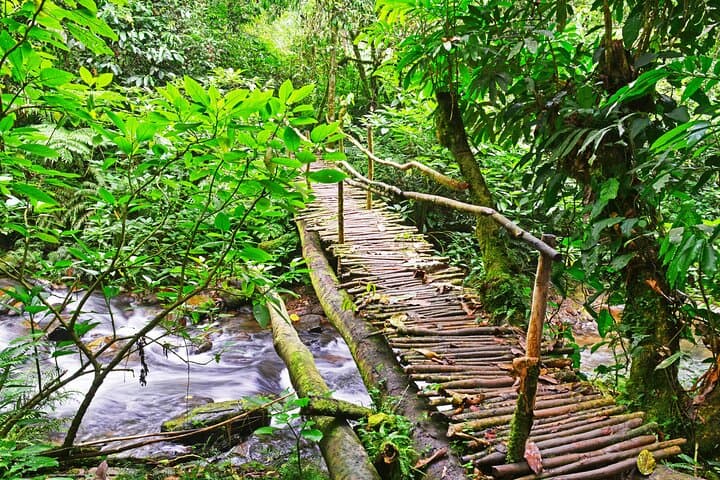
Mist hangs low in the morning as you step from the lodge into the steep green ribs of Bwindi Impenetrable Forest. The trail pitches up and down through moss-slick roots, the forest itself seeming to lean in and watch; streams chuckle and dare you to take the wet line. On day three you will trade bus windows for a walking rhythm—two to eight hours of trek time depending on the family’s location—until the scrub parts and a silverback sits, calm and curious, inches away.
Mist hangs low in the morning as you step from the lodge into the steep green ribs of Bwindi Impenetrable Forest. The trail pitches up and down through moss-slick roots, the forest itself seeming to lean in and watch; streams chuckle and dare you to take the wet line. On day three you will trade bus windows for a walking rhythm—two to eight hours of trek time depending on the family’s location—until the scrub parts and a silverback sits, calm and curious, inches away.
Bwindi is ancient geology: a jumble of uplifted gneiss and schist carved by erosion and climate into narrow ridges and valleys that hold one of Africa’s richest patches of montane forest. Human history threads through it too—the Batwa people once lived entirely within these woods; today guided Batwa visits offer cultural context and a chance to hear ancestral songs and watch traditional skills demonstrated.
Practicalities matter: gorilla permits are required and limited, viewing is strictly one hour, and park staff enforce health and distance rules to protect both gorillas and visitors. Expect muddy trails, steep sections, and elevations roughly between 1,200–2,400 meters; good boots and a rain shell are non-negotiable. Your itinerary usually links Entebbe or Kampala transfers with stops at the Equator, Mpambire drum makers, and Igongo cultural centre.
Plan for early starts, layered clothing for quickly shifting microclimates, and a modest pack with water, snacks, and a charged camera (no flash). Respect the rules: no eating near the gorillas, stay low and quiet, and follow guides’ instructions—those small gestures preserve an extraordinary, once-in-a-lifetime encounter.