THE ADVENTURE COLLECTIVE® · Independent discovery and booking for outdoor travel

Four days of concentrated Egypt: Cairo’s museum collections and Giza’s pyramids followed by a quick flight to Luxor to explore the Valley of the Kings, Hatshepsut’s temple and Karnak. This private package combines guided context with included entrance fees and flights for a compact cultural itinerary.
Four days of concentrated Egypt: Cairo’s museum collections and Giza’s pyramids followed by a quick flight to Luxor to explore the Valley of the Kings, Hatshepsut’s temple and Karnak. This private package combines guided context with included entrance fees and flights for a compact cultural itinerary.
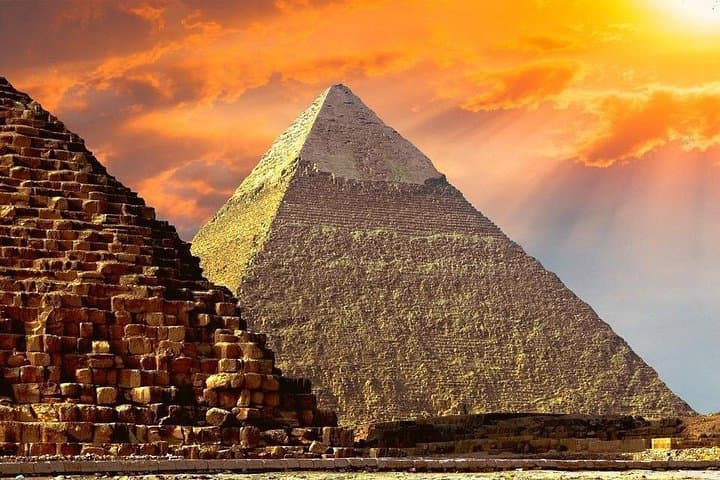
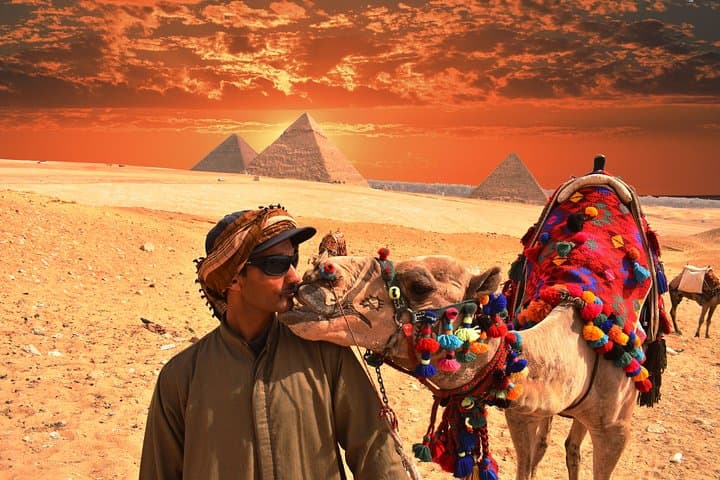
You step out of the cool lobby into Cairo’s dry air and, minutes later, the skyline opens to the scale of the Giza Plateau — limestone blocks catching a hard, honeyed light that pushes the city back into a ribbon of roofs and palms. This private four-day loop stitches Cairo’s world-class collections and Giza’s monumental stones with an early flight to Luxor’s ancient banks of the Nile, where tomb corridors and columned courts feel surprisingly intact.
Verified experiences and guided adventures in the surrounding area.
Operated by Egypt Tours Club · Cairo, Cairo Governorate
You step out of the cool lobby into Cairo’s dry air and, minutes later, the skyline opens to the scale of the Giza Plateau — limestone blocks catching a hard, honeyed light that pushes the city back into a ribbon of roofs and palms. This private four-day loop stitches Cairo’s world-class collections and Giza’s monumental stones with an early flight to Luxor’s ancient banks of the Nile, where tomb corridors and columned courts feel surprisingly intact.
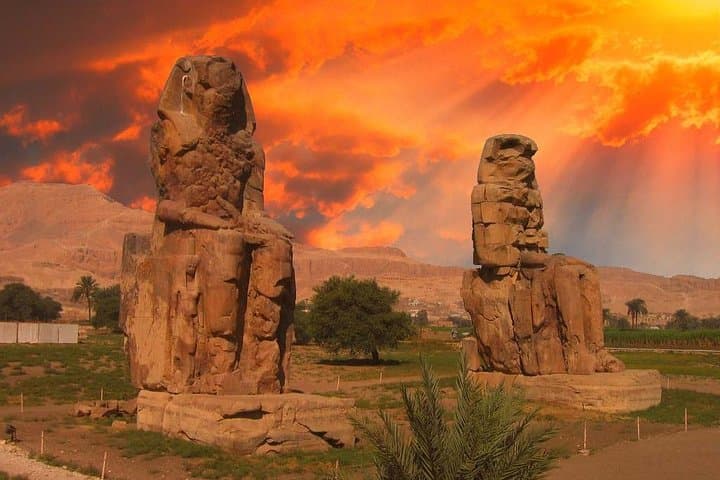
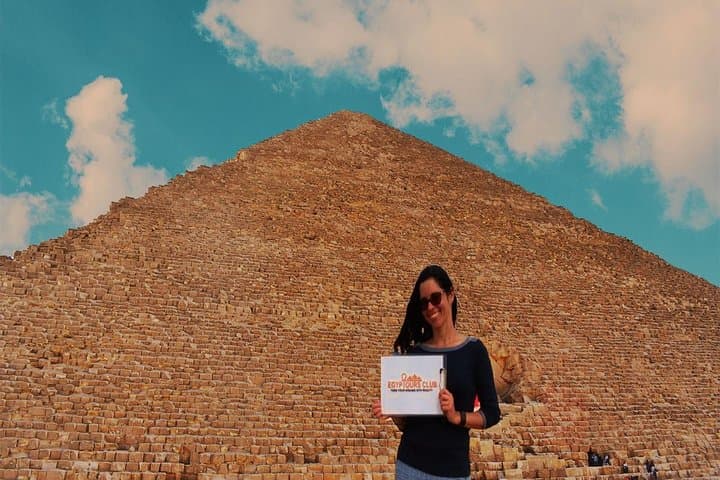
The trip threads 19th– and 20th-century Egyptology with pharaonic stone: the Egyptian Museum’s Tutankhamen treasures, the geometric perfection of the Great Pyramid, the Sphinx’s watchful profile, then Luxor’s Valley of the Kings — rock-cut tombs carved into the Theban cliff — Hatshepsut’s terraced mortuary temple, and the hypostyle halls of Karnak. Geology matters here: the Giza limestone cap and Luxor’s sandstone cliffs shaped tomb placement and temple façades, while the Nile’s annual flood built the agricultural wealth behind pharaonic power.
Practical notes: expect long days on paved and uneven surfaces, strong sun, and early starts for the best light and smaller crowds. Bring a reusable water bottle and sun protection; museums and major sites enforce security and ticket checks. Guides decode iconography and skip long lines when possible — this private itinerary includes entrance fees and domestic flights between Cairo and Luxor.
Timing your visit for cooler months (October–April) means comfortable walking and cleaner skies. Move deliberately through tomb chambers and temple colonnades, allow time on the Giza panorama at sunset, and remember that respectful dress and modest behavior in religious and museum spaces will smooth interactions with local staff and communities.
easy.
4 days.
Suitable for most fitness levels — involves walking on uneven stone, steps, and standing during guided visits.
Yes — this private package includes entrance fees to listed sites and the Cairo–Luxor–Cairo domestic flights specified in the itinerary.
The provider notes wheelchair accessibility, but some archaeological sites have uneven terrain and steps; confirm specific access needs in advance.
Modest, comfortable clothing is recommended; shoulders and knees covered in many public and religious settings helps ensure respectful interactions.
Expect several hours of guided walking on days two and three, with periods of standing in museums and at monuments — light fitness and comfortable shoes are advised.
Cairo’s museums collect millennia of pharaonic artifacts that trace centralized state power; Luxor sits on the ancient city of Thebes, Egypt’s religious capital for many dynasties.
High visitor traffic stresses fragile tomb paintings and sandstone surfaces; follow guidance on photography and touching, and support sites with responsible behavior and local conservation fees when requested.
Egypt Tours Club operates guided outdoor trips and adventures with an emphasis on safety, stewardship, and memorable experiences.
You step out of the cool lobby into Cairo’s dry air and, minutes later, the skyline opens to the scale of the Giza Plateau — limestone blocks catching a hard, honeyed light that pushes the city back into a ribbon of roofs and palms. This private four-day loop stitches Cairo’s world-class collections and Giza’s monumental stones with an early flight to Luxor’s ancient banks of the Nile, where tomb corridors and columned courts feel surprisingly intact.
You step out of the cool lobby into Cairo’s dry air and, minutes later, the skyline opens to the scale of the Giza Plateau — limestone blocks catching a hard, honeyed light that pushes the city back into a ribbon of roofs and palms. This private four-day loop stitches Cairo’s world-class collections and Giza’s monumental stones with an early flight to Luxor’s ancient banks of the Nile, where tomb corridors and columned courts feel surprisingly intact.
The trip threads 19th– and 20th-century Egyptology with pharaonic stone: the Egyptian Museum’s Tutankhamen treasures, the geometric perfection of the Great Pyramid, the Sphinx’s watchful profile, then Luxor’s Valley of the Kings — rock-cut tombs carved into the Theban cliff — Hatshepsut’s terraced mortuary temple, and the hypostyle halls of Karnak. Geology matters here: the Giza limestone cap and Luxor’s sandstone cliffs shaped tomb placement and temple façades, while the Nile’s annual flood built the agricultural wealth behind pharaonic power.
Practical notes: expect long days on paved and uneven surfaces, strong sun, and early starts for the best light and smaller crowds. Bring a reusable water bottle and sun protection; museums and major sites enforce security and ticket checks. Guides decode iconography and skip long lines when possible — this private itinerary includes entrance fees and domestic flights between Cairo and Luxor.
Timing your visit for cooler months (October–April) means comfortable walking and cleaner skies. Move deliberately through tomb chambers and temple colonnades, allow time on the Giza panorama at sunset, and remember that respectful dress and modest behavior in religious and museum spaces will smooth interactions with local staff and communities.