THE ADVENTURE COLLECTIVE® · Independent discovery and booking for outdoor travel

Cover Cairo’s pyramids, Alexandria’s Mediterranean ruins and Luxor’s temple-studded banks in four days with private transfers and a first-class sitting train. A guided circuit for history lovers that balances long walking days with comfort and context.
Cover Cairo’s pyramids, Alexandria’s Mediterranean ruins and Luxor’s temple-studded banks in four days with private transfers and a first-class sitting train. A guided circuit for history lovers that balances long walking days with comfort and context.
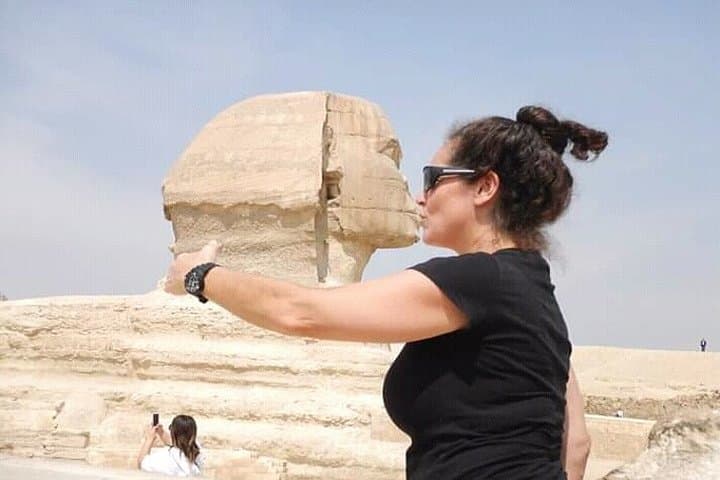
You step out of your Cairo hotel into a city that hums—minarets calling, street vendors arranging spices, and the Nile pulling a slow ribbon of light through the heart of town. By mid-morning your private Egyptology guide is pointing out the Giza plateau’s massive silhouettes; later that night you’ll be settling into a first-class sitting train as it carries you south toward Luxor, the desert breathing around the rails.
Verified experiences and guided adventures in the surrounding area.
Operated by Egypt Gift Tours · Cairo, Cairo Governorate
You step out of your Cairo hotel into a city that hums—minarets calling, street vendors arranging spices, and the Nile pulling a slow ribbon of light through the heart of town. By mid-morning your private Egyptology guide is pointing out the Giza plateau’s massive silhouettes; later that night you’ll be settling into a first-class sitting train as it carries you south toward Luxor, the desert breathing around the rails.
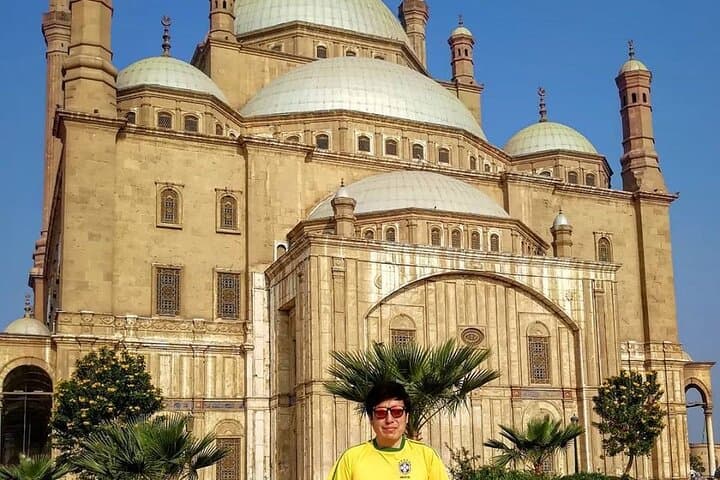
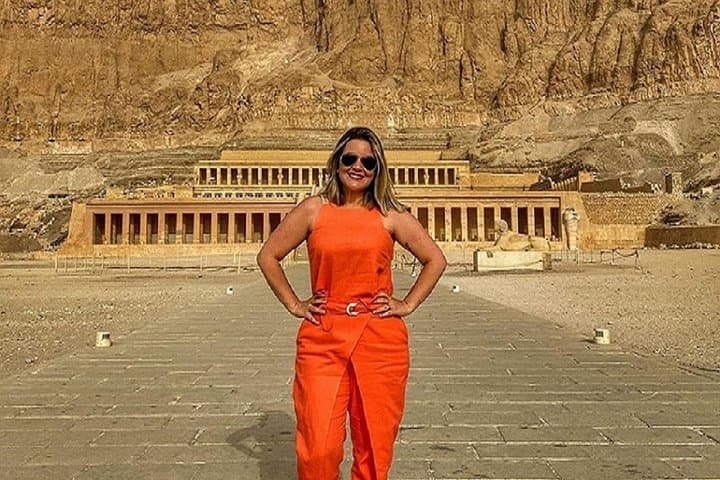
The route compresses millennia: Saqqara’s Step Pyramid (built in the 3rd Dynasty, c. 27th century BCE) shows the first experiments in monumental stone, while Dahshur’s Red and Bent Pyramids mark changes in engineering. Alexandria opens a different chapter—Hellenistic ruins and the Citadel of Qaitbay where the Mediterranean wind sharpens the skyline. Luxor’s East and West Banks display New Kingdom temples and tombs carved into the desert rock; the Valley of the Kings keeps its cool and secrecy beneath the surface.
Expect broad contrasts of coastal breezes, riverine palm fringe, and sun-exposed limestone. Cultural rhythms—prayer times, market bargaining—shape the day, and local guides translate stories that static plaques cannot.
Practicalities: this is a door-to-door private tour with long days on foot and uneven surfaces in archaeological sites. Pack sun protection, comfortable closed shoes, a light scarf for dust or religious sites, and photocopies of travel documents. Train rides between Cairo and Luxor are roughly 9–10 hours; arrange sleep and luggage accordingly. Bring a card for most museum and temple entrances and be ready for early departures to beat heat and crowds.
easy.
4 days (full-day sightseeing each day).
Suitable for travelers in basic walking fitness who can handle multiple 2–4 hour walking periods on uneven ground.
Entrance fees are not included; you will need to pay for site/museum tickets—most accept card payments but bring some Egyptian pounds for smaller kiosks.
The first-class sitting train typically takes about 9–10 hours; schedules vary so check departure times on booking day.
The tour is rated easy physically but includes long days and uneven surfaces; wheelchair-accessible arrangements are noted as available—confirm details with the operator.
Many nationalities require a visa for Egypt—check current entry requirements and have passport details ready for booking and train travel.
This itinerary stitches Hellenistic Alexandria, Pharaonic Memphis-Saqqara and New Kingdom Luxor into a rapid survey of Egypt’s layered past, from early stone pyramids to sprawling temple complexes.
Archaeological sites are sensitive—stick to marked paths, avoid touching reliefs, and follow guide instructions to limit wear on ancient structures.
Egypt Gift Tours operates guided outdoor trips and adventures with an emphasis on safety, stewardship, and memorable experiences.

You step out of your Cairo hotel into a city that hums—minarets calling, street vendors arranging spices, and the Nile pulling a slow ribbon of light through the heart of town. By mid-morning your private Egyptology guide is pointing out the Giza plateau’s massive silhouettes; later that night you’ll be settling into a first-class sitting train as it carries you south toward Luxor, the desert breathing around the rails.
You step out of your Cairo hotel into a city that hums—minarets calling, street vendors arranging spices, and the Nile pulling a slow ribbon of light through the heart of town. By mid-morning your private Egyptology guide is pointing out the Giza plateau’s massive silhouettes; later that night you’ll be settling into a first-class sitting train as it carries you south toward Luxor, the desert breathing around the rails.
The route compresses millennia: Saqqara’s Step Pyramid (built in the 3rd Dynasty, c. 27th century BCE) shows the first experiments in monumental stone, while Dahshur’s Red and Bent Pyramids mark changes in engineering. Alexandria opens a different chapter—Hellenistic ruins and the Citadel of Qaitbay where the Mediterranean wind sharpens the skyline. Luxor’s East and West Banks display New Kingdom temples and tombs carved into the desert rock; the Valley of the Kings keeps its cool and secrecy beneath the surface.
Expect broad contrasts of coastal breezes, riverine palm fringe, and sun-exposed limestone. Cultural rhythms—prayer times, market bargaining—shape the day, and local guides translate stories that static plaques cannot.
Practicalities: this is a door-to-door private tour with long days on foot and uneven surfaces in archaeological sites. Pack sun protection, comfortable closed shoes, a light scarf for dust or religious sites, and photocopies of travel documents. Train rides between Cairo and Luxor are roughly 9–10 hours; arrange sleep and luggage accordingly. Bring a card for most museum and temple entrances and be ready for early departures to beat heat and crowds.