THE ADVENTURE COLLECTIVE® · Independent discovery and booking for outdoor travel

See the Great Pyramid at dawn, walk among Saqqara’s early stonework, and tour the Egyptian Museum with a private guide. This four-day, door-to-door itinerary pairs onsite context with comfortable logistics for first-time and repeat visitors.
See the Great Pyramid at dawn, walk among Saqqara’s early stonework, and tour the Egyptian Museum with a private guide. This four-day, door-to-door itinerary pairs onsite context with comfortable logistics for first-time and repeat visitors.
The morning sun presses on the limestone of the Giza Plateau, warming the stone and throwing hard shadows across the Three Pyramids. You arrive before the busiest hours, the desert wind nudging sand across a path that has seen millennia of feet and sandals. A private guide waits with a plan: early access to the plateau, a slow walk around the Sphinx, then a drive to Sakkara where the Step Pyramid rises like the first experiment in vertical storytelling.
Verified experiences and guided adventures in the surrounding area.
Operated by Bastet Travel · Cairo, Cairo Governorate
The morning sun presses on the limestone of the Giza Plateau, warming the stone and throwing hard shadows across the Three Pyramids. You arrive before the busiest hours, the desert wind nudging sand across a path that has seen millennia of feet and sandals. A private guide waits with a plan: early access to the plateau, a slow walk around the Sphinx, then a drive to Sakkara where the Step Pyramid rises like the first experiment in vertical storytelling.
Cairo's story is layered — Pharaonic tombs cut from local limestone, later Islamic districts built of mudbrick and stone, and modern avenues threading through it all. Geology matters here: the Giza bedrock is relatively firm but eroded; tombs and mastabas show how ancient builders worked with local materials. Cultural life centers on markets and cafés: afternoons in Khan al-Khalili offer spices, copperware, and the cadence of bargaining.
Practically, expect uneven ground, short climbs, and long, sun-exposed walks. Early starts reduce heat and crowds; museums require time to absorb curated artifacts like Tutankhamun’s treasures. Use a local guide to navigate ticket lines and historical context — many nuances in dynastic chronology are best explained in person.
Pack sun protection, comfortable closed-toe shoes for limestone surfaces, and a reusable bottle for hydration. Plan for modest dress at religious sites, a small budget for tips and purchases, and at least one evening to wander Islamic Cairo’s rooftop cafés for skyline views. With a private vehicle and guide, this four-day itinerary balances intensive archaeology with practical comfort.
easy.
4 days.
Suitable for travelers of average fitness; expect several hours of walking each day on uneven ground
Entry to the primary archaeological sites listed in the itinerary (Giza, Sakkara, Egyptian Museum) is included according to the tour details; verify specifics with the operator at booking.
Transfers and some transportation are wheelchair accessible, but uneven terrain and steps at archaeological sites may limit full access — contact the operator to discuss needs.
Most visitors require a visa; requirements vary by nationality. Check the Egyptian embassy or official government sites and arrange visas before travel if required.
The tour provides an English-speaking private guide; other languages may be available on request when booking.
Cairo sits atop and beside layers of civilization: Memphis and the Giza Plateau date to the Old Kingdom, where pyramids served as monumental royal tombs and visible statements of state power.
High visitor numbers stress fragile stone and painted surfaces; stick to marked paths, avoid touching reliefs, and use refillable water to lower plastic waste.
Bastet Travel operates guided outdoor trips and adventures with an emphasis on safety, stewardship, and memorable experiences.
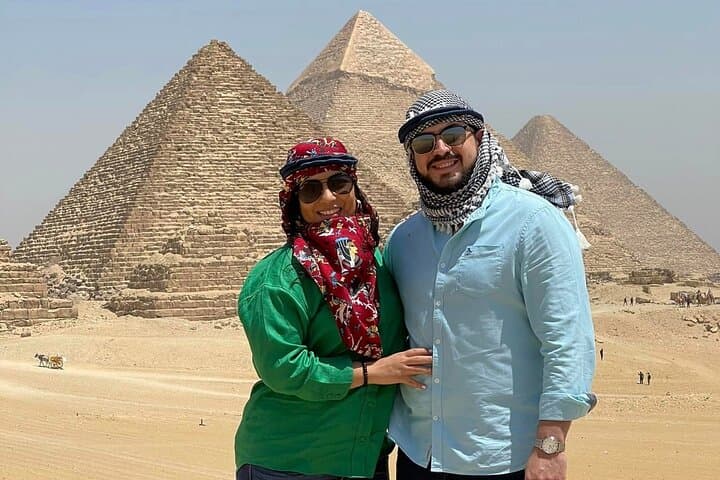
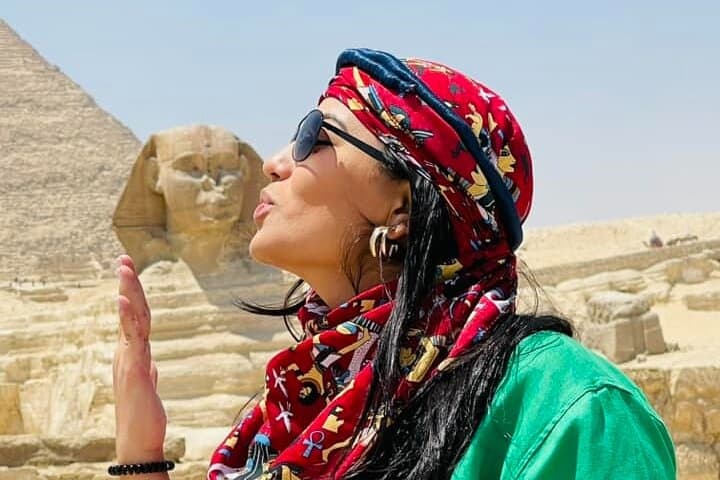
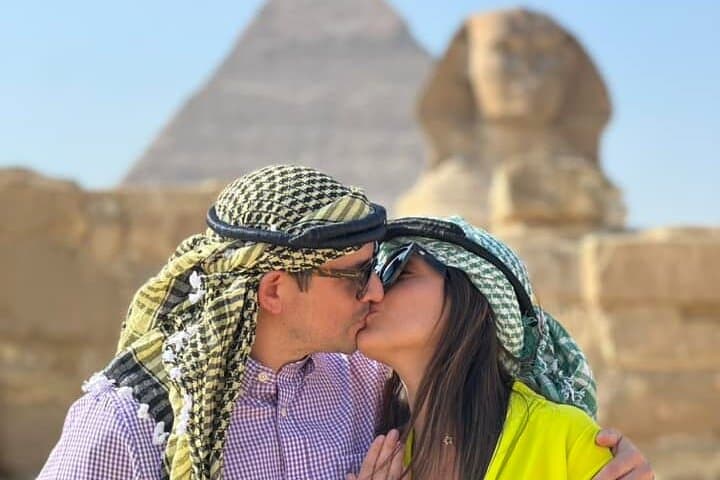
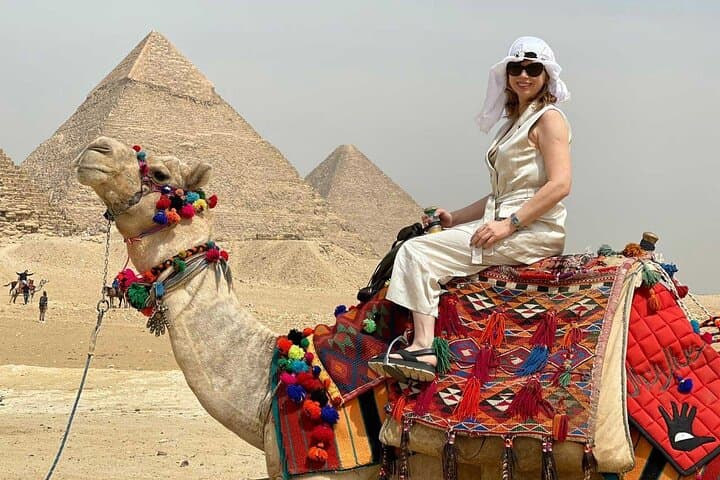
The morning sun presses on the limestone of the Giza Plateau, warming the stone and throwing hard shadows across the Three Pyramids. You arrive before the busiest hours, the desert wind nudging sand across a path that has seen millennia of feet and sandals. A private guide waits with a plan: early access to the plateau, a slow walk around the Sphinx, then a drive to Sakkara where the Step Pyramid rises like the first experiment in vertical storytelling.
The morning sun presses on the limestone of the Giza Plateau, warming the stone and throwing hard shadows across the Three Pyramids. You arrive before the busiest hours, the desert wind nudging sand across a path that has seen millennia of feet and sandals. A private guide waits with a plan: early access to the plateau, a slow walk around the Sphinx, then a drive to Sakkara where the Step Pyramid rises like the first experiment in vertical storytelling.
Cairo's story is layered — Pharaonic tombs cut from local limestone, later Islamic districts built of mudbrick and stone, and modern avenues threading through it all. Geology matters here: the Giza bedrock is relatively firm but eroded; tombs and mastabas show how ancient builders worked with local materials. Cultural life centers on markets and cafés: afternoons in Khan al-Khalili offer spices, copperware, and the cadence of bargaining.
Practically, expect uneven ground, short climbs, and long, sun-exposed walks. Early starts reduce heat and crowds; museums require time to absorb curated artifacts like Tutankhamun’s treasures. Use a local guide to navigate ticket lines and historical context — many nuances in dynastic chronology are best explained in person.
Pack sun protection, comfortable closed-toe shoes for limestone surfaces, and a reusable bottle for hydration. Plan for modest dress at religious sites, a small budget for tips and purchases, and at least one evening to wander Islamic Cairo’s rooftop cafés for skyline views. With a private vehicle and guide, this four-day itinerary balances intensive archaeology with practical comfort.