THE ADVENTURE COLLECTIVE® · Independent discovery and booking for outdoor travel

Spend four days tracking mountain gorillas in Bwindi’s Buhoma sector, staying in community-run cottages and joining village walks and birding. This private tour blends up-close wildlife encounters with cultural exchange and sustainable tourism practices.
Spend four days tracking mountain gorillas in Bwindi’s Buhoma sector, staying in community-run cottages and joining village walks and birding. This private tour blends up-close wildlife encounters with cultural exchange and sustainable tourism practices.
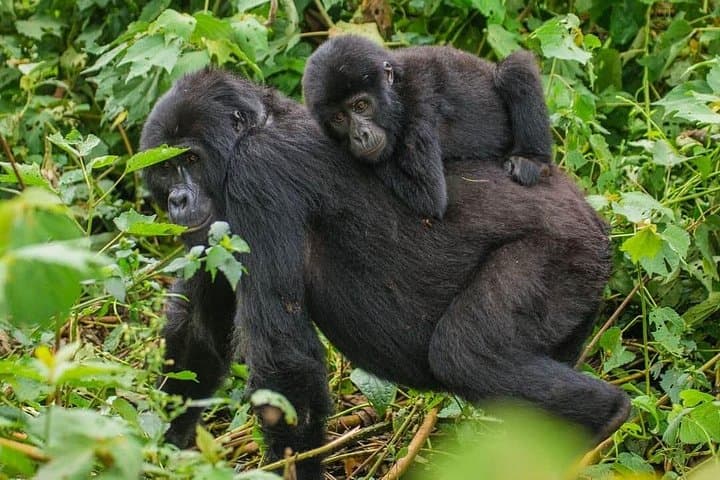
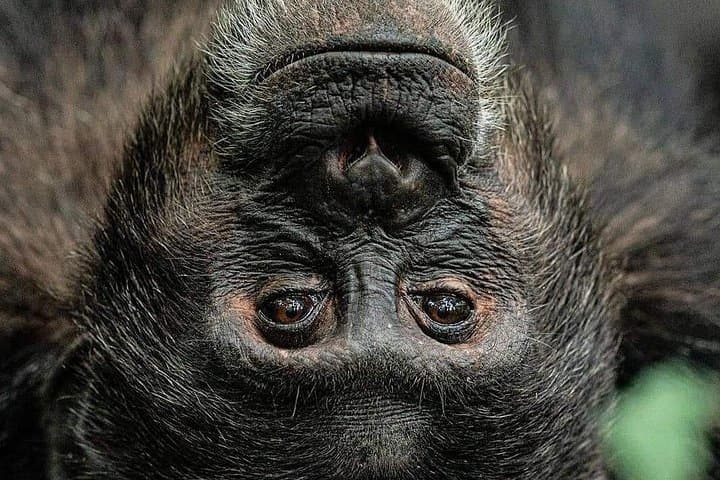
Dawn breaks over a compact green wall: the Bwindi Impenetrable Forest exhales mist that threads between giant ferns and moss-dripped trees. On day two the forest seems to push you forward, guiding footsteps into narrow, root-laced trails until a ranger’s whisper and the soft shuffle of gorillas announce a close encounter—one hour, face-to-face with a family that treats the forest like home.
Verified experiences and guided adventures in the surrounding area.
Operated by Adventures With Locals · Buhoma, Kisoro District
Dawn breaks over a compact green wall: the Bwindi Impenetrable Forest exhales mist that threads between giant ferns and moss-dripped trees. On day two the forest seems to push you forward, guiding footsteps into narrow, root-laced trails until a ranger’s whisper and the soft shuffle of gorillas announce a close encounter—one hour, face-to-face with a family that treats the forest like home.
Bwindi sits on the western rift of the Albertine Rift, its volcanic soils and steep ridges preserving one of Africa’s oldest montane forests. Designated a national park and UNESCO site in the early 1990s, it’s been central to Uganda’s conservation and community tourism efforts; many local villages now host visitors and share cultural rituals, crafts, and birding routes.
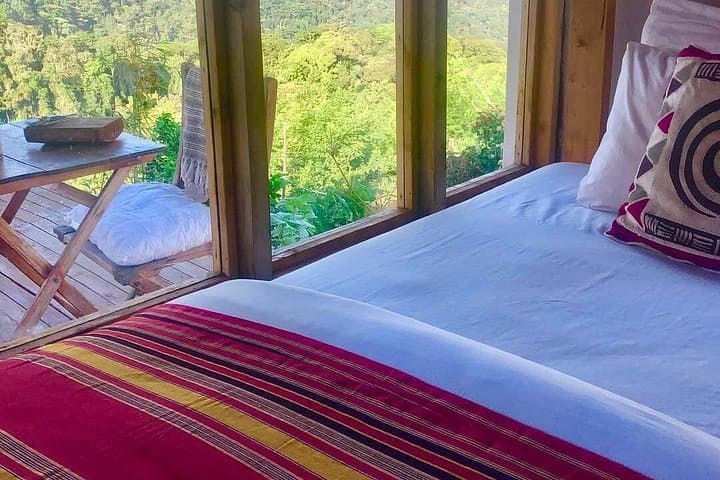
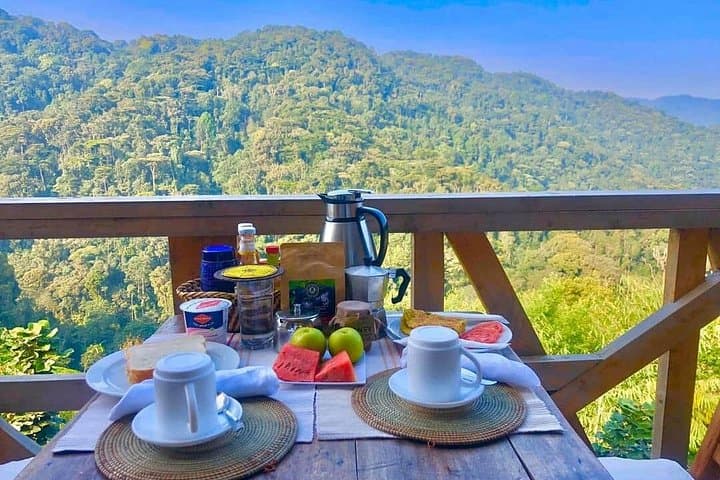
The four-day private itinerary moves from Kampala or Entebbe across rolling tea country to the park’s Buhoma edge, with community-based lodging and meals included. Expect a half-day gorilla briefing, a physically variable trek through muddy slopes and dense understory, and a full hour with habituated mountain gorillas when you find them. Between tracking sessions, the program offers village walks, birding, and traditional dance—an introduction to local livelihoods and the revenue-sharing that supports conservation.
Practical guidance: come prepared for steep, slippery terrain and sudden rain; layer for humidity and cooler nights; carry water, snacks, and any necessary medications. Respect ranger instructions around gorillas—no flash photography, maintain distance, and keep movements slow. With the right gear and a patient pace, four days in Bwindi is an intimate, responsible wildlife encounter that pairs raw forest presence with community-led stewardship.
moderate.
4 days.
Suitable for travelers in reasonable health who can hike several hours on uneven, sometimes steep terrain; mobility limitations may make tracking difficult
This itinerary indicates admission for the gorilla tracking day is included—confirm permit confirmation with the operator and carry ticket proof.
Difficulty varies from easy to strenuous depending on gorilla movement—treks can last a few hours and involve steep, muddy slopes; a basic level of fitness is recommended.
Travelers should be up to date on routine vaccinations and consult a travel clinic about yellow fever requirements and malaria prophylaxis; carry personal medications and a basic first-aid kit.
Photography is allowed but avoid flash and keep movement slow; follow the ranger’s distance and behavior guidelines to protect both you and the gorillas.
Bwindi was gazetted in the early 1990s and gained UNESCO World Heritage status soon after, recognizing its unique montane forest and endemic species.
Revenue from permits and community tourism programs supports anti-poaching patrols and local development; visitors are asked to minimize disturbance and follow leave-no-trace practices.
Adventures With Locals operates guided outdoor trips and adventures with an emphasis on safety, stewardship, and memorable experiences.
Dawn breaks over a compact green wall: the Bwindi Impenetrable Forest exhales mist that threads between giant ferns and moss-dripped trees. On day two the forest seems to push you forward, guiding footsteps into narrow, root-laced trails until a ranger’s whisper and the soft shuffle of gorillas announce a close encounter—one hour, face-to-face with a family that treats the forest like home.
Dawn breaks over a compact green wall: the Bwindi Impenetrable Forest exhales mist that threads between giant ferns and moss-dripped trees. On day two the forest seems to push you forward, guiding footsteps into narrow, root-laced trails until a ranger’s whisper and the soft shuffle of gorillas announce a close encounter—one hour, face-to-face with a family that treats the forest like home.
Bwindi sits on the western rift of the Albertine Rift, its volcanic soils and steep ridges preserving one of Africa’s oldest montane forests. Designated a national park and UNESCO site in the early 1990s, it’s been central to Uganda’s conservation and community tourism efforts; many local villages now host visitors and share cultural rituals, crafts, and birding routes.
The four-day private itinerary moves from Kampala or Entebbe across rolling tea country to the park’s Buhoma edge, with community-based lodging and meals included. Expect a half-day gorilla briefing, a physically variable trek through muddy slopes and dense understory, and a full hour with habituated mountain gorillas when you find them. Between tracking sessions, the program offers village walks, birding, and traditional dance—an introduction to local livelihoods and the revenue-sharing that supports conservation.
Practical guidance: come prepared for steep, slippery terrain and sudden rain; layer for humidity and cooler nights; carry water, snacks, and any necessary medications. Respect ranger instructions around gorillas—no flash photography, maintain distance, and keep movements slow. With the right gear and a patient pace, four days in Bwindi is an intimate, responsible wildlife encounter that pairs raw forest presence with community-led stewardship.