THE ADVENTURE COLLECTIVE® · Independent discovery and booking for outdoor travel

A four-day loop from Ulleri to Poon Hill and Ghandruk that delivers sunrise views of Annapurna and Dhaulagiri, rhododendron forests, and Gurung village life. Expect steep stone steps, teahouse stays and early starts for the classic summit sunrise.
A four-day loop from Ulleri to Poon Hill and Ghandruk that delivers sunrise views of Annapurna and Dhaulagiri, rhododendron forests, and Gurung village life. Expect steep stone steps, teahouse stays and early starts for the classic summit sunrise.
Before dawn the trail is a line of headlamps threading through red-barked rhododendron and tall oaks, and by the time you crest Poon Hill the first light slides along Annapurna and Dhaulagiri like a slow reveal. The view is immediate—snow ridgelines, sheer faces and terraces dropping toward the Pokhara basin—an alpine panorama earned by steep stairways and hours of steady uphill.
Verified experiences and guided adventures in the surrounding area.
Operated by Sarangkot Treks and Expedition Pvt. Ltd. · Pokhara, Gandaki Province
Before dawn the trail is a line of headlamps threading through red-barked rhododendron and tall oaks, and by the time you crest Poon Hill the first light slides along Annapurna and Dhaulagiri like a slow reveal. The view is immediate—snow ridgelines, sheer faces and terraces dropping toward the Pokhara basin—an alpine panorama earned by steep stairways and hours of steady uphill.
This route follows traditional mule tracks used for centuries by Gurung communities; small stone houses and terraced fields speak to a mountain way of life shaped by elevation and monsoon rhythms. Geologically the Annapurna massif is young and rugged—glaciated cirques and sharp ridgelines give way to softer foothills covered in rhododendron, the national flower you’ll pass in bloom during spring.
Expect dirt trails, long stone steps (especially at Ulleri), occasional river crossings and full days of walking that typically range from moderate uphill push to rolling ridge sections. Teahouses in Ghorepani and Ghandruk offer basic hot meals and beds; lodgings are simple but warm.
Plan for an early wake-up (Poon Hill sunrise often means a 4–5 a.m. start), layered clothing for large temperature swings, and a conservative pace above 2,500 m to reduce altitude strain. Hydrate, carry cash for teahouses and tips, and use trekking poles to ease knee stress on long descents. With moderate fitness and respect for the trail, this four-day loop is a compact, culture-rich way to see Annapurna up close.
moderate.
4 days (3–6 hours trekking per day).
Good steady cardio and leg strength recommended; should be comfortable walking 3–6 hours with elevation gain.
Foreign visitors typically need a TIMS card and Annapurna Conservation Area Permit (ACAP); guides or agencies usually arrange these before departure.
Spring (March–May) for rhododendron blooms and autumn (Sept–Nov) for the clearest mountain views; monsoon months bring heavy rain and winter can drop snow at higher elevations.
Days are moderate: expect several hours of uphill and downhill on uneven stone steps and dirt trails; a basic level of fitness and prior hiking experience helps.
Teahouses are basic but serviceable—private rooms are simple, hot showers may be limited, and meals are predominantly Dal Bhat, noodles and soups.
Gurung communities have inhabited these slopes for generations; many trails were traditional trade and mule routes linking high pastures and lowland markets.
This area is within the Annapurna Conservation Area—stay on trails, limit single-use plastics and use local guides and teahouses to support community-based conservation.
Sarangkot Treks and Expedition Pvt. Ltd. operates guided outdoor trips and adventures with an emphasis on safety, stewardship, and memorable experiences.
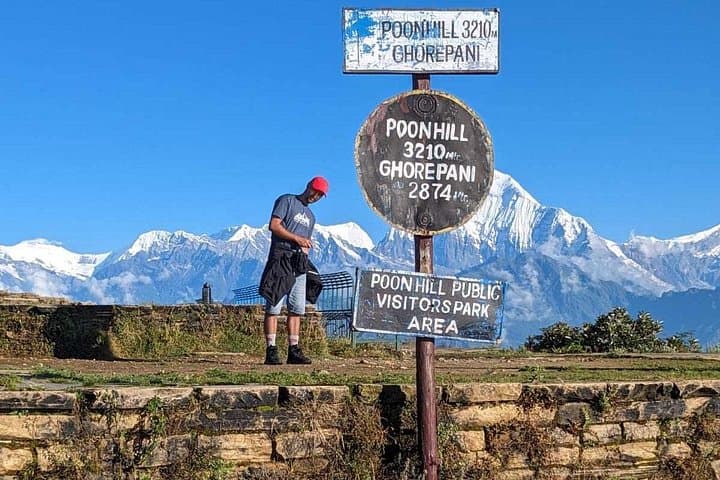
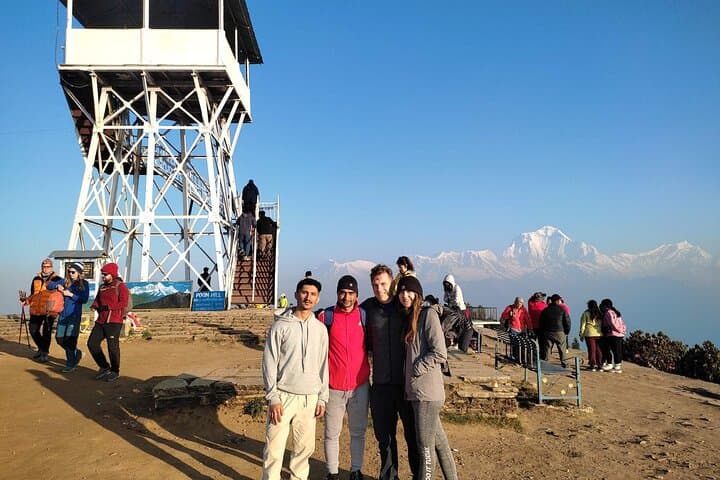
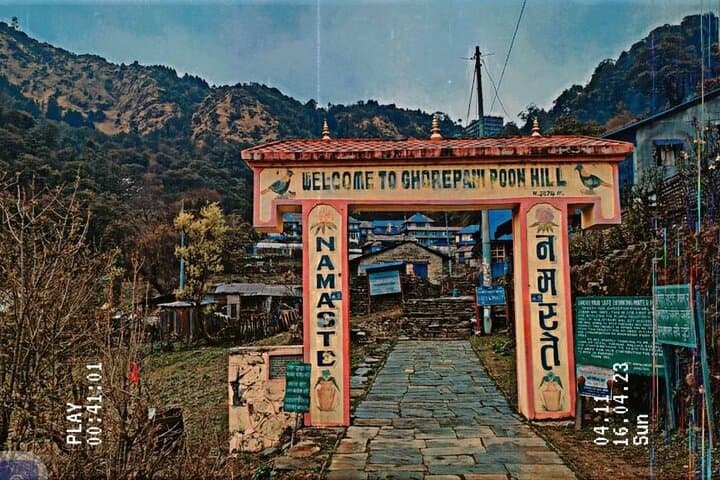
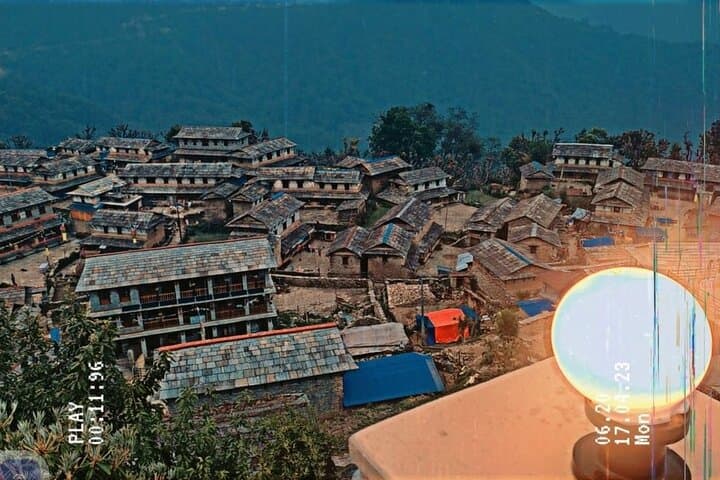
Before dawn the trail is a line of headlamps threading through red-barked rhododendron and tall oaks, and by the time you crest Poon Hill the first light slides along Annapurna and Dhaulagiri like a slow reveal. The view is immediate—snow ridgelines, sheer faces and terraces dropping toward the Pokhara basin—an alpine panorama earned by steep stairways and hours of steady uphill.
Before dawn the trail is a line of headlamps threading through red-barked rhododendron and tall oaks, and by the time you crest Poon Hill the first light slides along Annapurna and Dhaulagiri like a slow reveal. The view is immediate—snow ridgelines, sheer faces and terraces dropping toward the Pokhara basin—an alpine panorama earned by steep stairways and hours of steady uphill.
This route follows traditional mule tracks used for centuries by Gurung communities; small stone houses and terraced fields speak to a mountain way of life shaped by elevation and monsoon rhythms. Geologically the Annapurna massif is young and rugged—glaciated cirques and sharp ridgelines give way to softer foothills covered in rhododendron, the national flower you’ll pass in bloom during spring.
Expect dirt trails, long stone steps (especially at Ulleri), occasional river crossings and full days of walking that typically range from moderate uphill push to rolling ridge sections. Teahouses in Ghorepani and Ghandruk offer basic hot meals and beds; lodgings are simple but warm.
Plan for an early wake-up (Poon Hill sunrise often means a 4–5 a.m. start), layered clothing for large temperature swings, and a conservative pace above 2,500 m to reduce altitude strain. Hydrate, carry cash for teahouses and tips, and use trekking poles to ease knee stress on long descents. With moderate fitness and respect for the trail, this four-day loop is a compact, culture-rich way to see Annapurna up close.