THE ADVENTURE COLLECTIVE® · Independent discovery and booking for outdoor travel

Short, accessible and spectacular: the 4-day Poon Hill Trek offers Himalayan sunrise vistas from 3,210 m, winding through terraced fields, rhododendron forests and traditional Gurung villages. Perfect for hikers of average fitness who want a quick Himalayan immersion.
Short, accessible and spectacular: the 4-day Poon Hill Trek offers Himalayan sunrise vistas from 3,210 m, winding through terraced fields, rhododendron forests and traditional Gurung villages. Perfect for hikers of average fitness who want a quick Himalayan immersion.
A thin ribbon of headlamps threads up the stone steps before dawn, the air tasting of wood smoke and cold. By the time the first pale fingers of light lift over the shadowed ridgelines, Poon Hill (3,210 m) gives up a staggered skyline: Annapurna, Dhaulagiri, Machapuchare and Manaslu in serrated silhouette. The moment is alive—wind moving through rhododendron, a distant bell from a teahouse—and brief.
Verified experiences and guided adventures in the surrounding area.
Operated by The Great Adventure Treks & Expedition - Private Day Tours · Pokhara, Gandaki Province
A thin ribbon of headlamps threads up the stone steps before dawn, the air tasting of wood smoke and cold. By the time the first pale fingers of light lift over the shadowed ridgelines, Poon Hill (3,210 m) gives up a staggered skyline: Annapurna, Dhaulagiri, Machapuchare and Manaslu in serrated silhouette. The moment is alive—wind moving through rhododendron, a distant bell from a teahouse—and brief.
The route follows ancient mule tracks and village lanes used for centuries by Gurung and Magar communities. Geologically the trail skirts the Lesser Himalaya: terraced farmland gives way to pine, oak and dense rhododendron at higher belts. Culturally the trek is as much about teahouse hospitality and hillside farms as it is about summits—visitors pass small shrines, tea houses carved into slopes, and stone mani walls.
Practically, expect moderate walking: daily stages are short but steep in places, with stone staircases and muddy switchbacks after rain. Altitude is moderate—Poon Hill’s viewpoint reaches 3,210 m—but most travelers acclimatize easily on this 4-day schedule that starts and finishes near Pokhara. Bring layered clothing for the sunrise chill and sturdy boots for uneven terrain. Plan early starts if you want clear, cloud-free mountain light; monsoon months cloud the vistas.
Teahouses supply hot meals and basic rooms; carry cash and a refill bottle. The trek rewards minimal planning with maximum payoff: sweeping panoramas, close cultural encounters, and forested trails that quietly push you uphill to one of the Himalaya’s most memorable morning views.
moderate.
4 days.
Suitable for hikers with regular aerobic fitness; expect 3–6 hour walking days with uphill sections and stairs
Yes—trekkers require the Annapurna Conservation Area Permit (ACAP) and a TIMS card; guides or local operators typically arrange these before departure.
Risk is low for most people because the highest point is 3,210 m, but monitor symptoms and ascend slowly—drink water and rest if you feel unwell.
Teahouses provide basic private or shared rooms and hot meals; facilities are rustic—bring a sleeping liner for extra warmth and hygiene comfort.
Yes—many families and first-time trekkers complete Poon Hill; choose a relaxed pace and communicate any health concerns before booking.
The Ghorepani–Poon Hill route follows old pack-animal tracks linking hill communities; the area’s Gurung and Magar villages preserve traditional hill agriculture and festivals.
This trek lies inside the Annapurna Conservation Area—follow Leave No Trace practices, use established trails, and support local teahouses to minimize ecological impact.
The Great Adventure Treks & Expedition - Private Day Tours operates guided outdoor trips and adventures with an emphasis on safety, stewardship, and memorable experiences.

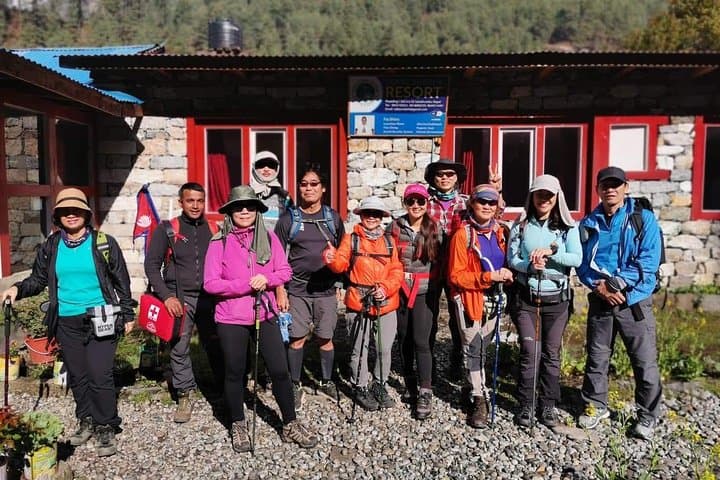
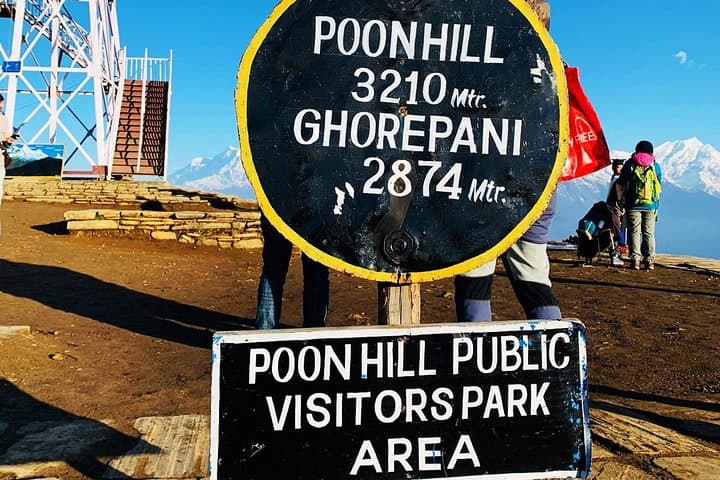
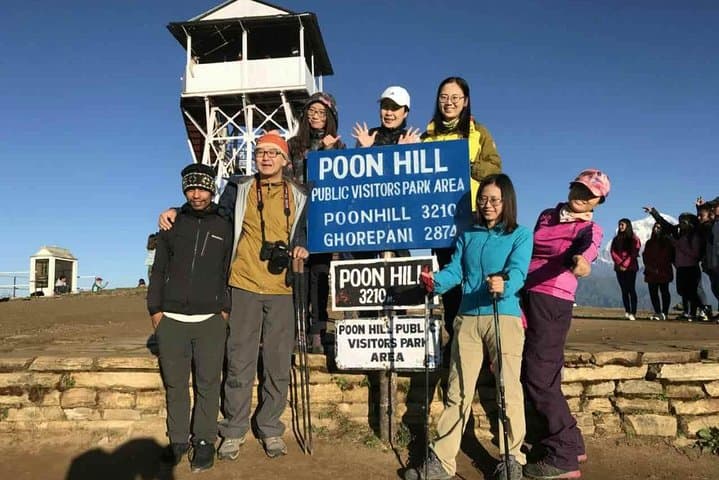
A thin ribbon of headlamps threads up the stone steps before dawn, the air tasting of wood smoke and cold. By the time the first pale fingers of light lift over the shadowed ridgelines, Poon Hill (3,210 m) gives up a staggered skyline: Annapurna, Dhaulagiri, Machapuchare and Manaslu in serrated silhouette. The moment is alive—wind moving through rhododendron, a distant bell from a teahouse—and brief.
A thin ribbon of headlamps threads up the stone steps before dawn, the air tasting of wood smoke and cold. By the time the first pale fingers of light lift over the shadowed ridgelines, Poon Hill (3,210 m) gives up a staggered skyline: Annapurna, Dhaulagiri, Machapuchare and Manaslu in serrated silhouette. The moment is alive—wind moving through rhododendron, a distant bell from a teahouse—and brief.
The route follows ancient mule tracks and village lanes used for centuries by Gurung and Magar communities. Geologically the trail skirts the Lesser Himalaya: terraced farmland gives way to pine, oak and dense rhododendron at higher belts. Culturally the trek is as much about teahouse hospitality and hillside farms as it is about summits—visitors pass small shrines, tea houses carved into slopes, and stone mani walls.
Practically, expect moderate walking: daily stages are short but steep in places, with stone staircases and muddy switchbacks after rain. Altitude is moderate—Poon Hill’s viewpoint reaches 3,210 m—but most travelers acclimatize easily on this 4-day schedule that starts and finishes near Pokhara. Bring layered clothing for the sunrise chill and sturdy boots for uneven terrain. Plan early starts if you want clear, cloud-free mountain light; monsoon months cloud the vistas.
Teahouses supply hot meals and basic rooms; carry cash and a refill bottle. The trek rewards minimal planning with maximum payoff: sweeping panoramas, close cultural encounters, and forested trails that quietly push you uphill to one of the Himalaya’s most memorable morning views.