THE ADVENTURE COLLECTIVE® · Independent discovery and booking for outdoor travel

Watch Annapurna and Dhaulagiri erupt in color from Poon Hill on a four-day teahouse trek that pairs sunrise panoramas with Gurung village culture. This accessible loop combines rhododendron forests, classic stone steps and friendly mountain hospitality.
Watch Annapurna and Dhaulagiri erupt in color from Poon Hill on a four-day teahouse trek that pairs sunrise panoramas with Gurung village culture. This accessible loop combines rhododendron forests, classic stone steps and friendly mountain hospitality.
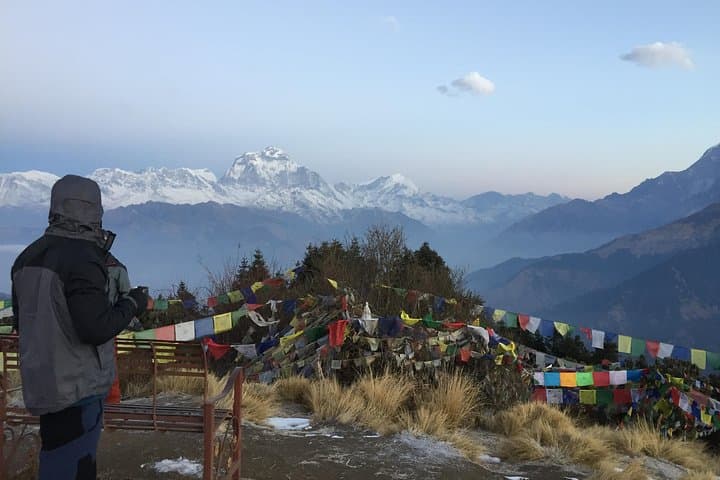
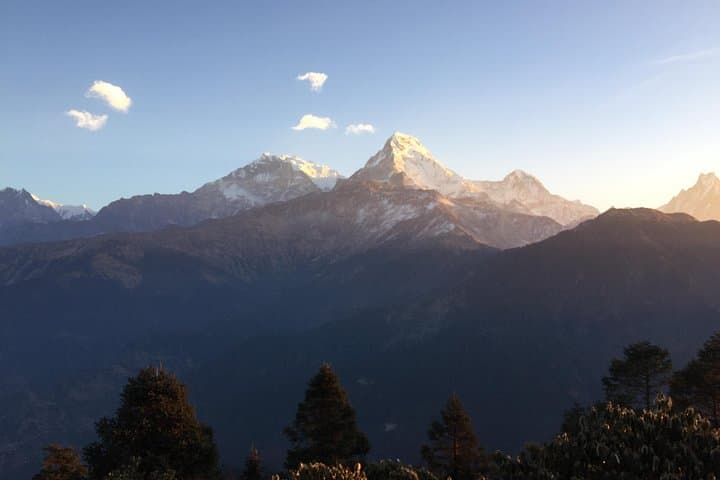
A cold pre-dawn hush holds the ridge as you climb toward Poon Hill, headlamp bobbing and breath visible in the thin air. The first light fractures the Himalayan skyline—Dhaulagiri, Annapurna I and Machapuchare—each peak pushing skyward like a patient challenge. Below, terraced fields and teahouses scatter across the slopes; the trail steps and stone staircases move like a pulse through rhododendron forest.
Verified experiences and guided adventures in the surrounding area.
Operated by Peak to Peak Tours and Treks Pvt Ltd · Ghorepani, Gandaki Province
A cold pre-dawn hush holds the ridge as you climb toward Poon Hill, headlamp bobbing and breath visible in the thin air. The first light fractures the Himalayan skyline—Dhaulagiri, Annapurna I and Machapuchare—each peak pushing skyward like a patient challenge. Below, terraced fields and teahouses scatter across the slopes; the trail steps and stone staircases move like a pulse through rhododendron forest.
This four-day loop follows classic tea-house routes used by local traders and villagers for generations. Geologically the region is young: folded metamorphic rock and steep river-cut valleys reveal how the Himalaya continue to rise. Culturally, the trail runs through Gurung communities—Ghandruk offers homestays, traditional songs and a small museum that explains local agricultural life and Gurung history.
Expect 4 days of steady hiking: Nayapul to Ulleri/Tadapani, on to Ghorepani, a dawn ascent to Poon Hill, then down through Ghandruk back to Pokhara. Terrain is steep stone steps, packed dirt trails, and forest with occasional muddy stretches. Tea houses provide basic dorms and hot meals; you’ll carry a daypack while porters handle larger bags if arranged.
Practical edge: start early for Poon Hill sunrise to avoid crowds, drink regularly at altitude, and carry cash for teahouses. Comfortable hikers in reasonable shape can manage 4–6 hours walking a day; no technical climbing skills required. The Annapurna Conservation Area manages permits—pack out trash, respect local customs, and leave the fragile alpine slopes as you found them.
moderate.
4 days.
Suitable for hikers who can walk 4–6 hours a day on uneven terrain and manage sustained climbs; basic cardiovascular fitness and stair-climbing ability recommended.
Yes—Annapurna Conservation Area Permit (ACAP) and TIMS are required and usually included by reputable operators; you’ll also carry ID copies.
The route is considered accessible for fit beginners: no technical skills required, but expect long days on steep steps and some altitude gain.
Overnight stays are at local tea houses offering dorm-style rooms, simple private rooms when available, shared bathrooms and meals in common dining areas.
Clear, cool mornings and warmer midday in spring/fall; heavy rain in monsoon summer; cold nights and possible snow in winter—pack layers and a rain shell.
Ghandruk and surrounding settlements are traditional Gurung villages that served as local trading and pastoral hubs, with layers of oral history and unique cultural practices.
The Annapurna Conservation Area Project manages permits and promotes sustainable trekking—support local tea houses, minimize plastic use, and pack out waste where possible.
Peak to Peak Tours and Treks Pvt Ltd operates guided outdoor trips and adventures with an emphasis on safety, stewardship, and memorable experiences.

A cold pre-dawn hush holds the ridge as you climb toward Poon Hill, headlamp bobbing and breath visible in the thin air. The first light fractures the Himalayan skyline—Dhaulagiri, Annapurna I and Machapuchare—each peak pushing skyward like a patient challenge. Below, terraced fields and teahouses scatter across the slopes; the trail steps and stone staircases move like a pulse through rhododendron forest.
A cold pre-dawn hush holds the ridge as you climb toward Poon Hill, headlamp bobbing and breath visible in the thin air. The first light fractures the Himalayan skyline—Dhaulagiri, Annapurna I and Machapuchare—each peak pushing skyward like a patient challenge. Below, terraced fields and teahouses scatter across the slopes; the trail steps and stone staircases move like a pulse through rhododendron forest.
This four-day loop follows classic tea-house routes used by local traders and villagers for generations. Geologically the region is young: folded metamorphic rock and steep river-cut valleys reveal how the Himalaya continue to rise. Culturally, the trail runs through Gurung communities—Ghandruk offers homestays, traditional songs and a small museum that explains local agricultural life and Gurung history.
Expect 4 days of steady hiking: Nayapul to Ulleri/Tadapani, on to Ghorepani, a dawn ascent to Poon Hill, then down through Ghandruk back to Pokhara. Terrain is steep stone steps, packed dirt trails, and forest with occasional muddy stretches. Tea houses provide basic dorms and hot meals; you’ll carry a daypack while porters handle larger bags if arranged.
Practical edge: start early for Poon Hill sunrise to avoid crowds, drink regularly at altitude, and carry cash for teahouses. Comfortable hikers in reasonable shape can manage 4–6 hours walking a day; no technical climbing skills required. The Annapurna Conservation Area manages permits—pack out trash, respect local customs, and leave the fragile alpine slopes as you found them.