THE ADVENTURE COLLECTIVE® · Independent discovery and booking for outdoor travel

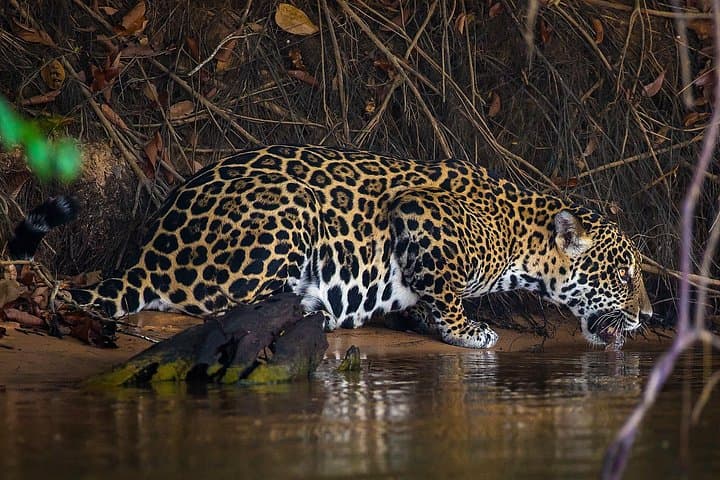
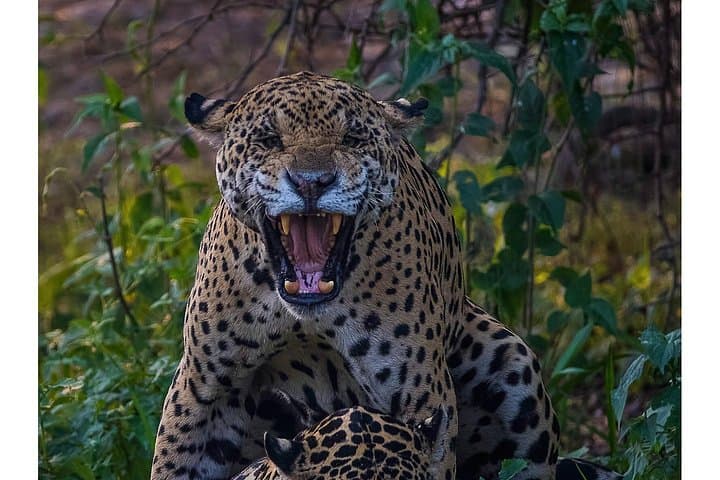
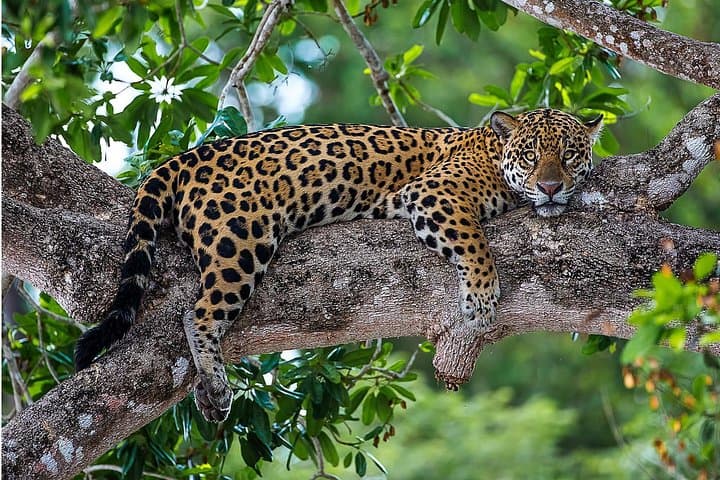
Four days of attentive safaris on the Transpantaneira, staying at private lodges and searching for jaguar, giant otter and hyacinth macaw. Expect early starts, boat rides and guided night drives designed for photography and close wildlife encounters.
Four days of attentive safaris on the Transpantaneira, staying at private lodges and searching for jaguar, giant otter and hyacinth macaw. Expect early starts, boat rides and guided night drives designed for photography and close wildlife encounters.
The dawn here arrives in a slow, wet hush: mist peels off oxbow lakes while caiman eyes blink at the highway’s edge and the Transpantaneira’s wooden bridgeposts gleam like sentries. You’ll hit the road from Cuiabá, then slide onto the raised earth of the Transpantaneira, a ribbon of rutted track that dares you to look away from the flooded savanna.
Verified experiences and guided adventures in the surrounding area.
Operated by Pantanal Safaris · Poconé, Mato Grosso
The dawn here arrives in a slow, wet hush: mist peels off oxbow lakes while caiman eyes blink at the highway’s edge and the Transpantaneira’s wooden bridgeposts gleam like sentries. You’ll hit the road from Cuiabá, then slide onto the raised earth of the Transpantaneira, a ribbon of rutted track that dares you to look away from the flooded savanna.
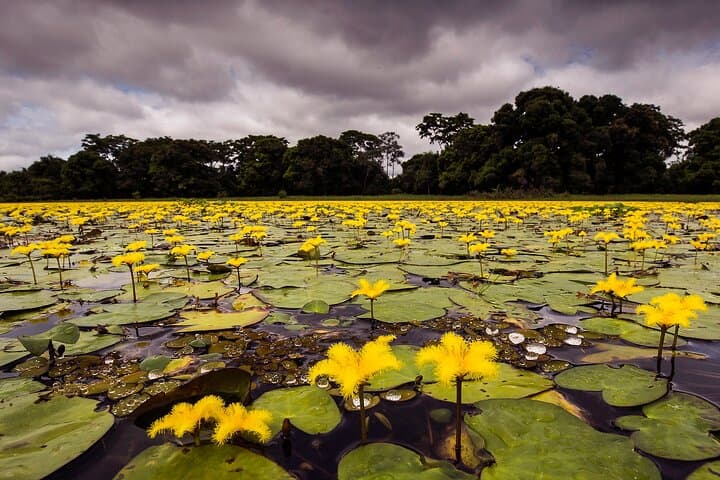
This four-day circuit centers on private pousadas and lodges—Pousada Piuval, Rio Claro and Pantanal Mato Grosso—each sited for close access to gallery forest, marsh and river channels. Geologically, the Pantanal is the world’s largest tropical wetland: a seasonally flooded floodplain whose water patterns concentrate game and birds into predictable corridors. Culturally the region is shaped by pantaneiro cattle ranching; you’ll see jangling cattle hands and low wooden stockades that speak to a ranching life adapted to floods.
Expect early starts and late drives: mornings for walks and birding, afternoons for boat rides, and night safaris when the marsh dares nocturnal species out of hiding. Guides position vehicles and boats for photography—an asset for wildlife-focused visitors seeking jaguar, giant otter, hyacinth macaw, capybara and anteater sightings.
Practicalities: accommodations are lodge-style with included meals and water refills; travel is on unpaved roads and brief boat transfers. Pack insect protection, waterproof footwear, layered clothing for variable temps, and binoculars. The dry season concentrates wildlife and shortens boating distances, while the wet season floods the plains and shifts routes—plan according to the species you most want to see.
moderate.
4 days.
Suitable for travelers in average physical condition; involves early starts, short walks, boat rides and some bumpy vehicle travel
No—this tour is guided and suitable for most fitness levels; guides handle wildlife spotting and photography positioning.
Yes—accommodation, three breakfasts, lunches and dinners are included as described, with water refills provided during the day.
Sightings are possible but not guaranteed; jaguars are more often seen in the dry season when prey concentrates on rivers and lagoons.
Consult your doctor for recommended vaccinations for Brazil and bring anti-malarial advice if visiting remote Pantanal areas; standard travel health precautions apply.
The Pantanal is a sedimentary floodplain shaped over millennia by the Paraguay River; ranching cultures (pantaneiros) adapted cattle husbandry to seasonal floods.
The Pantanal is sensitive to deforestation and upstream water use; choose operators that follow low-impact routes and support local conservation and responsible wildlife viewing.
Pantanal Safaris operates guided outdoor trips and adventures with an emphasis on safety, stewardship, and memorable experiences.
The dawn here arrives in a slow, wet hush: mist peels off oxbow lakes while caiman eyes blink at the highway’s edge and the Transpantaneira’s wooden bridgeposts gleam like sentries. You’ll hit the road from Cuiabá, then slide onto the raised earth of the Transpantaneira, a ribbon of rutted track that dares you to look away from the flooded savanna.
The dawn here arrives in a slow, wet hush: mist peels off oxbow lakes while caiman eyes blink at the highway’s edge and the Transpantaneira’s wooden bridgeposts gleam like sentries. You’ll hit the road from Cuiabá, then slide onto the raised earth of the Transpantaneira, a ribbon of rutted track that dares you to look away from the flooded savanna.
This four-day circuit centers on private pousadas and lodges—Pousada Piuval, Rio Claro and Pantanal Mato Grosso—each sited for close access to gallery forest, marsh and river channels. Geologically, the Pantanal is the world’s largest tropical wetland: a seasonally flooded floodplain whose water patterns concentrate game and birds into predictable corridors. Culturally the region is shaped by pantaneiro cattle ranching; you’ll see jangling cattle hands and low wooden stockades that speak to a ranching life adapted to floods.
Expect early starts and late drives: mornings for walks and birding, afternoons for boat rides, and night safaris when the marsh dares nocturnal species out of hiding. Guides position vehicles and boats for photography—an asset for wildlife-focused visitors seeking jaguar, giant otter, hyacinth macaw, capybara and anteater sightings.
Practicalities: accommodations are lodge-style with included meals and water refills; travel is on unpaved roads and brief boat transfers. Pack insect protection, waterproof footwear, layered clothing for variable temps, and binoculars. The dry season concentrates wildlife and shortens boating distances, while the wet season floods the plains and shifts routes—plan according to the species you most want to see.