THE ADVENTURE COLLECTIVE® · Independent discovery and booking for outdoor travel

Four days from Hanoi takes you into Vietnam’s northernmost karst plateau: twisting passes, ethnic hilltowns and the Ma Pi Leng overlook above the Nho Que River. This private tour balances driving, short hikes and cultural stops for immersive landscape photography and local encounters.
Four days from Hanoi takes you into Vietnam’s northernmost karst plateau: twisting passes, ethnic hilltowns and the Ma Pi Leng overlook above the Nho Que River. This private tour balances driving, short hikes and cultural stops for immersive landscape photography and local encounters.
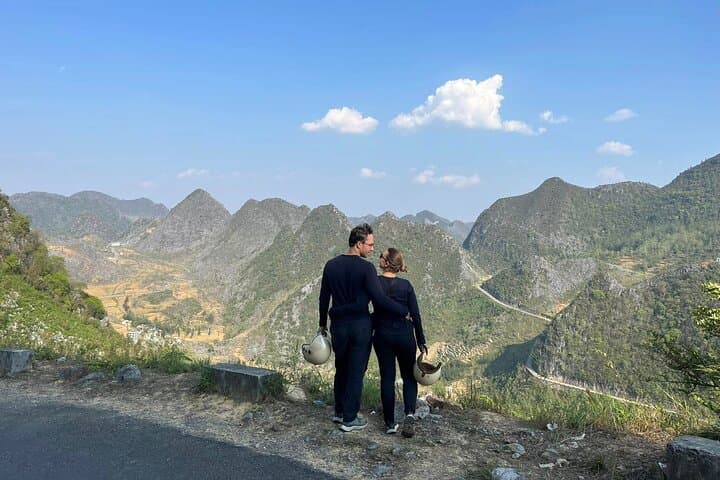
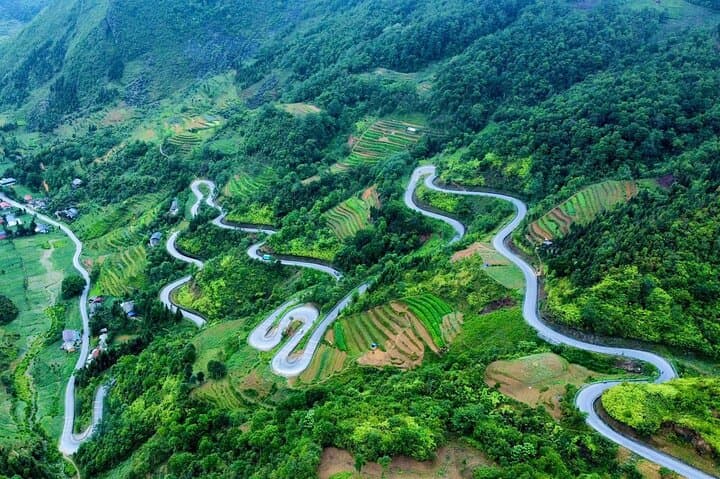
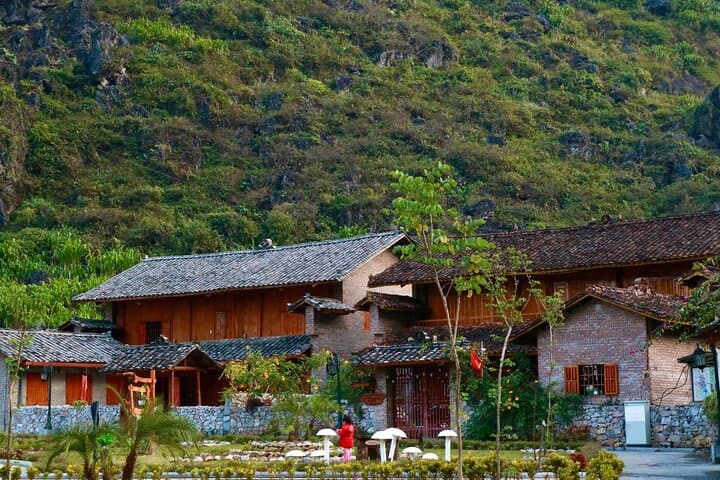
You push away from Hanoi’s organized chaos before dawn and the road becomes the rhythm of the trip: rivers shrink to silver threads, rice terraces fold into steep ridgelines, and limestone towers rise like old roofs. By midday the Lo River corridor opens into high karst pavement; by sunset, small homestays in Yao and Hmong villages glow with lantern light.
Verified experiences and guided adventures in the surrounding area.
Operated by Authentuc PU LUONG · Ha Giang, Ha Giang Province
You push away from Hanoi’s organized chaos before dawn and the road becomes the rhythm of the trip: rivers shrink to silver threads, rice terraces fold into steep ridgelines, and limestone towers rise like old roofs. By midday the Lo River corridor opens into high karst pavement; by sunset, small homestays in Yao and Hmong villages glow with lantern light.
Ha Giang sits at Vietnam’s northern edge where the Dong Van Karst Plateau Geopark records 250 million years of limestone uplift. Centuries of ethnic migration — Hmong, Tay, Lo Lo and others — shaped stone-walled fields and narrow village lanes. The Vuong (Hmong King) Palace in Sa Phin and the weekly Dong Van market are living chapters of local history and exchange.
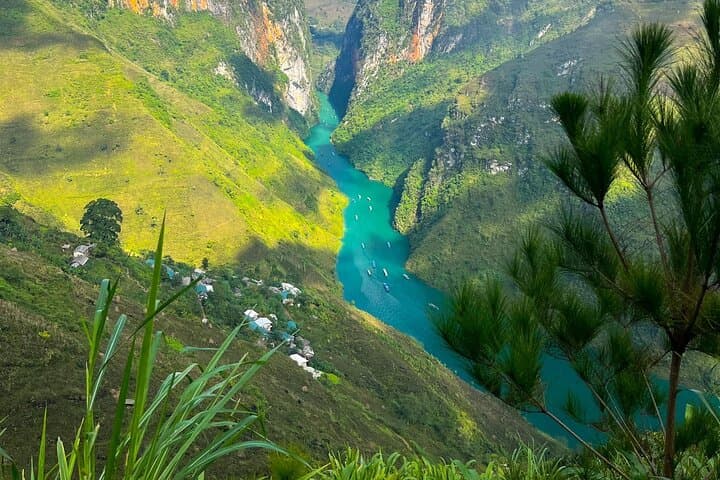
Geology here is raw: mafic ridges give way to karst pavements and precipitous passes like Ma Pi Leng, where the Nho Que River dares the cliffs below. Culture is immediate—market calls, brocaded garments, and homestay cooking that alters your sense of time.
Practical edge: the loop is driven largely by vehicle with short guided walks (up to 1.5 hours) and several photo stops. Expect long seat times on narrow mountain roads; plan for altitude changes, sudden weather, and limited cash in villages. Bring layered clothing, a reliable rain shell, and sturdy walking shoes. Sunrise and late afternoon light deliver the best photos and cooler temperatures; midday can be hazy in the monsoon. This private four-day itinerary is suited to travelers who want maximum landscape immersion with minimal technical demands.
moderate.
4 days.
Suitable for most fitness levels; involves several short village walks (up to 1.5 hours) and extended periods in a vehicle.
Most days include 3–6 hours of driving broken by multiple stops; transfers cover the bulk of distances between villages and viewpoints.
Yes—three nights in local homestays or 2–3 star hotels are included, offering simple, culturally immersive stays.
The tour is private and paced for general travelers, but narrow, winding roads and long drives may be challenging for very young children or those with mobility issues.
All sightseeing tickets and travel permits listed in the itinerary are included with the tour, so no extra permit purchase is typically required.
The Dong Van Karst Plateau is a UNESCO-recognized geopark; Sa Phin Valley holds the 1902 Vuong Chinh Sinh (Hmong King) Palace, a relic of early 20th-century local rulership.
The karst plateau is ecologically fragile—stay on paths, avoid feeding wildlife, minimize plastic waste, and support homestays that practice low-impact tourism.
Authentuc PU LUONG operates guided outdoor trips and adventures with an emphasis on safety, stewardship, and memorable experiences.
You push away from Hanoi’s organized chaos before dawn and the road becomes the rhythm of the trip: rivers shrink to silver threads, rice terraces fold into steep ridgelines, and limestone towers rise like old roofs. By midday the Lo River corridor opens into high karst pavement; by sunset, small homestays in Yao and Hmong villages glow with lantern light.
You push away from Hanoi’s organized chaos before dawn and the road becomes the rhythm of the trip: rivers shrink to silver threads, rice terraces fold into steep ridgelines, and limestone towers rise like old roofs. By midday the Lo River corridor opens into high karst pavement; by sunset, small homestays in Yao and Hmong villages glow with lantern light.
Ha Giang sits at Vietnam’s northern edge where the Dong Van Karst Plateau Geopark records 250 million years of limestone uplift. Centuries of ethnic migration — Hmong, Tay, Lo Lo and others — shaped stone-walled fields and narrow village lanes. The Vuong (Hmong King) Palace in Sa Phin and the weekly Dong Van market are living chapters of local history and exchange.
Geology here is raw: mafic ridges give way to karst pavements and precipitous passes like Ma Pi Leng, where the Nho Que River dares the cliffs below. Culture is immediate—market calls, brocaded garments, and homestay cooking that alters your sense of time.
Practical edge: the loop is driven largely by vehicle with short guided walks (up to 1.5 hours) and several photo stops. Expect long seat times on narrow mountain roads; plan for altitude changes, sudden weather, and limited cash in villages. Bring layered clothing, a reliable rain shell, and sturdy walking shoes. Sunrise and late afternoon light deliver the best photos and cooler temperatures; midday can be hazy in the monsoon. This private four-day itinerary is suited to travelers who want maximum landscape immersion with minimal technical demands.