THE ADVENTURE COLLECTIVE® · Independent discovery and booking for outdoor travel

Move from the milky terraces of Pamukkale to the marble streets of Ephesus and the lunar valleys of Cappadocia in four days. This active, multi-site tour pairs archaeology, geology and living Anatolian craft with practical walking-focused exploration.
Move from the milky terraces of Pamukkale to the marble streets of Ephesus and the lunar valleys of Cappadocia in four days. This active, multi-site tour pairs archaeology, geology and living Anatolian craft with practical walking-focused exploration.
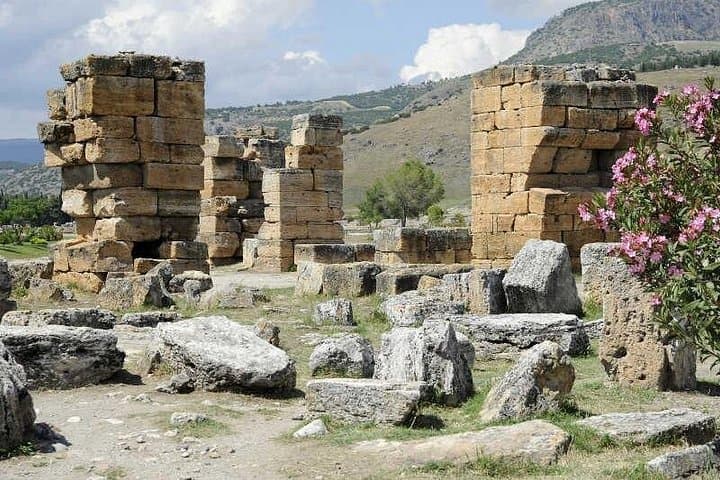
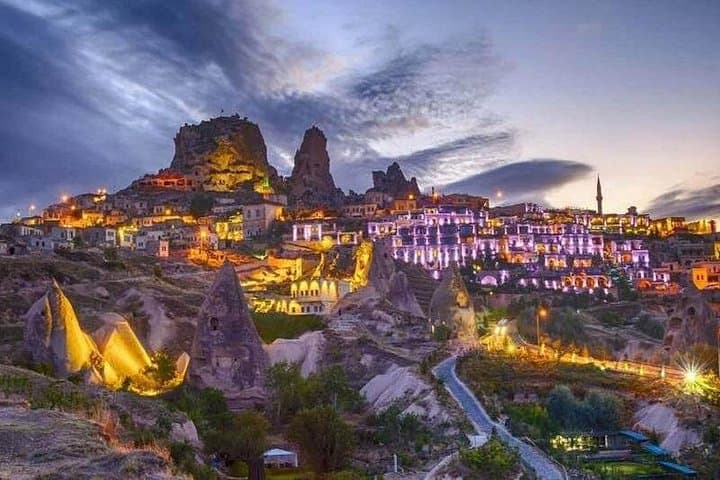
You step off the minivan into a bright Anatolian morning: steaming calcium terraces spill in tiers below, and the ruined white steps of Hierapolis sit like an abandoned theatre where time moves slower. Over four days you move from mineral-white Pamukkale to the sun-baked marble avenues of Ephesus and then into Cappadocia’s sculpted moonscape where fairy chimneys rise like the remnants of a slow volcanic wind.
Verified experiences and guided adventures in the surrounding area.
Operated by Yuki Tours · Pamukkale, Denizli Province
You step off the minivan into a bright Anatolian morning: steaming calcium terraces spill in tiers below, and the ruined white steps of Hierapolis sit like an abandoned theatre where time moves slower. Over four days you move from mineral-white Pamukkale to the sun-baked marble avenues of Ephesus and then into Cappadocia’s sculpted moonscape where fairy chimneys rise like the remnants of a slow volcanic wind.
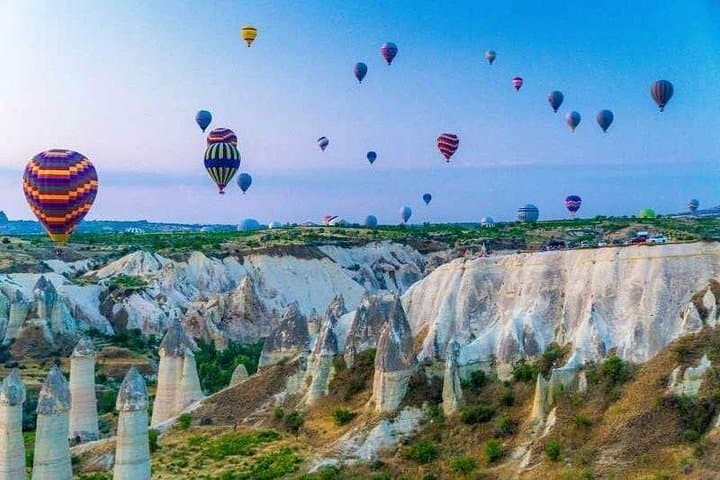
These sites trace millennia—Hierapolis grew as a Roman spa city atop thermal springs; Ephesus was a port powerhouse with a marble library and mosaic streets; Cappadocia’s hoodoos formed when tuff and ignimbrite eroded under wind and water, later hollowed into churches and underground refuges by Byzantine communities.
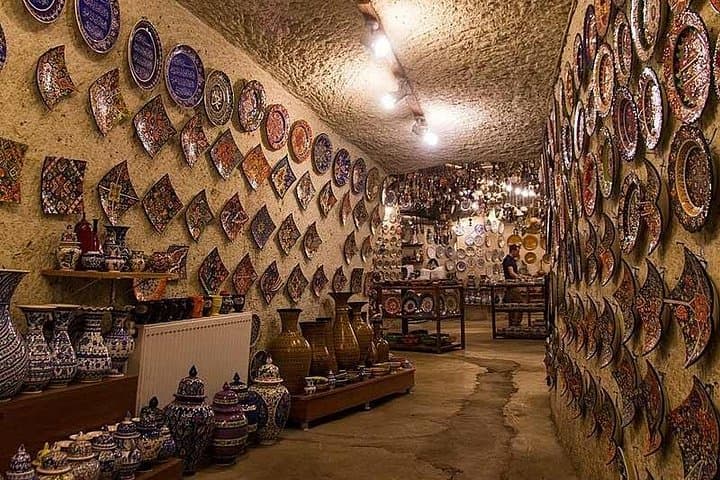
Expect hands-on cultural moments: a pottery demonstration in Avanos, stone-hewn churches and the House of the Virgin Mary at Ephesus, plus the claustrophobic corridors of a subterranean city. Dawn in Cappadocia often brings dozens of balloons gliding overhead—an atmospheric show rather than a guaranteed activity on this itinerary.
Practical guidance: plan for lots of walking on uneven surfaces and stairs—good footwear and a small daypack matter. Hydrate between sites; shade is limited at the travertines and Ephesus. Mornings are cooler and less crowded, so schedule the big ruins early. Carry cash for small vendors and modest entrance fees, and respect archaeological paths—stay off fragile travertines and rock faces. With solid shoes, sun protection and a readiness for varied terrain, this compact loop delivers layered history, geological spectacle and authentic Anatolian culture in four active days.
moderate.
4 days.
Moderate fitness—able to walk 3–6 miles across uneven terrain and climb stairs over multiple days.
Yes—domestic flights Istanbul–Kayseri and Kayseri–Izmir are listed as included in the itinerary.
No—balloon flights are a common optional activity in Cappadocia and must be booked separately; they depend on weather and operator availability.
Yes—sites such as Ephesus and Hierapolis include staircases and uneven ancient stone; be prepared for repeated short climbs.
Ephesus and some Cappadocia sites note admission included in the itinerary, but verify specifics with the operator for each day and any optional sites.
Hierapolis thrived as a Roman thermal city and pilgrimage site; Ephesus was a major Greco-Roman port and cultural center, while Cappadocia’s cave dwellings reflect centuries of volcanic geology and Byzantine carving.
Do not walk on active travertine terraces or remove stones; stick to paths and local guidelines to protect fragile geological and archaeological features.
Yuki Tours operates guided outdoor trips and adventures with an emphasis on safety, stewardship, and memorable experiences.
You step off the minivan into a bright Anatolian morning: steaming calcium terraces spill in tiers below, and the ruined white steps of Hierapolis sit like an abandoned theatre where time moves slower. Over four days you move from mineral-white Pamukkale to the sun-baked marble avenues of Ephesus and then into Cappadocia’s sculpted moonscape where fairy chimneys rise like the remnants of a slow volcanic wind.
You step off the minivan into a bright Anatolian morning: steaming calcium terraces spill in tiers below, and the ruined white steps of Hierapolis sit like an abandoned theatre where time moves slower. Over four days you move from mineral-white Pamukkale to the sun-baked marble avenues of Ephesus and then into Cappadocia’s sculpted moonscape where fairy chimneys rise like the remnants of a slow volcanic wind.
These sites trace millennia—Hierapolis grew as a Roman spa city atop thermal springs; Ephesus was a port powerhouse with a marble library and mosaic streets; Cappadocia’s hoodoos formed when tuff and ignimbrite eroded under wind and water, later hollowed into churches and underground refuges by Byzantine communities.
Expect hands-on cultural moments: a pottery demonstration in Avanos, stone-hewn churches and the House of the Virgin Mary at Ephesus, plus the claustrophobic corridors of a subterranean city. Dawn in Cappadocia often brings dozens of balloons gliding overhead—an atmospheric show rather than a guaranteed activity on this itinerary.
Practical guidance: plan for lots of walking on uneven surfaces and stairs—good footwear and a small daypack matter. Hydrate between sites; shade is limited at the travertines and Ephesus. Mornings are cooler and less crowded, so schedule the big ruins early. Carry cash for small vendors and modest entrance fees, and respect archaeological paths—stay off fragile travertines and rock faces. With solid shoes, sun protection and a readiness for varied terrain, this compact loop delivers layered history, geological spectacle and authentic Anatolian culture in four active days.