THE ADVENTURE COLLECTIVE® · Independent discovery and booking for outdoor travel

Board a traditional kelotok and follow the Sekonyer River into Tanjung Puting’s peat forests for four days of orangutan feeding camps, river villages and firefly-lit nights. This cabin-boat itinerary blends relaxed river travel with short treks and close wildlife encounters.
Board a traditional kelotok and follow the Sekonyer River into Tanjung Puting’s peat forests for four days of orangutan feeding camps, river villages and firefly-lit nights. This cabin-boat itinerary blends relaxed river travel with short treks and close wildlife encounters.
A low, brown kelotok slips out of Kumai at first light and the Sekonyer River narrows into a corridor of charcoal water and leaning mangroves. Morning mist clings to vine-laced trunks; the boat's engine hums and the river seems to dare you deeper into peat forest where sunlight filters in green slats.
Verified experiences and guided adventures in the surrounding area.
Operated by lookorangutan · Pangkalan Bun, Central Kalimantan
A low, brown kelotok slips out of Kumai at first light and the Sekonyer River narrows into a corridor of charcoal water and leaning mangroves. Morning mist clings to vine-laced trunks; the boat's engine hums and the river seems to dare you deeper into peat forest where sunlight filters in green slats.
Tanjung Puting is a mosaic of swamp forest, peat dome, freshwater swamps and mangrove—habitats that shaped conservation work here since the 1970s. Biruté Galdikas and Indonesian rangers built feeding camps such as Pondok Tanggui and Camp Leakey, turning this reach into one of the world’s foremost orangutan study and rehabilitation areas. Geologically the park sits on low-lying coastal plains and peat deposits; trails can be waterlogged and roots form the landscape’s rough language.
Culturally, river travel and the local Dayak communities define access—canoes, kelotoks and simple stilt houses line tributaries. Expect sightings of semi-wild orangutans at scheduled feeding times, proboscis monkeys on riverbanks, and nights lit by fireflies in the nipah fringe.
Practical guidance: the trip combines relaxed boat travel with short treks (1–2 km) on muddy, uneven trails. Bring a light rain shell and good grip shoes; insect protection and biodegradable toiletries are essential in peat systems. Schedule morning or late-afternoon feeding visits for the best wildlife viewing and quieter light. Respect ranger protocols at camps and avoid flash photography; these camps are active rehabilitation sites. With straightforward logistics—airport pickup, park fees and on-board accommodation included—this four-day cabin-boat itinerary is accessible for most travelers who want close, responsible encounters with Borneo’s riverine rainforest.
moderate.
4 days.
Suitable for travelers in average fitness who can manage short muddy treks and life aboard a small houseboat
Very likely at scheduled feeding camps (Pondok Tanggui, Camp Leakey) where semi-habituated orangutans visit; sightings in the wild along river corridors are possible but less predictable.
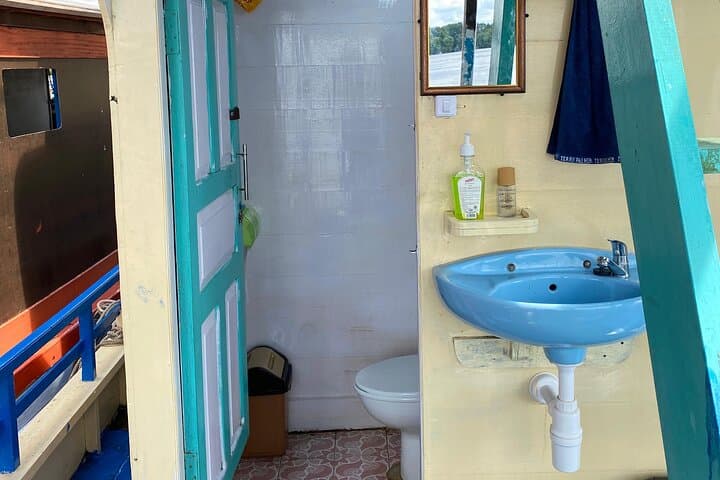
Basic facilities are provided on many houseboats—expect simple cold-water showers and composting or basic marine toilets; standards vary by operator.
Consult a travel clinic—vaccinations (typhoid, hepatitis A) are commonly recommended and malaria prophylaxis may be advised depending on the season and your itinerary.
Yes; the itinerary is gentle with boat transfers and short walks, but mobility limitations and medical needs should be discussed with the operator ahead of booking.
Conservation work in Tanjung Puting dates to the 1970s with long-term orangutan research and rehabilitation; the park later gained national protection to preserve peat swamp ecosystems.
Tourism funds feeding camps and ranger programs; visitors should minimize plastic, use reef- and forest-safe products, and follow ranger guidance to reduce disturbance.
lookorangutan operates guided outdoor trips and adventures with an emphasis on safety, stewardship, and memorable experiences.
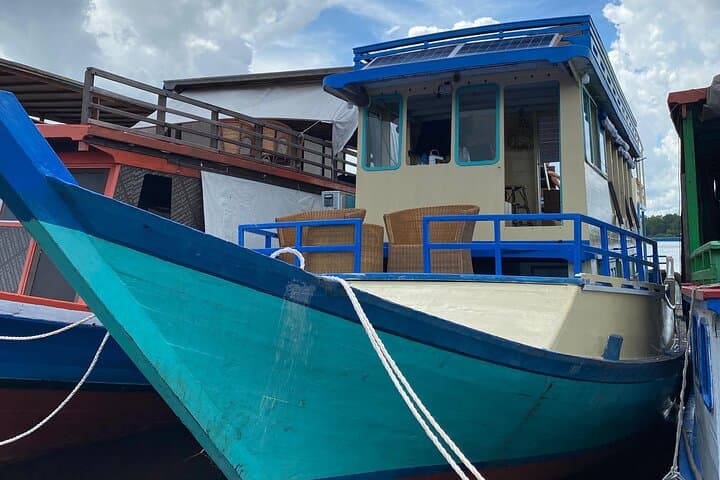
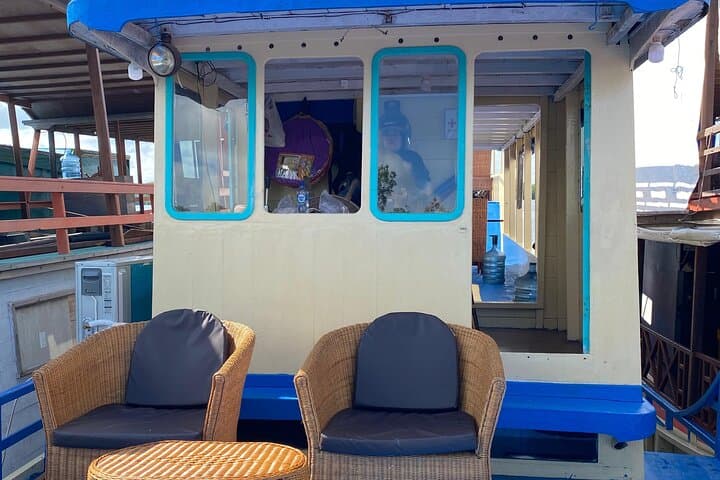
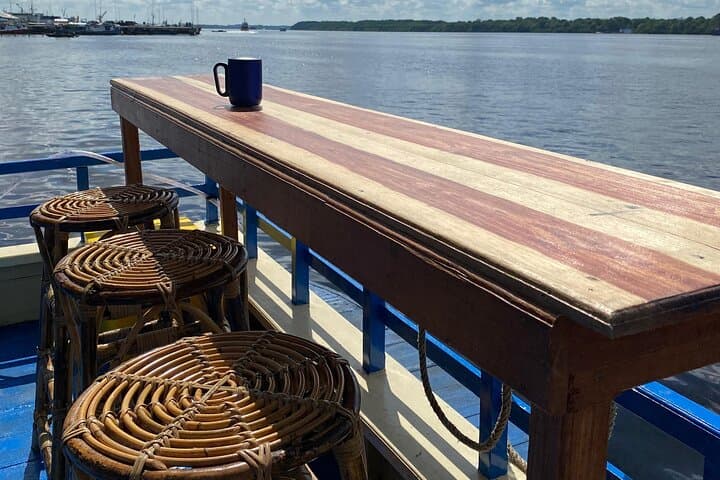
A low, brown kelotok slips out of Kumai at first light and the Sekonyer River narrows into a corridor of charcoal water and leaning mangroves. Morning mist clings to vine-laced trunks; the boat's engine hums and the river seems to dare you deeper into peat forest where sunlight filters in green slats.
A low, brown kelotok slips out of Kumai at first light and the Sekonyer River narrows into a corridor of charcoal water and leaning mangroves. Morning mist clings to vine-laced trunks; the boat's engine hums and the river seems to dare you deeper into peat forest where sunlight filters in green slats.
Tanjung Puting is a mosaic of swamp forest, peat dome, freshwater swamps and mangrove—habitats that shaped conservation work here since the 1970s. Biruté Galdikas and Indonesian rangers built feeding camps such as Pondok Tanggui and Camp Leakey, turning this reach into one of the world’s foremost orangutan study and rehabilitation areas. Geologically the park sits on low-lying coastal plains and peat deposits; trails can be waterlogged and roots form the landscape’s rough language.
Culturally, river travel and the local Dayak communities define access—canoes, kelotoks and simple stilt houses line tributaries. Expect sightings of semi-wild orangutans at scheduled feeding times, proboscis monkeys on riverbanks, and nights lit by fireflies in the nipah fringe.
Practical guidance: the trip combines relaxed boat travel with short treks (1–2 km) on muddy, uneven trails. Bring a light rain shell and good grip shoes; insect protection and biodegradable toiletries are essential in peat systems. Schedule morning or late-afternoon feeding visits for the best wildlife viewing and quieter light. Respect ranger protocols at camps and avoid flash photography; these camps are active rehabilitation sites. With straightforward logistics—airport pickup, park fees and on-board accommodation included—this four-day cabin-boat itinerary is accessible for most travelers who want close, responsible encounters with Borneo’s riverine rainforest.