THE ADVENTURE COLLECTIVE® · Independent discovery and booking for outdoor travel

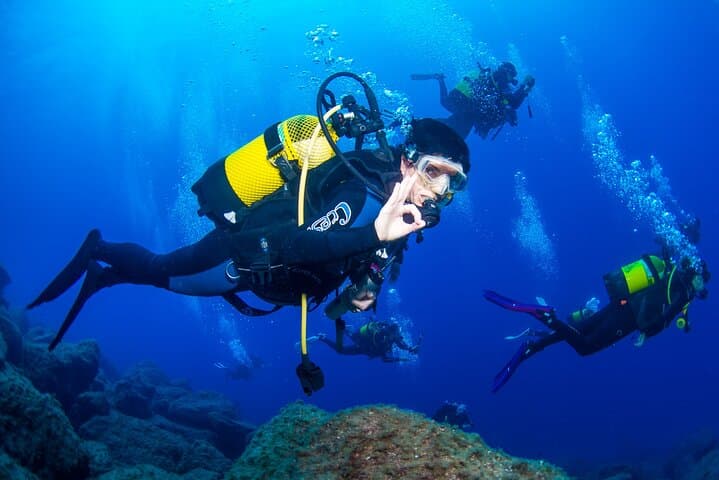
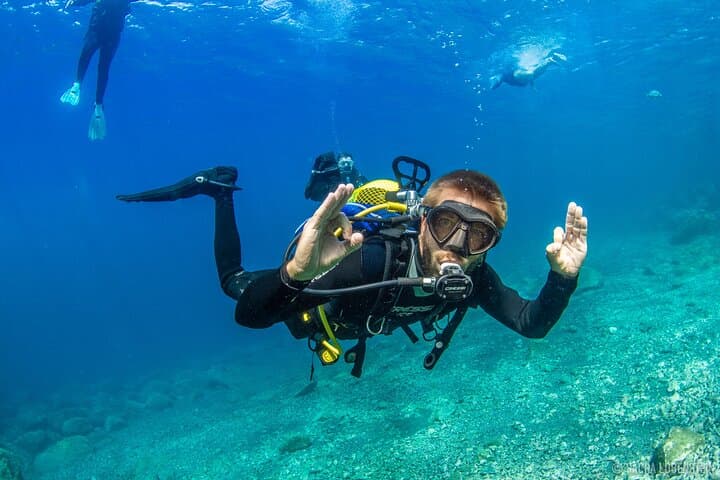
Spend four days training under SSI standards to earn an Open Water Diver certification off Tenerife. Two theory sessions and five sea sessions introduce buoyancy, safety, and Atlantic reef dives.
Spend four days training under SSI standards to earn an Open Water Diver certification off Tenerife. Two theory sessions and five sea sessions introduce buoyancy, safety, and Atlantic reef dives.
You stand on the pier as Atlantic swell nudges the hull; the harbor light slices through early mist while instructors check kit with methodical calm. Over four days Tenerife reshapes from seaside town into classroom — theory in a bright room, confined-water drills in calm bays, then open-water dives where volcanic rock and kelp ridges appear like ancient architecture beneath the surface.
Verified experiences and guided adventures in the surrounding area.
Operated by Macaronesian Divers · Los Cristianos, Santa Cruz de Tenerife
You stand on the pier as Atlantic swell nudges the hull; the harbor light slices through early mist while instructors check kit with methodical calm. Over four days Tenerife reshapes from seaside town into classroom — theory in a bright room, confined-water drills in calm bays, then open-water dives where volcanic rock and kelp ridges appear like ancient architecture beneath the surface.
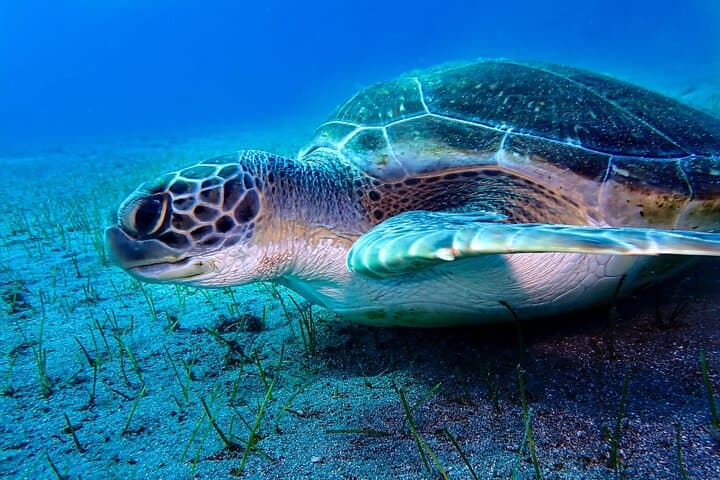
Tenerife’s coastline is volcanic: basalt cliffs, submerged lava fingers and caves formed by cooled flows. The Canary Islands’ currents bring nutrient-rich water that supports dense kelp forests and pockets of tropical species drifting in the warm Atlantic skin. Culturally, dives often start and end in small coastal villages where fishermen’s stories and fresh coffee ground the day’s learning.
Practical guidance: expect two classroom sessions and five sea sessions spread across sheltered bays and open dives. The course follows SSI standards — buoyancy, buddy protocols, emergency skills and navigation — culminating in an internationally recognized Open Water Diver certification. Water temperatures range from ~18–24°C; a 3mm wetsuit is typical.
Plan for modest daily physical exertion: brisk surface swims, repeated donning of kit, and concentration in shallow training pockets before deeper reef dives. Hydrate and rest between sessions; seasickness medication is an option if you’re prone to motion sickness. Bring a well-fitting mask and personal snorkel if you have them, and arrive with basic questions lined up — instructors expect curiosity. By the final dives the ocean’s current will feel less like an obstacle and more like a partner, pushing you along new lines of sight into Tenerife’s underwater world.
moderate.
4 days (approx. 16–20 hours of instruction and in-water practice).
Suitable for beginners with basic swimming comfort; be prepared for repeated surface swims and gear handling
No — the SSI Open Water program is designed for beginners and includes classroom theory, confined-water training and open-water dives.
Yes — use of scuba equipment is included, though many students bring their own mask and snorkel for personal fit.
Minimum age and medical restrictions vary; the course is not recommended for pregnant travelers or those with serious cardiovascular or spinal conditions — the operator will request health details at booking.
Sea temperatures typically range 18–24°C (64–75°F); a 3mm wetsuit is common, but check seasonal conditions and bring layers for surface intervals.
Tenerife’s shores are the result of volcanic eruptions over millions of years; many dive sites sit on exposed lava flows and submerged caves shaped by successive eruptions.
Local dive operators follow no-take and low-impact practices; use reef-safe sunscreen, avoid touching fauna and follow briefings to reduce damage to fragile kelp and invertebrates.
Macaronesian Divers operates guided outdoor trips and adventures with an emphasis on safety, stewardship, and memorable experiences.
You stand on the pier as Atlantic swell nudges the hull; the harbor light slices through early mist while instructors check kit with methodical calm. Over four days Tenerife reshapes from seaside town into classroom — theory in a bright room, confined-water drills in calm bays, then open-water dives where volcanic rock and kelp ridges appear like ancient architecture beneath the surface.
You stand on the pier as Atlantic swell nudges the hull; the harbor light slices through early mist while instructors check kit with methodical calm. Over four days Tenerife reshapes from seaside town into classroom — theory in a bright room, confined-water drills in calm bays, then open-water dives where volcanic rock and kelp ridges appear like ancient architecture beneath the surface.
Tenerife’s coastline is volcanic: basalt cliffs, submerged lava fingers and caves formed by cooled flows. The Canary Islands’ currents bring nutrient-rich water that supports dense kelp forests and pockets of tropical species drifting in the warm Atlantic skin. Culturally, dives often start and end in small coastal villages where fishermen’s stories and fresh coffee ground the day’s learning.
Practical guidance: expect two classroom sessions and five sea sessions spread across sheltered bays and open dives. The course follows SSI standards — buoyancy, buddy protocols, emergency skills and navigation — culminating in an internationally recognized Open Water Diver certification. Water temperatures range from ~18–24°C; a 3mm wetsuit is typical.
Plan for modest daily physical exertion: brisk surface swims, repeated donning of kit, and concentration in shallow training pockets before deeper reef dives. Hydrate and rest between sessions; seasickness medication is an option if you’re prone to motion sickness. Bring a well-fitting mask and personal snorkel if you have them, and arrive with basic questions lined up — instructors expect curiosity. By the final dives the ocean’s current will feel less like an obstacle and more like a partner, pushing you along new lines of sight into Tenerife’s underwater world.