THE ADVENTURE COLLECTIVE® · Independent discovery and booking for outdoor travel

Travel across the Omo River corridor from Jinka to Turmi on a four-day cultural circuit through Mago National Park. Meet Mursi, Hamer, Kara and Dasenech communities, attend markets and, if timed, witness traditional ceremonies.
Travel across the Omo River corridor from Jinka to Turmi on a four-day cultural circuit through Mago National Park. Meet Mursi, Hamer, Kara and Dasenech communities, attend markets and, if timed, witness traditional ceremonies.
You step off the short flight into Jinka and the heat hits first—dry, dust-laced air that seems to push you toward the rolling lowlands and the wide Omo River.
Verified experiences and guided adventures in the surrounding area.
Operated by Ethio Wildlife Tours · Jinka, Southern Nations, Nationalities, and Peoples' Region
You step off the short flight into Jinka and the heat hits first—dry, dust-laced air that seems to push you toward the rolling lowlands and the wide Omo River.
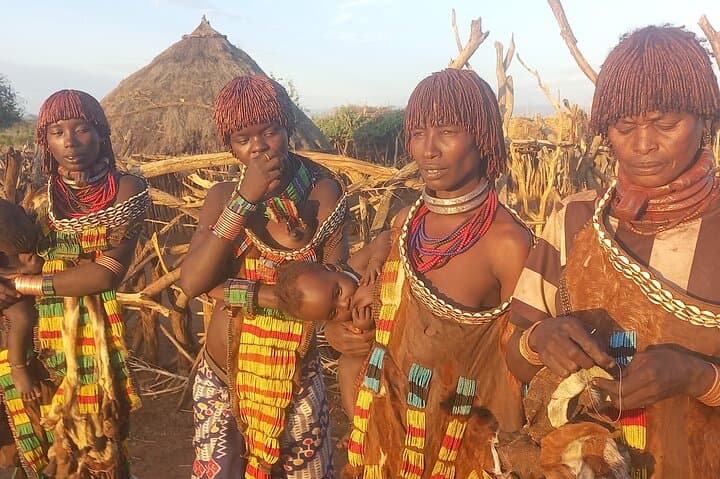
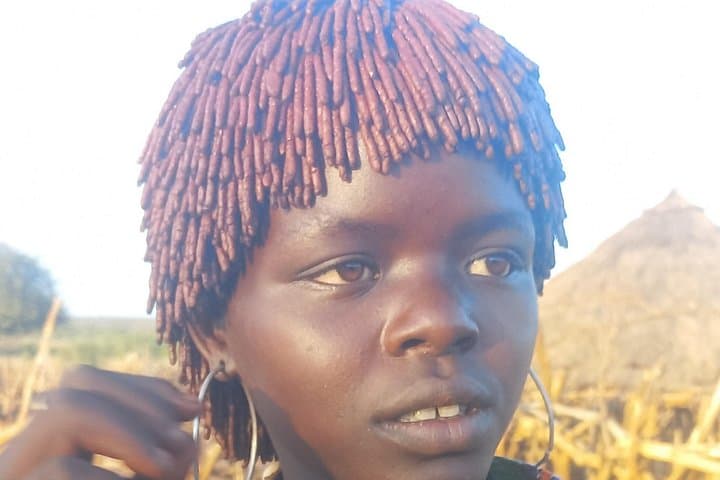
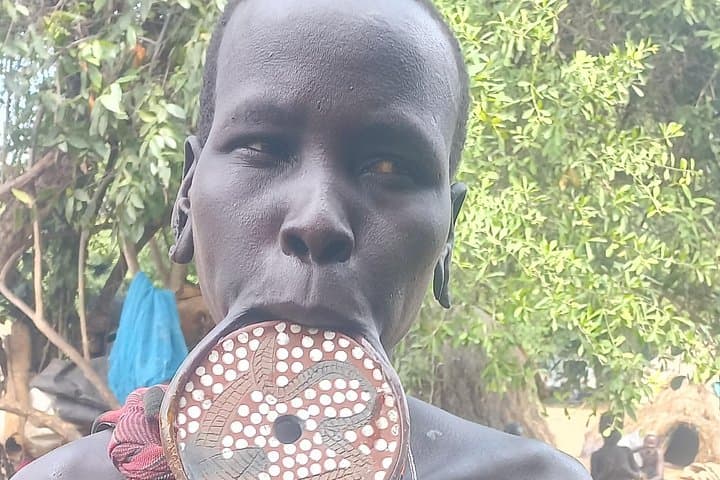
Over four days you'll travel in an air-conditioned vehicle across Mago National Park, cross the Omo in a traditional wooden boat, and walk short stretches through villages where painted bodies, lip plates and braided hair tell histories louder than words. The land is part of the East African Rift; the Omo has carved a corridor of alluvial plains and seasonal channels that feed into Lake Turkana, and the geology explains the fertile floodplains that sustain communities here.
This is a cultural landscape: the Mursi are known for lip plates, the Hamer for their bull-jumping rite, the Kara for body paint, and the Dasenech for riverside livelihoods. Markets—Keyafer or Demeka on market days—are working theaters of trade and exchange where artisans and farmers converge.
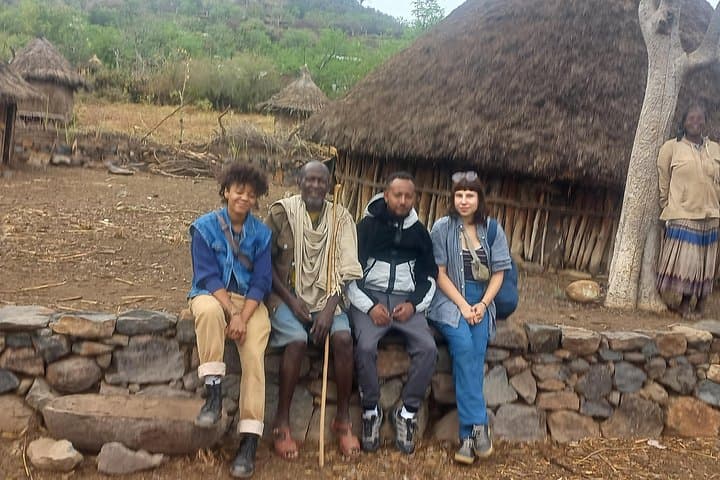
Practical edge: plan travel in the dry season for passable roads and predictable ceremonies; carry cash in small notes; ask before photographing people; and be ready for uneven tracks and short walks in heat. Health-wise, malaria prophylaxis, up-to-date vaccines and a basic first-aid kit are sensible. Expect simple lodge accommodations, communal meals, and guides who translate cultural context.
The tour offers close contact with living traditions; approach it with curiosity, patience, and respectful questions, and you'll leave with a clear sense of how river, geology and centuries of custom shape life along the Omo.
moderate.
4 days.
Moderate fitness: able to handle short walks on uneven ground, heat, and multi-hour drives between stops.
No—ceremonies like bull-jumping are seasonal and depend on local timing; guides will try to arrange visits but cannot promise them.
Consult a travel clinic: routine vaccines should be current and malaria prophylaxis is commonly recommended for the Omo Valley region.
The itinerary involves uneven paths, boat crossings, and long drives; it’s not recommended for those with serious mobility constraints or certain medical conditions.
Bring Ethiopian birr for purchases; guides speak English and sometimes other European languages, while local communities use languages like Mursi, Hamer and Nyangatom.
The Omo Valley has supported diverse ethnic groups for centuries and is adjacent to key archaeological sites where early hominid remains were found, linking human history to the landscape.
Water use, upstream development and tourism pressure affect river health and livelihoods; choose operators that support local communities and minimize waste and disturbance.
Ethio Wildlife Tours operates guided outdoor trips and adventures with an emphasis on safety, stewardship, and memorable experiences.
You step off the short flight into Jinka and the heat hits first—dry, dust-laced air that seems to push you toward the rolling lowlands and the wide Omo River.
You step off the short flight into Jinka and the heat hits first—dry, dust-laced air that seems to push you toward the rolling lowlands and the wide Omo River.
Over four days you'll travel in an air-conditioned vehicle across Mago National Park, cross the Omo in a traditional wooden boat, and walk short stretches through villages where painted bodies, lip plates and braided hair tell histories louder than words. The land is part of the East African Rift; the Omo has carved a corridor of alluvial plains and seasonal channels that feed into Lake Turkana, and the geology explains the fertile floodplains that sustain communities here.
This is a cultural landscape: the Mursi are known for lip plates, the Hamer for their bull-jumping rite, the Kara for body paint, and the Dasenech for riverside livelihoods. Markets—Keyafer or Demeka on market days—are working theaters of trade and exchange where artisans and farmers converge.
Practical edge: plan travel in the dry season for passable roads and predictable ceremonies; carry cash in small notes; ask before photographing people; and be ready for uneven tracks and short walks in heat. Health-wise, malaria prophylaxis, up-to-date vaccines and a basic first-aid kit are sensible. Expect simple lodge accommodations, communal meals, and guides who translate cultural context.
The tour offers close contact with living traditions; approach it with curiosity, patience, and respectful questions, and you'll leave with a clear sense of how river, geology and centuries of custom shape life along the Omo.