THE ADVENTURE COLLECTIVE® · Independent discovery and booking for outdoor travel

Covering Muscat, coastal sinkholes, wadis, desert dunes and mountain plateaus, this private 4-day Oman roundtrip blends swimming, short hikes and cultural stops. Expect varied terrain, warm waters, night under desert skies and accessible highland views.
Covering Muscat, coastal sinkholes, wadis, desert dunes and mountain plateaus, this private 4-day Oman roundtrip blends swimming, short hikes and cultural stops. Expect varied terrain, warm waters, night under desert skies and accessible highland views.
Early morning in Muscat, the city’s low white buildings and glittering harbor slip away as a 4x4 eats up the highway and the coastline opens into rock and sand. You arrive at Bimmah Sinkhole, where a bowl of turquoise water seems plucked from a different climate, then move to Fins Beach’s pale pebbles and the suspended palms of Wadi Shab; by dusk the Wahiba Sands throw a wide, slow sunset across shifting dunes.
Verified experiences and guided adventures in the surrounding area.
Operated by Oman Camping Tours · Muscat, Muscat
Early morning in Muscat, the city’s low white buildings and glittering harbor slip away as a 4x4 eats up the highway and the coastline opens into rock and sand. You arrive at Bimmah Sinkhole, where a bowl of turquoise water seems plucked from a different climate, then move to Fins Beach’s pale pebbles and the suspended palms of Wadi Shab; by dusk the Wahiba Sands throw a wide, slow sunset across shifting dunes.
Oman’s landscape is a study in contrasts: the Hajar Mountains’ limestone and folded strata drive high, terraced plateaus like Jebel Akhdar, while the coast keeps a long maritime history—dhows built in Sur and Mutrah’s centuries-old souq. Forts and irrigation falaj systems recall a society shaped by water and trade; nearby Ras Al Hadd hosts turtle nesting grounds that conservationists now protect.
Expect a mix of easy urban touring, moderate hikes and swims in wadis, a desert 4x4 experience, and short cultural visits to museums, forts and a dhow yard. Terrain ranges from paved city roads to rocky canyon tracks and soft sand dunes; elevation climbs are modest except for highland photo stops at Jebel Akhdar (around 2,000 m on the Saiq Plateau).
Practical notes: carry sun protection and at least 2–3 liters of water per day, quick-dry swimwear and sturdy shoes for uneven wadi trails, and some cash for souq purchases. Travel early in the day for Wadi Shab and plan desert time around sunrise or sunset for cooler temperatures and better light. Guides handle logistics and accommodation transfers; come prepared to walk, swim and ride the dunes.
moderate.
4 days (approx. 96 hours).
Moderate fitness—able to walk 30–60 minutes on uneven trails, swim short distances and tolerate vehicle transfers.
Families with older, active children can enjoy it; expect moderate walking, swimming and dune rides—check with the operator about child age limits.
The itinerary includes 3 nights’ accommodation, 3 breakfasts and 2 dinners as listed; specifics depend on the arranged hotels and camp nights.
Yes—Wadi Shab and Bimmah have swim-access pools; swims include short open-water sections and a cave swim in Wadi Shab, so basic swimming ability is required.
October–April offers milder temperatures ideal for wadis, desert activities and mountain stops; summer is very hot, especially inland and in the desert.
Oman’s coastal ports built a centuries-long dhow trade and inland forts guarded trade routes; the traditional aflaj irrigation systems are part of a long agricultural legacy.
Turtle nesting beaches and fragile wadi pools are protected—stick to marked paths, avoid disturbing nesting sites and follow local guides to reduce impact.
Oman Camping Tours operates guided outdoor trips and adventures with an emphasis on safety, stewardship, and memorable experiences.
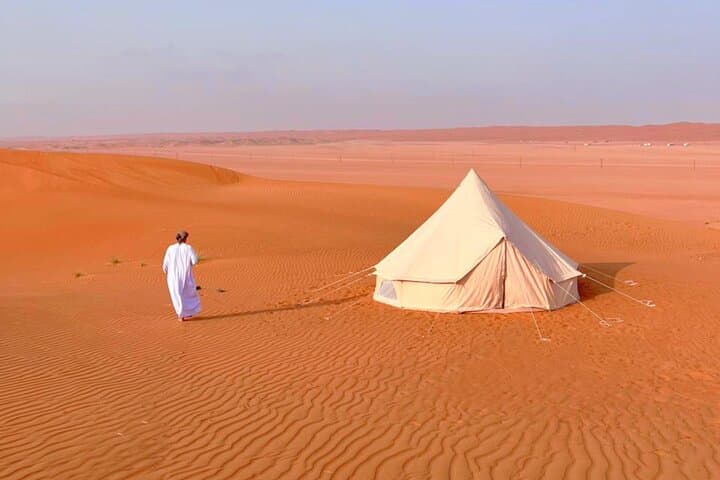
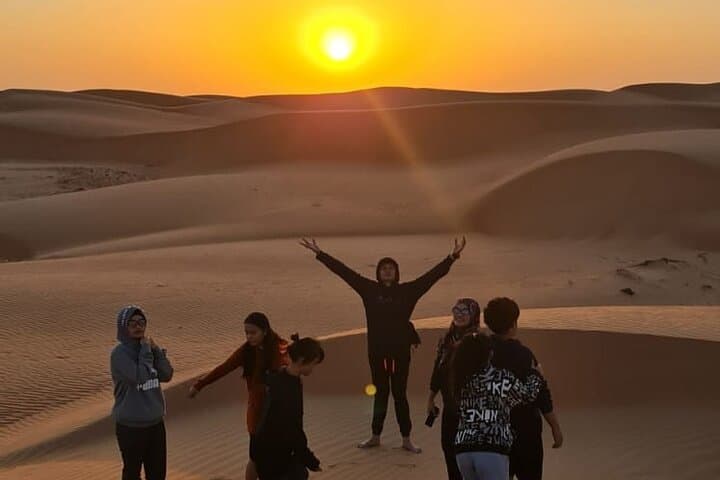
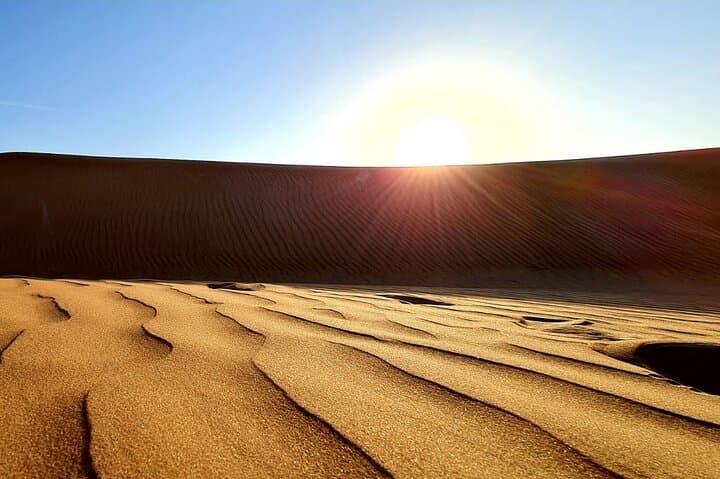
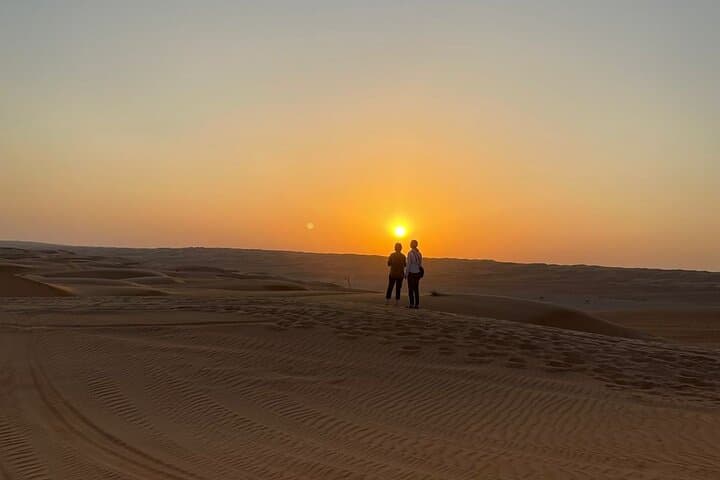
Early morning in Muscat, the city’s low white buildings and glittering harbor slip away as a 4x4 eats up the highway and the coastline opens into rock and sand. You arrive at Bimmah Sinkhole, where a bowl of turquoise water seems plucked from a different climate, then move to Fins Beach’s pale pebbles and the suspended palms of Wadi Shab; by dusk the Wahiba Sands throw a wide, slow sunset across shifting dunes.
Early morning in Muscat, the city’s low white buildings and glittering harbor slip away as a 4x4 eats up the highway and the coastline opens into rock and sand. You arrive at Bimmah Sinkhole, where a bowl of turquoise water seems plucked from a different climate, then move to Fins Beach’s pale pebbles and the suspended palms of Wadi Shab; by dusk the Wahiba Sands throw a wide, slow sunset across shifting dunes.
Oman’s landscape is a study in contrasts: the Hajar Mountains’ limestone and folded strata drive high, terraced plateaus like Jebel Akhdar, while the coast keeps a long maritime history—dhows built in Sur and Mutrah’s centuries-old souq. Forts and irrigation falaj systems recall a society shaped by water and trade; nearby Ras Al Hadd hosts turtle nesting grounds that conservationists now protect.
Expect a mix of easy urban touring, moderate hikes and swims in wadis, a desert 4x4 experience, and short cultural visits to museums, forts and a dhow yard. Terrain ranges from paved city roads to rocky canyon tracks and soft sand dunes; elevation climbs are modest except for highland photo stops at Jebel Akhdar (around 2,000 m on the Saiq Plateau).
Practical notes: carry sun protection and at least 2–3 liters of water per day, quick-dry swimwear and sturdy shoes for uneven wadi trails, and some cash for souq purchases. Travel early in the day for Wadi Shab and plan desert time around sunrise or sunset for cooler temperatures and better light. Guides handle logistics and accommodation transfers; come prepared to walk, swim and ride the dunes.