THE ADVENTURE COLLECTIVE® · Independent discovery and booking for outdoor travel

A four-day getaway to Colombia’s Pacific coast that pairs La Bayka ecolodge comforts with morning whale-watch launches, short rainforest walks and thermal hot springs. Best July–October for humpback activity—expect boat transfers, simple lodgings and local-guided excursions.
A four-day getaway to Colombia’s Pacific coast that pairs La Bayka ecolodge comforts with morning whale-watch launches, short rainforest walks and thermal hot springs. Best July–October for humpback activity—expect boat transfers, simple lodgings and local-guided excursions.
The motor tugs at the dawn as the lodge’s wooden jetty shrinks behind you and the Pacific opens like a living map. Salt spray threads through mangroves; low rainforest ridges push the horizon into a deep green lip. In the distance a black back arches, a spout punctures the air—the humpbacks here are unhurried, curious, and large enough to rearrange the morning.
Verified experiences and guided adventures in the surrounding area.
Operated by BnB Colombia Tours · Nuquí, Chocó
The motor tugs at the dawn as the lodge’s wooden jetty shrinks behind you and the Pacific opens like a living map. Salt spray threads through mangroves; low rainforest ridges push the horizon into a deep green lip. In the distance a black back arches, a spout punctures the air—the humpbacks here are unhurried, curious, and large enough to rearrange the morning.
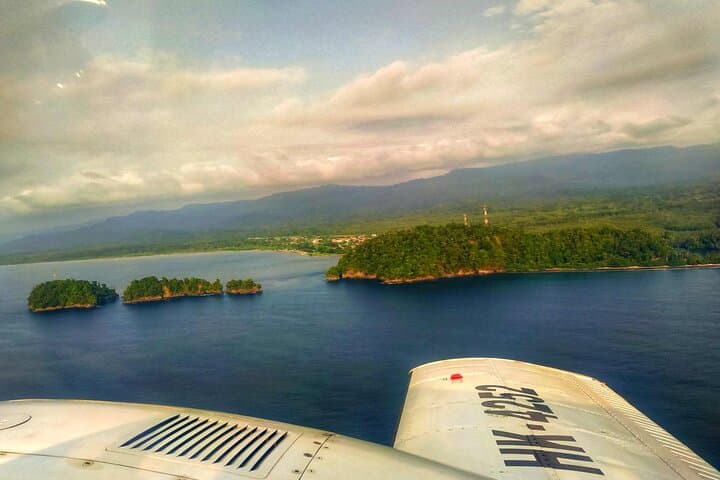
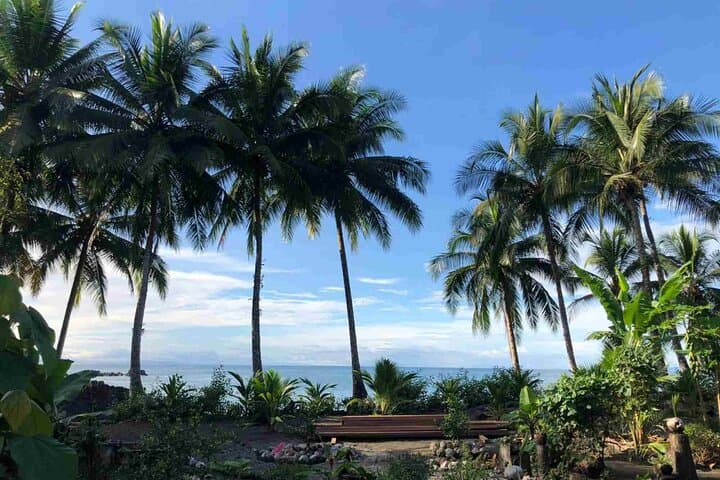
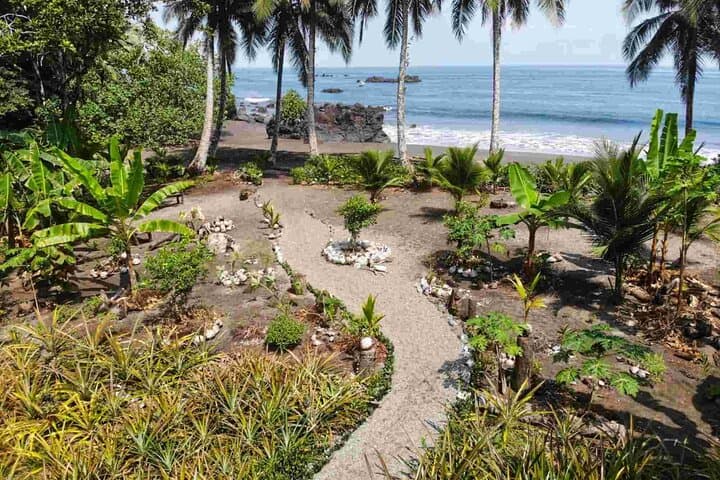
This stretch of Colombia’s Chocó coast is geologically narrow with a shallow continental shelf that creates warm, calm breeding lagoons each year. The region is shaped by rain and river sediments and has long been home to Afro-Colombian and Indigenous communities whose fishing traditions and artisanal knowledge guide respectful wildlife tourism today. Nuquí and La Bayka ecolodge operate within that cultural landscape: simple structures, local food, and guides who read currents and whale behavior.
Expect mornings on 2–3 hour whale-watch launches (July–mid-October is peak), short guided walks—30–60 minutes—to Cascada del Amor and thermal hot springs, and boat transfers that vary with sea state. Practicalities matter: pay the airport tourist tax (~30,000 COP), carry cash for hot-spring entry (≈15,000 COP), and bring seasickness remedies and a dry bag. Use reef-safe sunscreen, binoculars, and a light waterproof layer; boats and beaches can flip from calm to wind-driven in an hour.
Follow guides’ distance rules for whales, support local concessions, and time excursions for early light when animals are most active. The trip balances quiet coastal nights with the raw spectacle of breeding humpbacks—an intimate, low-impact way to witness one of the Pacific’s great migrations.
easy.
4 days.
Suitable for travelers in average fitness: short beach hikes, boat transfers, and the ability to board small boats.
Peak season runs roughly July through mid-October when breeding and calving activity are highest and sightings are most reliable.
Typical launches last 2–3 hours; exact duration depends on sea conditions and where whales are located that day.
Yes — a municipal tourist tax (~30,000 COP) at arrival and a small fee for the thermal hot springs (~15,000 COP) are commonly required in cash.
The tour notes infants must sit on laps and that activities are generally easy, but boat transfers and rough seas can be challenging for very young children—consult the operator when booking.
Chocó’s Pacific coast has long been inhabited by Afro-Colombian and Indigenous communities; fishing and small-scale agriculture shape local life and guidance traditions.
Operators emphasize low-impact viewing and community-based lodges; visitors should avoid single-use plastics, keep respectful distances from wildlife, and support local guides.
BnB Colombia Tours operates guided outdoor trips and adventures with an emphasis on safety, stewardship, and memorable experiences.
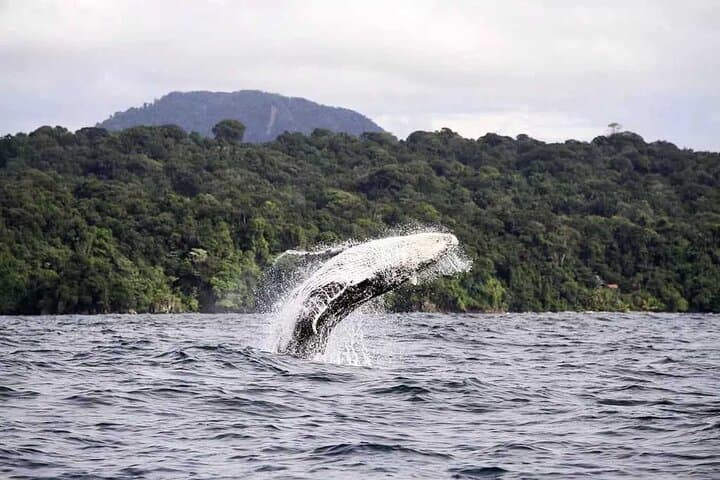
The motor tugs at the dawn as the lodge’s wooden jetty shrinks behind you and the Pacific opens like a living map. Salt spray threads through mangroves; low rainforest ridges push the horizon into a deep green lip. In the distance a black back arches, a spout punctures the air—the humpbacks here are unhurried, curious, and large enough to rearrange the morning.
The motor tugs at the dawn as the lodge’s wooden jetty shrinks behind you and the Pacific opens like a living map. Salt spray threads through mangroves; low rainforest ridges push the horizon into a deep green lip. In the distance a black back arches, a spout punctures the air—the humpbacks here are unhurried, curious, and large enough to rearrange the morning.
This stretch of Colombia’s Chocó coast is geologically narrow with a shallow continental shelf that creates warm, calm breeding lagoons each year. The region is shaped by rain and river sediments and has long been home to Afro-Colombian and Indigenous communities whose fishing traditions and artisanal knowledge guide respectful wildlife tourism today. Nuquí and La Bayka ecolodge operate within that cultural landscape: simple structures, local food, and guides who read currents and whale behavior.
Expect mornings on 2–3 hour whale-watch launches (July–mid-October is peak), short guided walks—30–60 minutes—to Cascada del Amor and thermal hot springs, and boat transfers that vary with sea state. Practicalities matter: pay the airport tourist tax (~30,000 COP), carry cash for hot-spring entry (≈15,000 COP), and bring seasickness remedies and a dry bag. Use reef-safe sunscreen, binoculars, and a light waterproof layer; boats and beaches can flip from calm to wind-driven in an hour.
Follow guides’ distance rules for whales, support local concessions, and time excursions for early light when animals are most active. The trip balances quiet coastal nights with the raw spectacle of breeding humpbacks—an intimate, low-impact way to witness one of the Pacific’s great migrations.