THE ADVENTURE COLLECTIVE® · Independent discovery and booking for outdoor travel

Cross limestone passes to a border waterfall and wake to Ba Be Lake’s glassy mirror. This four‑day loop mixes dramatic karst geology, ethnic village life, caves and boat time—compact, scenic, and culturally rich.
Cross limestone passes to a border waterfall and wake to Ba Be Lake’s glassy mirror. This four‑day loop mixes dramatic karst geology, ethnic village life, caves and boat time—compact, scenic, and culturally rich.
A ribbon of road cuts through karst riders and rice terraces as you leave Hanoi—by day two you arrive where cliffs meet water and history breathes through caves. At Ban Gioc, the falls widen and split, white curtains of water daring you closer while borderland cliffs hold quiet. Ba Be Lake answers with placid bays and stilt houses; the lake’s surface pushes back sunlight in bright patches as wooden boats thread between islands.
Verified experiences and guided adventures in the surrounding area.
Operated by Authentic SAPA · Cao Bang, Cao Bang
A ribbon of road cuts through karst riders and rice terraces as you leave Hanoi—by day two you arrive where cliffs meet water and history breathes through caves. At Ban Gioc, the falls widen and split, white curtains of water daring you closer while borderland cliffs hold quiet. Ba Be Lake answers with placid bays and stilt houses; the lake’s surface pushes back sunlight in bright patches as wooden boats thread between islands.
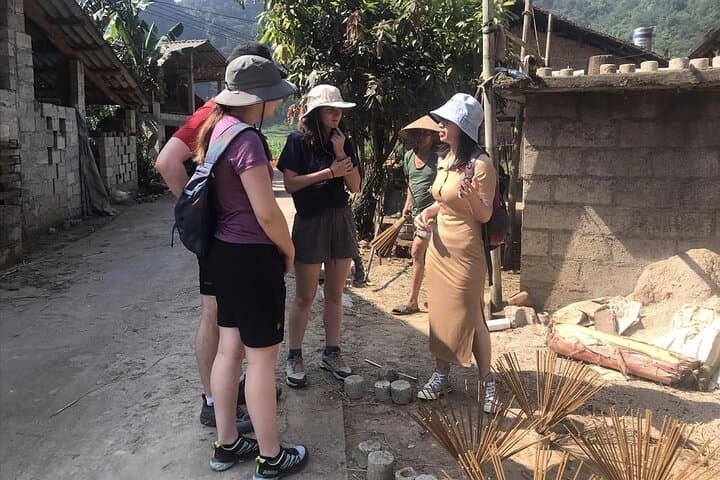
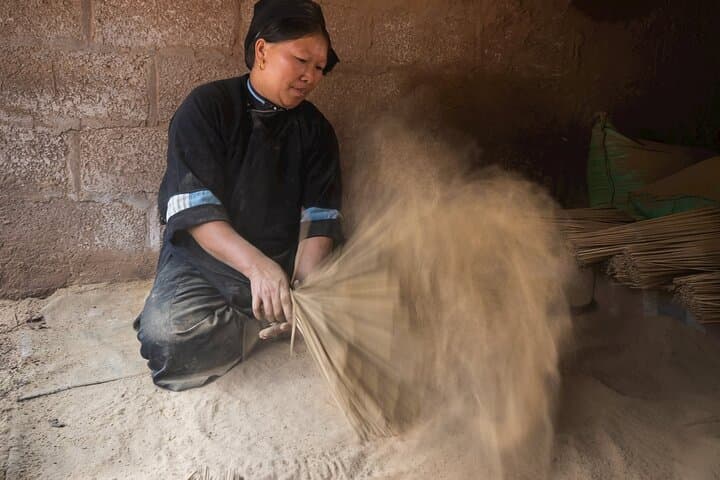
This route runs across Vietnam’s northeastern limestone province: karst uplift shaped by ancient seas, caves sculpted over millennia, and river channels that define the China–Vietnam border. Pac Bo recalls Ho Chi Minh’s return and revolutionary history; Tay and Nung villages keep traditional stilt-house life and local craft alive. Geologically, expect steep limestone ridges, dolines, and cave systems—Nguom Ngao cave offers dramatic stalactites while river valleys sweep wide below.
Practically, the trip balances easy cultural walks with short, uneven trails and optional boat sections. Expect homestays and simple meals—great for immersive cultural exchange but bring layers and rain protection. Hydrate on long drives, wear treaded shoes for muddy village paths, and plan camera batteries for dramatic light at dawn and dusk. Morning and late-afternoon visits to Ban Gioc avoid the glare; Ba Be’s calm is best early when birds and mist still linger.
Respect local customs—ask before photographing people—and follow park guidelines to protect karst plants and freshwater habitats. This four-day loop is a compact, sensory route through geology, culture, and quiet water—efficient, evocative, and eminently walkable for curious adventurers.
moderate.
4 days.
Suitable for travelers in light to moderate fitness—short hikes, boat rides and walking in villages; no technical demands.
Visa requirements depend on your nationality—arrange visas before travel if required; domestic transfers within Vietnam don’t require internal permits.
The itinerary offers an optional boat trip at Ba Be that may be self-pay; confirm inclusion with the operator when booking.
Yes—stilt‑house homestays are simple but comfortable, offering local meals and cultural exchange rather than luxury amenities.
Yes—water flow peaks after the rainy season (late summer) for dramatic falls; winter is drier but clearer for hiking and photos.
The Pac Bo area marks Ho Chi Minh’s revolutionary return and remains a site of 20th‑century Vietnamese history; the region has long been home to Tay, Nung and Hmong communities.
Karst and freshwater habitats are fragile—stick to marked paths, avoid single‑use plastics and support community‑based homestays to spread tourism benefits.
Authentic SAPA operates guided outdoor trips and adventures with an emphasis on safety, stewardship, and memorable experiences.
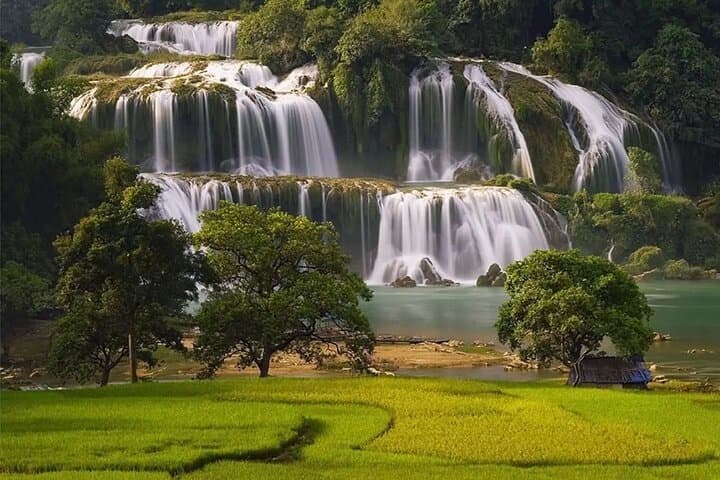

A ribbon of road cuts through karst riders and rice terraces as you leave Hanoi—by day two you arrive where cliffs meet water and history breathes through caves. At Ban Gioc, the falls widen and split, white curtains of water daring you closer while borderland cliffs hold quiet. Ba Be Lake answers with placid bays and stilt houses; the lake’s surface pushes back sunlight in bright patches as wooden boats thread between islands.
A ribbon of road cuts through karst riders and rice terraces as you leave Hanoi—by day two you arrive where cliffs meet water and history breathes through caves. At Ban Gioc, the falls widen and split, white curtains of water daring you closer while borderland cliffs hold quiet. Ba Be Lake answers with placid bays and stilt houses; the lake’s surface pushes back sunlight in bright patches as wooden boats thread between islands.
This route runs across Vietnam’s northeastern limestone province: karst uplift shaped by ancient seas, caves sculpted over millennia, and river channels that define the China–Vietnam border. Pac Bo recalls Ho Chi Minh’s return and revolutionary history; Tay and Nung villages keep traditional stilt-house life and local craft alive. Geologically, expect steep limestone ridges, dolines, and cave systems—Nguom Ngao cave offers dramatic stalactites while river valleys sweep wide below.
Practically, the trip balances easy cultural walks with short, uneven trails and optional boat sections. Expect homestays and simple meals—great for immersive cultural exchange but bring layers and rain protection. Hydrate on long drives, wear treaded shoes for muddy village paths, and plan camera batteries for dramatic light at dawn and dusk. Morning and late-afternoon visits to Ban Gioc avoid the glare; Ba Be’s calm is best early when birds and mist still linger.
Respect local customs—ask before photographing people—and follow park guidelines to protect karst plants and freshwater habitats. This four-day loop is a compact, sensory route through geology, culture, and quiet water—efficient, evocative, and eminently walkable for curious adventurers.