THE ADVENTURE COLLECTIVE® · Independent discovery and booking for outdoor travel

Four days across northern Ethiopia take you from Lake Tana’s island monasteries to the thunder of Blue Nile Falls and the high cliffs of the Simien Mountains. Expect cultural monuments, endemic wildlife and moderate hiking at altitude.
Four days across northern Ethiopia take you from Lake Tana’s island monasteries to the thunder of Blue Nile Falls and the high cliffs of the Simien Mountains. Expect cultural monuments, endemic wildlife and moderate hiking at altitude.
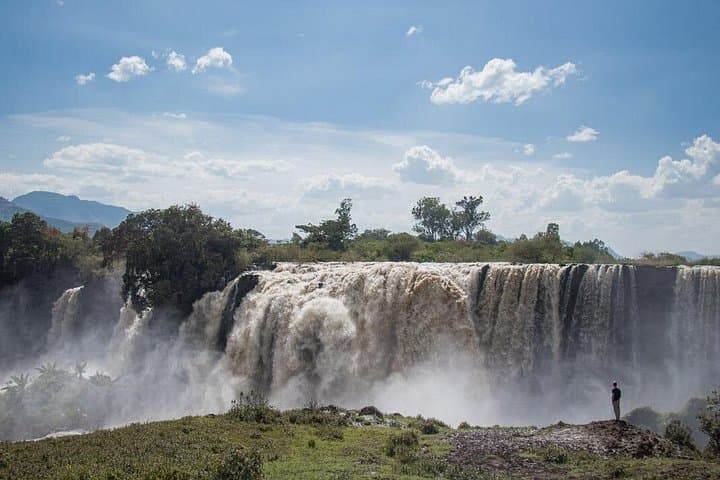
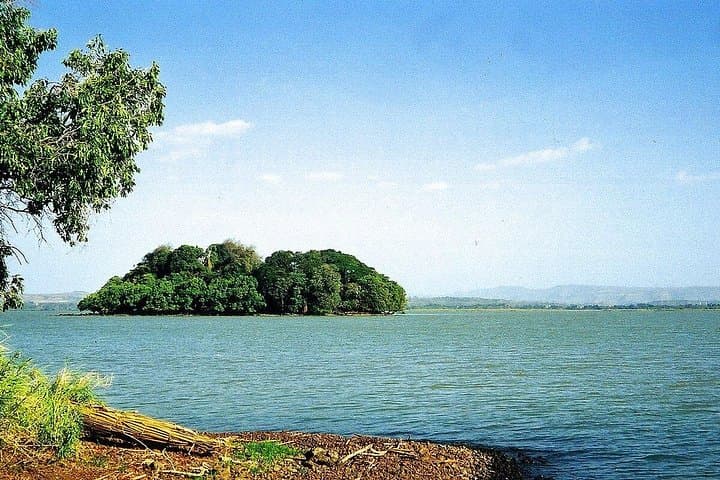
The Nile arrives here like a rumor: first as islands on Lake Tana, then as a thunderous ribbon at the Blue Nile Falls, daring you to step closer and feel the spray.
Verified experiences and guided adventures in the surrounding area.
Operated by Ethio Target Tours · Bahir Dar, Amhara
The Nile arrives here like a rumor: first as islands on Lake Tana, then as a thunderous ribbon at the Blue Nile Falls, daring you to step closer and feel the spray.
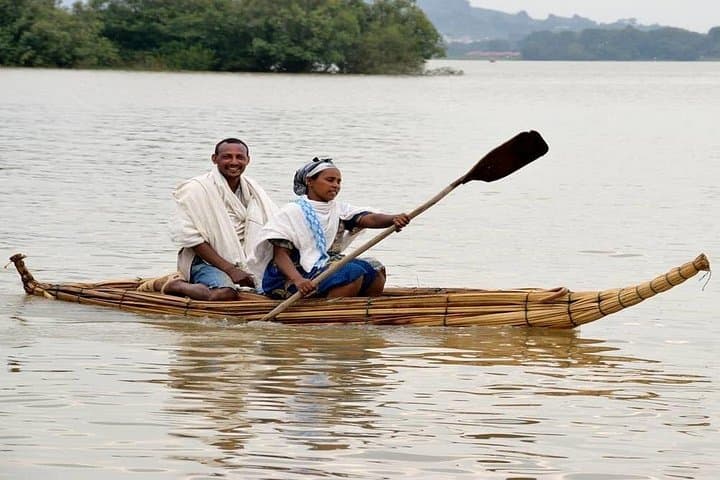
This four-day loop launches in Bahir Dar with a morning boat through Lake Tana’s monastery islands—Ura Kidane Mihiret and Azwa Mariam—where 16th–18th century icons watch over reed shores. By afternoon the tour pushes toward Tissisat, the “smoking water” that plunges 45 meters and throws rainbows across basalt cliffs.
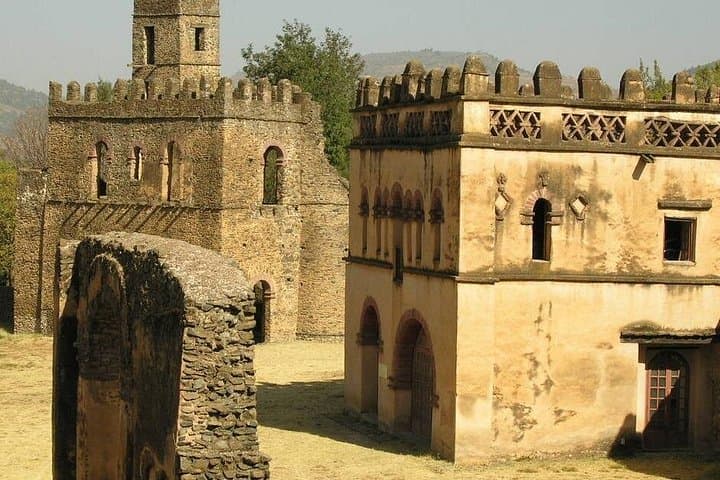
Day two moves inland to Gondar, the 17th-century imperial capital where Fasilidas’ castles and the frescoed ceilings of Debre Berham Selassie reveal a period when Ethiopian emperors forged a fortified, multi-faith court. The final full day crosses higher ground into the Simien Massif, a UNESCO park of escarpments, volcanic plateaus and endemic gelada troops grazing near sheer drops.
Geology here is dramatic: Ethiopian highlands are uplifted flood basalt and eroded escarpments that create long views and sudden drops. Culture is equally visible—monastic islands, market lanes and imperial stonework keep history immediate.
Practical edge: expect short to moderate walks (1–4 hours), uneven stone steps and a few steep scrambles in the Simiens. Altitude rises above 2,000 m—move slowly, hydrate, and wear good boots. The itinerary includes hotels, local guide, and vehicle transfers; meals vary by booking. Travel light between towns and keep Ethiopian birr handy for markets and tips. Timing your trip in the dry months yields clearer trails and better visibility for the falls and the massif.
moderate.
4 days.
Moderate fitness—able to walk 1–4 hours on uneven ground and manage short steep sections at altitude.
Most visitors require an Ethiopian visa obtained in advance or on arrival depending on nationality—check current embassy guidance before travel.
Debark sits around 2,800 m and many park viewpoints rise above 3,000 m; trails visit escarpments with panoramic drops rather than technical alpine climbs.
Accommodations and guide services are included in this itinerary, but meals are usually partially included or available locally—confirm meal details with the operator at booking.
The tour is generally suitable for a wide range of travelers, but those with serious mobility, heart or pregnancy concerns should consult a physician and the operator due to uneven terrain and altitude.
Gondar served as Ethiopia’s imperial capital in the 17th century and hosts compact castles built by successive emperors, while monastic life on Lake Tana preserves painted ecclesiastical traditions.
Simien National Park is a UNESCO site with active conservation for endemic species like the gelada and Ethiopian wolf; stay on trails and follow guides to limit erosion and disturbance.
Ethio Target Tours operates guided outdoor trips and adventures with an emphasis on safety, stewardship, and memorable experiences.
The Nile arrives here like a rumor: first as islands on Lake Tana, then as a thunderous ribbon at the Blue Nile Falls, daring you to step closer and feel the spray.
The Nile arrives here like a rumor: first as islands on Lake Tana, then as a thunderous ribbon at the Blue Nile Falls, daring you to step closer and feel the spray.
This four-day loop launches in Bahir Dar with a morning boat through Lake Tana’s monastery islands—Ura Kidane Mihiret and Azwa Mariam—where 16th–18th century icons watch over reed shores. By afternoon the tour pushes toward Tissisat, the “smoking water” that plunges 45 meters and throws rainbows across basalt cliffs.
Day two moves inland to Gondar, the 17th-century imperial capital where Fasilidas’ castles and the frescoed ceilings of Debre Berham Selassie reveal a period when Ethiopian emperors forged a fortified, multi-faith court. The final full day crosses higher ground into the Simien Massif, a UNESCO park of escarpments, volcanic plateaus and endemic gelada troops grazing near sheer drops.
Geology here is dramatic: Ethiopian highlands are uplifted flood basalt and eroded escarpments that create long views and sudden drops. Culture is equally visible—monastic islands, market lanes and imperial stonework keep history immediate.
Practical edge: expect short to moderate walks (1–4 hours), uneven stone steps and a few steep scrambles in the Simiens. Altitude rises above 2,000 m—move slowly, hydrate, and wear good boots. The itinerary includes hotels, local guide, and vehicle transfers; meals vary by booking. Travel light between towns and keep Ethiopian birr handy for markets and tips. Timing your trip in the dry months yields clearer trails and better visibility for the falls and the massif.