THE ADVENTURE COLLECTIVE® · Independent discovery and booking for outdoor travel

Four intense days from Salta through Quebrada de las Conchas to Cafayate, up the Cuesta de Lipán to Salinas Grandes, and across Humahuaca — a concentrated tour of northern Argentina’s geology, culture and highland wines. Long drives, dramatic vistas and high-altitude surprises await.
Four intense days from Salta through Quebrada de las Conchas to Cafayate, up the Cuesta de Lipán to Salinas Grandes, and across Humahuaca — a concentrated tour of northern Argentina’s geology, culture and highland wines. Long drives, dramatic vistas and high-altitude surprises await.
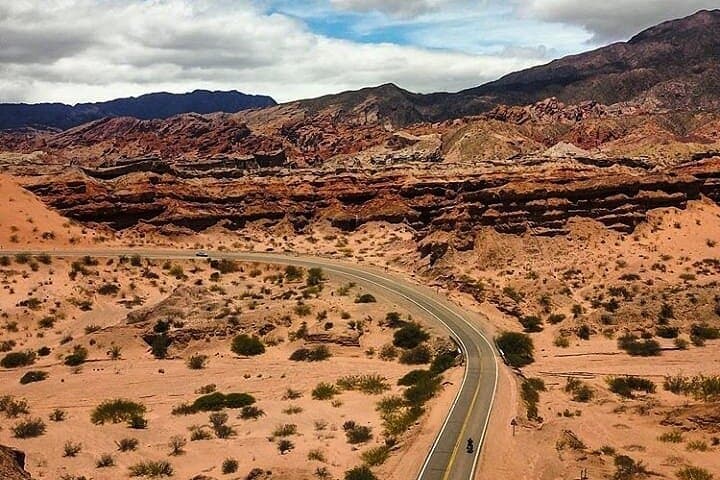
You step onto the coach in Salta before sunrise and the city exhales behind you — adobe roofs, church bells, and the faint aroma of empanadas. The road climbs, flanked by sculpted red cliffs of the Quebrada de las Conchas, and the windows frame a shifting landscape: ochre badlands, abrupt sandstone spires and vineyards that cling to dryer soil. Over four long days the tour pushes through Argentina’s high valleys and salt flats, a concentrated primer on the north’s geology, culture and climate.
Verified experiences and guided adventures in the surrounding area.
Operated by AGENCIA DE TURISMO TIAMAR EVT · Salta, Salta
You step onto the coach in Salta before sunrise and the city exhales behind you — adobe roofs, church bells, and the faint aroma of empanadas. The road climbs, flanked by sculpted red cliffs of the Quebrada de las Conchas, and the windows frame a shifting landscape: ochre badlands, abrupt sandstone spires and vineyards that cling to dryer soil. Over four long days the tour pushes through Argentina’s high valleys and salt flats, a concentrated primer on the north’s geology, culture and climate.
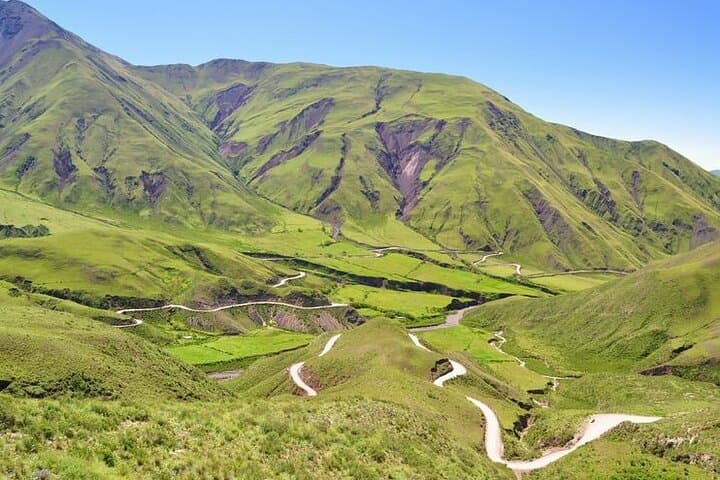
This route is geological theater. Provincial Route 68 carves a 90 km corridor through the Quebrada de las Conchas to Cafayate, where wind and water have chiselled amphitheaters and hoodoos. The Cuesta de Lipán ascent on Route 52 peaks at about 4,720 m above sea level — the air thins, and the puna opens toward the Salinas Grandes: a blinding white salar that once was a sea.
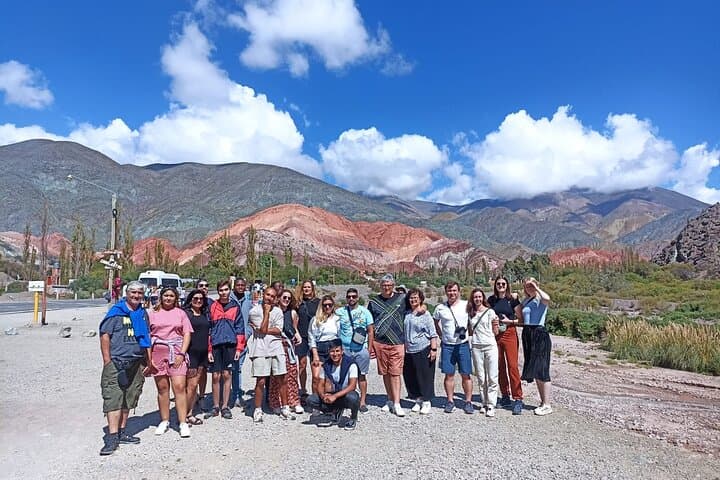
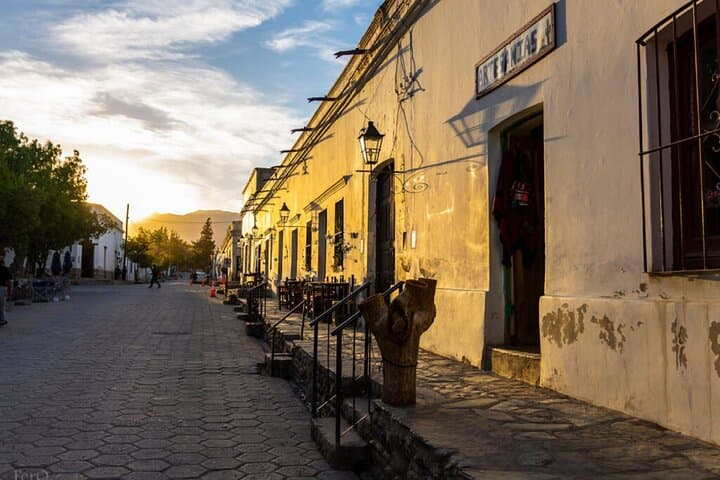
Culture threads everything: Cafayate’s wineries produce high-altitude Torrontés that taste like sunlight; Cachi’s colonial plaza sits beneath volcanic ridges; Humahuaca’s market still trades in Andean textiles and objects with pre-Columbian patterns. The tour includes short hikes in Los Cardones National Park — a forest of cacti that hold the desert in place — and visits to Purmamarca’s Cerro de los Siete Colores, whose strata read like a geologist’s field notebook.
Practicality steers the experience. Days are long (12–14 hours), with multiple stops for photos, short walks and a winery visit in Cafayate. The tour operates in an air-conditioned vehicle with a local guide and includes travel insurance; groups run up to 23. Salinas Grandes visits require a small contribution to the local Aboriginal community (not included) if you enter certain internal sites — carry cash.
Expect rapidly changing conditions: hot sun in lower valleys, cold wind and thin air at high passes. Hydration, layers and sun protection aren’t optional. If you have heart or severe back issues, the itinerary flags this as unsuitable; otherwise the provider grades it as physically easy but logistically demanding because of long drives and altitude swings.
Timing matters: start in Salta early (pickup within a 15-block radius of 9 de Julio between 7:00–7:45 a.m.) to maximize daylight and to avoid afternoon winds in the high puna. Bring comfortable walking shoes for short trails, a hat and sunglasses for the glare on the salt, and small bills for roadside vendors and community fees. For photographers, dawn in the quebradas and late-afternoon light on clay formations produce the richest color. This is a trip that asks you to sit, watch and adapt — landscapes that shift their mood as quickly as the bus does between one dramatic view and the next.
moderate.
4 days (daily 12–14 hours).
Good general fitness for long coach days and short walks; able to handle long days and brief hikes at altitude.
Expect 12–14 hour days: Cafayate and Cachi days run about 12 hours, Salinas Grandes and Humahuaca days about 14 hours, including stops.
Lunches are generally not included; you will have free time for lunch in towns like Cafayate, Cachi and Humahuaca — plan to pay locally.
Yes — some segments exceed 4,000 m. Hydrate, avoid heavy alcohol the night before, and speak to your doctor if you have altitude sensitivity.
A small contribution to an Aboriginal community is required to access some internal points (the tour notes ~ARS 2000 for optional sites); bring cash.
Pickup occurs between 7:00–7:45 a.m. within a 15-block radius of Salta’s Plaza 9 de Julio; if outside the area, meet at the provider office (Caseros 420) at 7:00 a.m.
The operator provides infant seats and says the tour is physically easy, but it’s not recommended for travelers with significant back or heart problems due to long drives and altitude.
This corridor was a pre-Columbian trade route; colonial towns like Cachi retain Spanish-era plazas while indigenous Quechua and Aymara heritage remains visible in markets and crafts.
Visitors should respect fragile puna ecosystems and avoid driving onto salt crusts outside designated paths; contributions to local communities support stewarding access.
AGENCIA DE TURISMO TIAMAR EVT operates guided outdoor trips and adventures with an emphasis on safety, stewardship, and memorable experiences.
You step onto the coach in Salta before sunrise and the city exhales behind you — adobe roofs, church bells, and the faint aroma of empanadas. The road climbs, flanked by sculpted red cliffs of the Quebrada de las Conchas, and the windows frame a shifting landscape: ochre badlands, abrupt sandstone spires and vineyards that cling to dryer soil. Over four long days the tour pushes through Argentina’s high valleys and salt flats, a concentrated primer on the north’s geology, culture and climate.
You step onto the coach in Salta before sunrise and the city exhales behind you — adobe roofs, church bells, and the faint aroma of empanadas. The road climbs, flanked by sculpted red cliffs of the Quebrada de las Conchas, and the windows frame a shifting landscape: ochre badlands, abrupt sandstone spires and vineyards that cling to dryer soil. Over four long days the tour pushes through Argentina’s high valleys and salt flats, a concentrated primer on the north’s geology, culture and climate.
This route is geological theater. Provincial Route 68 carves a 90 km corridor through the Quebrada de las Conchas to Cafayate, where wind and water have chiselled amphitheaters and hoodoos. The Cuesta de Lipán ascent on Route 52 peaks at about 4,720 m above sea level — the air thins, and the puna opens toward the Salinas Grandes: a blinding white salar that once was a sea.
Culture threads everything: Cafayate’s wineries produce high-altitude Torrontés that taste like sunlight; Cachi’s colonial plaza sits beneath volcanic ridges; Humahuaca’s market still trades in Andean textiles and objects with pre-Columbian patterns. The tour includes short hikes in Los Cardones National Park — a forest of cacti that hold the desert in place — and visits to Purmamarca’s Cerro de los Siete Colores, whose strata read like a geologist’s field notebook.
Practicality steers the experience. Days are long (12–14 hours), with multiple stops for photos, short walks and a winery visit in Cafayate. The tour operates in an air-conditioned vehicle with a local guide and includes travel insurance; groups run up to 23. Salinas Grandes visits require a small contribution to the local Aboriginal community (not included) if you enter certain internal sites — carry cash.
Expect rapidly changing conditions: hot sun in lower valleys, cold wind and thin air at high passes. Hydration, layers and sun protection aren’t optional. If you have heart or severe back issues, the itinerary flags this as unsuitable; otherwise the provider grades it as physically easy but logistically demanding because of long drives and altitude swings.
Timing matters: start in Salta early (pickup within a 15-block radius of 9 de Julio between 7:00–7:45 a.m.) to maximize daylight and to avoid afternoon winds in the high puna. Bring comfortable walking shoes for short trails, a hat and sunglasses for the glare on the salt, and small bills for roadside vendors and community fees. For photographers, dawn in the quebradas and late-afternoon light on clay formations produce the richest color. This is a trip that asks you to sit, watch and adapt — landscapes that shift their mood as quickly as the bus does between one dramatic view and the next.