THE ADVENTURE COLLECTIVE® · Independent discovery and booking for outdoor travel

A four-day private trek along Ilha Grande’s northern face meets rugged forest trails with family-run lodgings, waterfalls and clear swimming beaches. Guided daily hikes average 10 km with cultural stops and evenings in local pousadas.
A four-day private trek along Ilha Grande’s northern face meets rugged forest trails with family-run lodgings, waterfalls and clear swimming beaches. Guided daily hikes average 10 km with cultural stops and evenings in local pousadas.
You step off the boat into the humid, green hush of Ilha Grande and the trail immediately takes command — a narrow ribbon of packed earth climbing through Atlantic Forest, salt air trailing behind you from nearby coves.
Verified experiences and guided adventures in the surrounding area.
Operated by Ilha Grande Hiking · Vila do Abraão (Ilha Grande), Rio de Janeiro
You step off the boat into the humid, green hush of Ilha Grande and the trail immediately takes command — a narrow ribbon of packed earth climbing through Atlantic Forest, salt air trailing behind you from nearby coves.
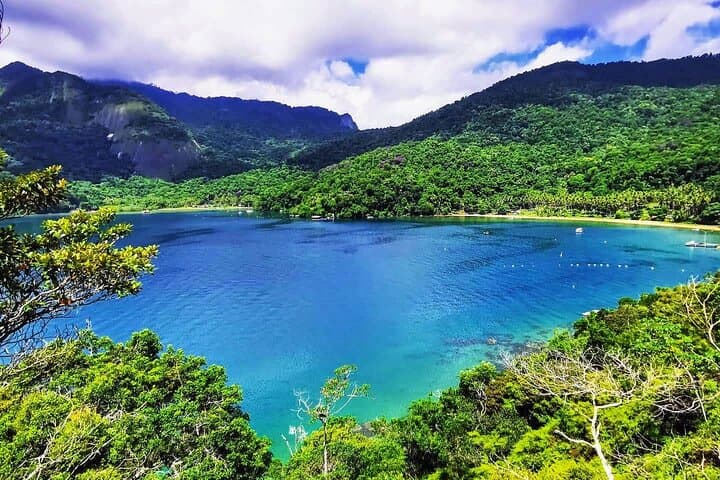
Over four days this private trek follows the island’s northern spine: forested ridgelines, collapsed aqueducts and the cooling drop of waterfalls. The island’s geology is volcanic and metamorphic rock, sculpted by coastal erosion that carves steep headlands and sheltered bays; you’ll pick out old masonry from the Lazareto quarantine hospital and traces of the island’s prison past as you pass.
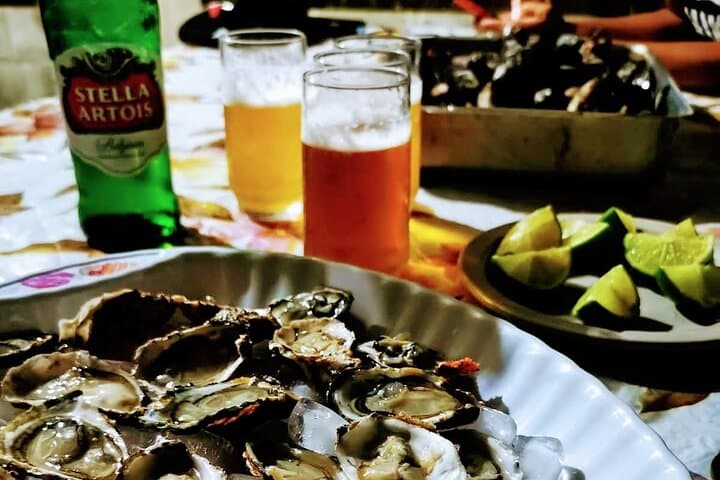
Local life here is small-scale and marine: fishermen tending mussel beds, residents serving simple, protein-forward meals in family-run pousadas. Cultural notes matter — hosts value quiet evenings, and community stays keep tourism distributed beyond Abraão.
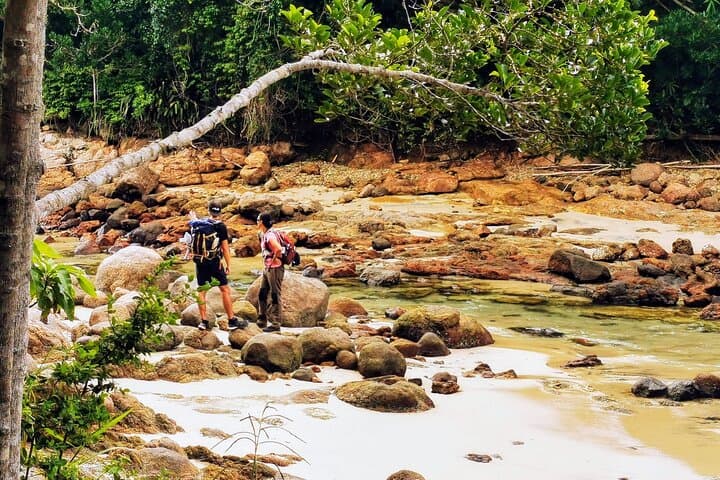
Expect daily hiking of roughly 10 km at a steady pace with frequent breaks, mixed singletrack and rocky beach approaches, intermittent steep sections and occasional muddy stretches after rain. Guides manage route-finding and logistics; you sleep in resident guesthouses rather than camp.
Practical guidance: carry a reliable daypack, waterproof layers and at least 2–3 liters of water per day; break times are long enough to refuel and swim when conditions allow. Start hikes early to avoid mid-day heat and to maximize clear water sightings. Respect marked paths, pack out waste, and book transfers from Angra dos Reis or Vila do Abraão in advance — ferries and local boats fill quickly during high season.
Participants should have a high level of fitness—expect sustained hiking about 10 km per day on mixed terrain with some steep sections.
No—accommodations are in local residents’ homes or small pousadas; no camping or cooking gear is required.
The private tour allows pacing adjustments, but weather can alter beach or waterfall visits; guides plan alternatives when needed.
Most visitors reach Ilha Grande by ferry or boat from Angra dos Reis or Mangaratiba; transfers to Vila do Abraão are regular but should be booked ahead.
Ilha Grande Hiking operates guided outdoor trips and adventures with an emphasis on safety, stewardship, and memorable experiences.
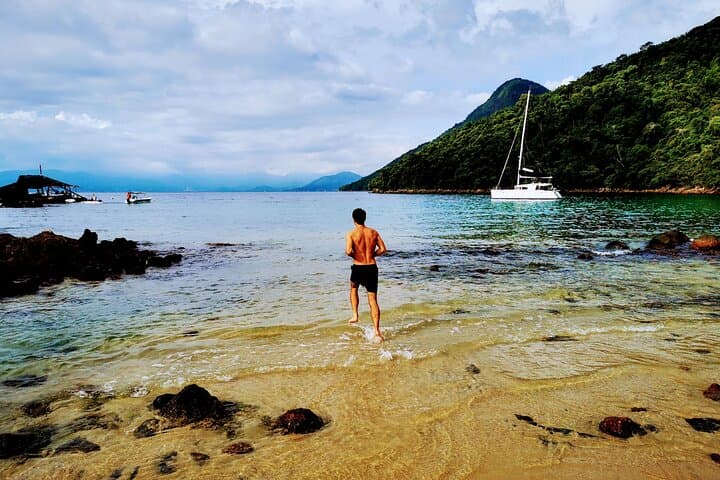
You step off the boat into the humid, green hush of Ilha Grande and the trail immediately takes command — a narrow ribbon of packed earth climbing through Atlantic Forest, salt air trailing behind you from nearby coves.
You step off the boat into the humid, green hush of Ilha Grande and the trail immediately takes command — a narrow ribbon of packed earth climbing through Atlantic Forest, salt air trailing behind you from nearby coves.
Over four days this private trek follows the island’s northern spine: forested ridgelines, collapsed aqueducts and the cooling drop of waterfalls. The island’s geology is volcanic and metamorphic rock, sculpted by coastal erosion that carves steep headlands and sheltered bays; you’ll pick out old masonry from the Lazareto quarantine hospital and traces of the island’s prison past as you pass.
Local life here is small-scale and marine: fishermen tending mussel beds, residents serving simple, protein-forward meals in family-run pousadas. Cultural notes matter — hosts value quiet evenings, and community stays keep tourism distributed beyond Abraão.
Expect daily hiking of roughly 10 km at a steady pace with frequent breaks, mixed singletrack and rocky beach approaches, intermittent steep sections and occasional muddy stretches after rain. Guides manage route-finding and logistics; you sleep in resident guesthouses rather than camp.
Practical guidance: carry a reliable daypack, waterproof layers and at least 2–3 liters of water per day; break times are long enough to refuel and swim when conditions allow. Start hikes early to avoid mid-day heat and to maximize clear water sightings. Respect marked paths, pack out waste, and book transfers from Angra dos Reis or Vila do Abraão in advance — ferries and local boats fill quickly during high season.