THE ADVENTURE COLLECTIVE® · Independent discovery and booking for outdoor travel

A four-day loop from Marrakech to Fez that crosses the High Atlas, explores UNESCO-listed kasbahs and ends with a camel trek and overnight in the towering Erg Chebbi dunes of Merzouga. Practical, culture-rich and suited to travelers who like long drives and desert nights.
A four-day loop from Marrakech to Fez that crosses the High Atlas, explores UNESCO-listed kasbahs and ends with a camel trek and overnight in the towering Erg Chebbi dunes of Merzouga. Practical, culture-rich and suited to travelers who like long drives and desert nights.
Before dawn the High Atlas draws a long, cool shadow across the highway; by midmorning the road climbs Tizi n’Tichka and opens on villages carved into ochre slopes. The first day is a moving panorama—Ait Ben Haddou’s mud-brick kasbahs and the “Thousand Kasbahs” lead into the sculpted Dades Valley where wind and water have turned rock into terraces and ‘monkey toes.’
Verified experiences and guided adventures in the surrounding area.
Operated by JD Morocco Tours, Sarl · Merzouga, Drâa-Tafilalet
Before dawn the High Atlas draws a long, cool shadow across the highway; by midmorning the road climbs Tizi n’Tichka and opens on villages carved into ochre slopes. The first day is a moving panorama—Ait Ben Haddou’s mud-brick kasbahs and the “Thousand Kasbahs” lead into the sculpted Dades Valley where wind and water have turned rock into terraces and ‘monkey toes.’
This route traces ancient caravan corridors: Ouarzazate grew as a film hub amid former caravanserai, while Rissani and Erfoud remain centers of date trade that supplied Saharan caravans. Geologically the trip moves from folded High Atlas limestone to the volcanic and fluvial cuts of the Ziz Gorges, finally dumping travelers onto the wind-sculpted Erg Chebbi dunes—sand sheets that shift daily under Saharan winds.
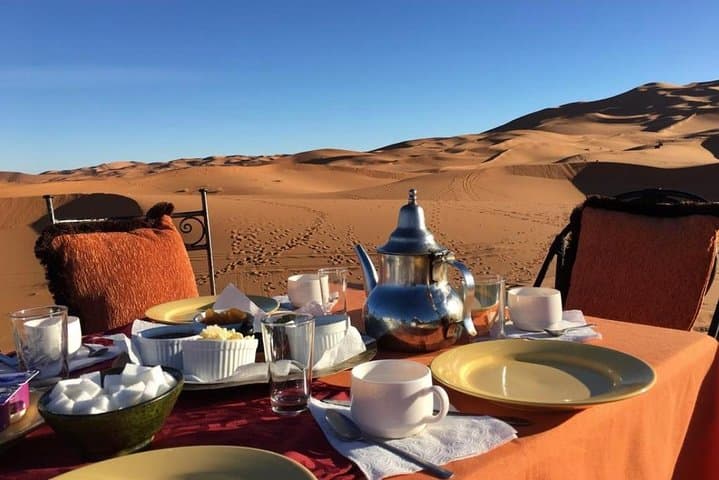
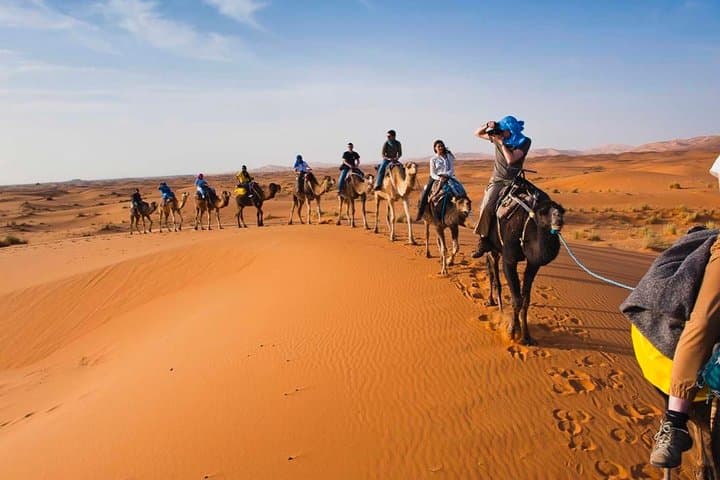
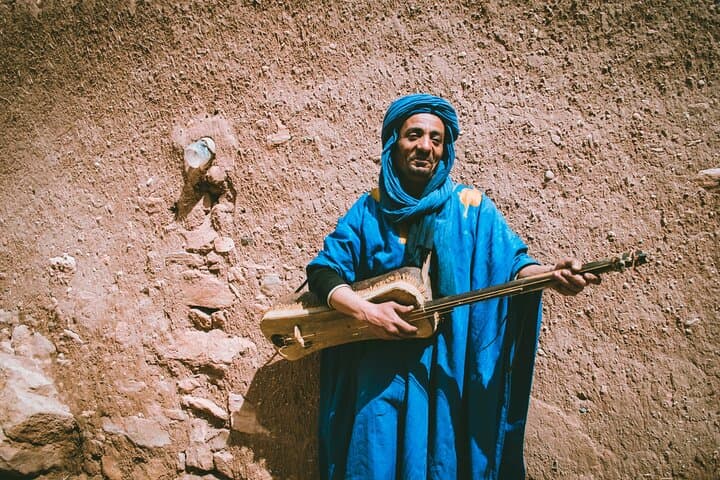
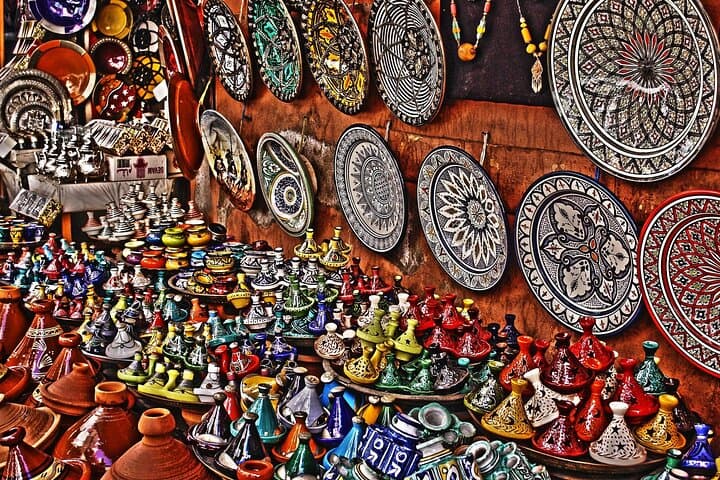
Culturally the itinerary blends Berber village life, Gnawa musical heritage in Merzouga and market rituals in Rissani. Expect shared meals in riads, a guided camel trek into Erg Chebbi, and one night under stars in a desert camp where temperatures swing from warm daytime to sharp night cold.
Practical guidance: schedule the camel trek for sunrise or sunset to avoid peak heat, bring layered clothing and a good sun hat, and carry 2–3 liters of water per person on desert days. Footwear should be supportive for rocky gorges and loose sand. Mobile signal is patchy across plateaus—download maps and carry cash for small souks. The tour’s driving is long but scenic; plan for motion breaks and let the desert’s slow rhythm set your pace.
moderate.
4 days.
Suitable for travelers in average fitness who can handle long drives, short hikes (up to 2 hours) and walking on sand.
The camel trek is gentle and oriented to all levels; mounts are comfortable and routes are short to moderate—expect some walking on soft sand when dismounting at camps.
The sample itinerary reflects 3-star riads and a standard desert camp; upgrades are typically available on request and at extra cost.
Yes—this private tour is rated easy in terms of activity, but it involves long drives; infants must sit on laps and consider the desert’s temperature swings.
Visa requirements depend on your nationality; check Morocco’s entry rules before travel. Routine vaccinations recommended by health authorities are sufficient for most travelers.
The route follows historic trans-Saharan and caravan pathways; Ait Ben Haddou is a fortified ksar that controlled trade between Sahara and Marrakech for centuries.
Tour operators are encouraged to minimize fuel use on translations, avoid off-track driving on dunes, and support local camps that use low-impact waste and water practices.
JD Morocco Tours, Sarl operates guided outdoor trips and adventures with an emphasis on safety, stewardship, and memorable experiences.
Before dawn the High Atlas draws a long, cool shadow across the highway; by midmorning the road climbs Tizi n’Tichka and opens on villages carved into ochre slopes. The first day is a moving panorama—Ait Ben Haddou’s mud-brick kasbahs and the “Thousand Kasbahs” lead into the sculpted Dades Valley where wind and water have turned rock into terraces and ‘monkey toes.’
Before dawn the High Atlas draws a long, cool shadow across the highway; by midmorning the road climbs Tizi n’Tichka and opens on villages carved into ochre slopes. The first day is a moving panorama—Ait Ben Haddou’s mud-brick kasbahs and the “Thousand Kasbahs” lead into the sculpted Dades Valley where wind and water have turned rock into terraces and ‘monkey toes.’
This route traces ancient caravan corridors: Ouarzazate grew as a film hub amid former caravanserai, while Rissani and Erfoud remain centers of date trade that supplied Saharan caravans. Geologically the trip moves from folded High Atlas limestone to the volcanic and fluvial cuts of the Ziz Gorges, finally dumping travelers onto the wind-sculpted Erg Chebbi dunes—sand sheets that shift daily under Saharan winds.
Culturally the itinerary blends Berber village life, Gnawa musical heritage in Merzouga and market rituals in Rissani. Expect shared meals in riads, a guided camel trek into Erg Chebbi, and one night under stars in a desert camp where temperatures swing from warm daytime to sharp night cold.
Practical guidance: schedule the camel trek for sunrise or sunset to avoid peak heat, bring layered clothing and a good sun hat, and carry 2–3 liters of water per person on desert days. Footwear should be supportive for rocky gorges and loose sand. Mobile signal is patchy across plateaus—download maps and carry cash for small souks. The tour’s driving is long but scenic; plan for motion breaks and let the desert’s slow rhythm set your pace.