THE ADVENTURE COLLECTIVE® · Independent discovery and booking for outdoor travel

Float the Nile from Hurghada to Aswan on a four‑day cruise that pairs gentle river time with concentrated visits to Luxor’s temples, the Valley of the Kings, Edfu and Kom Ombo. Practical pacing, three nights aboard a 5‑star cruise and guided stops make ancient Egypt accessible in one short trip.
Float the Nile from Hurghada to Aswan on a four‑day cruise that pairs gentle river time with concentrated visits to Luxor’s temples, the Valley of the Kings, Edfu and Kom Ombo. Practical pacing, three nights aboard a 5‑star cruise and guided stops make ancient Egypt accessible in one short trip.
You step aboard as the Nile takes the helm — a slow, steady current that has ferried people and stories for millennia. The boat rocks with the rhythm of the river while mud-brick villages and palm fringes slide past; at dawn the river seems to dare you to keep up with its quiet pace.
Verified experiences and guided adventures in the surrounding area.
Operated by King TUT Tours · Hurghada, Red Sea Governorate
You step aboard as the Nile takes the helm — a slow, steady current that has ferried people and stories for millennia. The boat rocks with the rhythm of the river while mud-brick villages and palm fringes slide past; at dawn the river seems to dare you to keep up with its quiet pace.
This four‑day cruise links Hurghada’s Red Sea coast with Luxor and Aswan’s ancient heart, tracing Egypt’s living and buried history. Expect visits to Karnak and Luxor Temples on the East Bank, the tomb‑strewn cliffs of the Valley of the Kings and Hatshepsut’s mortuary temple on the West. Ptolemaic sites at Edfu and Kom Ombo show Greek‑era temple planning, while Philae and the High Dam in Aswan reveal later imperial control and modern hydrological engineering.
Geology here is straightforward: a narrow fertile ribbon of silt and alluvial plains hemmed by desert escarpments. Culture is similarly layered — Pharaonic, Greek, Roman, Coptic and Islamic influences appear in stone, ritual and daily life.
Practically: bring breathable sun protection, comfortable shoes for uneven temple steps, and small bills for entry fees and tips. Mornings and late afternoons are best for photography and walking; midday is hot and best spent shaded aboard. The cruise includes three nights’ accommodation, most meals and private transfers, and is accessible to travelers with average mobility, though some temple approaches involve stairs.
This itinerary offers manageable pacing: river time for reflection and short, intense site visits that let you experience the Nile’s history without feeling rushed.
moderate.
4 days.
Suitable for travelers in average fitness; requires comfortable walking on uneven ground and climbing stairs at archaeological sites.
Most nationalities require a valid passport and may need an Egyptian visa—check current entry requirements before travel and carry passport details for booking.
The cruise usually covers onboard accommodation and some guided visits; individual temple entry fees and optional tomb tickets are often extra—confirm at booking.
The operator lists wheelchair‑accessible options, but some temple sites contain stairs and uneven terrain; contact the provider to discuss mobility needs before booking.
Transfers are typically included or arranged from Hurghada hotels to the meeting point; verify pickup details and timing with the operator.
The Nile corridor has supported continuous human occupation for millennia; many temples reflect successive rules from Pharaonic to Ptolemaic and Roman eras.
Rising tourism and development press on fragile archaeological sites and river ecology—respect signage, avoid touching reliefs, and minimize single‑use plastics.
King TUT Tours operates guided outdoor trips and adventures with an emphasis on safety, stewardship, and memorable experiences.
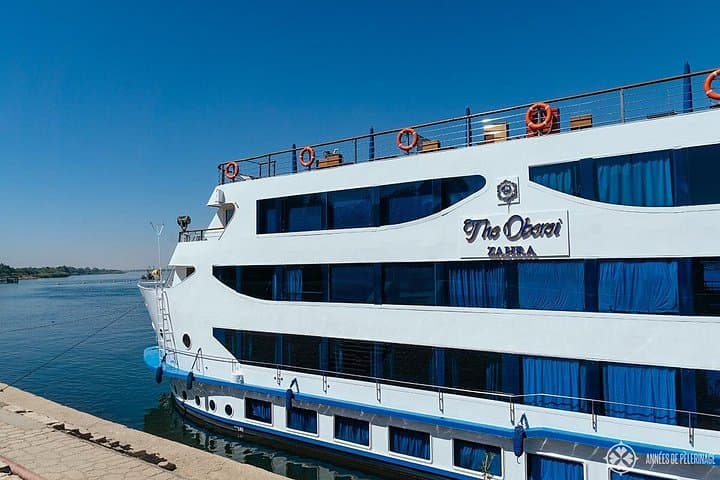
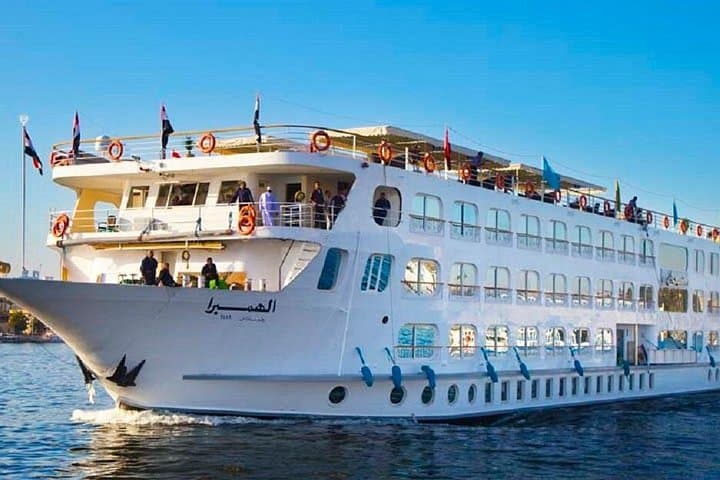
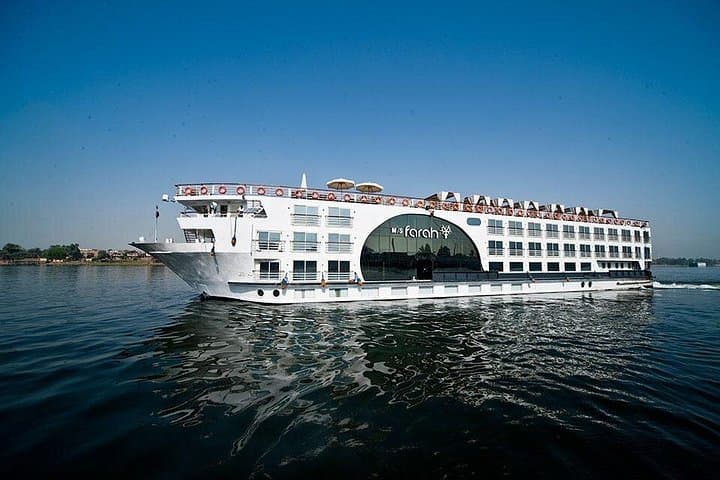

You step aboard as the Nile takes the helm — a slow, steady current that has ferried people and stories for millennia. The boat rocks with the rhythm of the river while mud-brick villages and palm fringes slide past; at dawn the river seems to dare you to keep up with its quiet pace.
You step aboard as the Nile takes the helm — a slow, steady current that has ferried people and stories for millennia. The boat rocks with the rhythm of the river while mud-brick villages and palm fringes slide past; at dawn the river seems to dare you to keep up with its quiet pace.
This four‑day cruise links Hurghada’s Red Sea coast with Luxor and Aswan’s ancient heart, tracing Egypt’s living and buried history. Expect visits to Karnak and Luxor Temples on the East Bank, the tomb‑strewn cliffs of the Valley of the Kings and Hatshepsut’s mortuary temple on the West. Ptolemaic sites at Edfu and Kom Ombo show Greek‑era temple planning, while Philae and the High Dam in Aswan reveal later imperial control and modern hydrological engineering.
Geology here is straightforward: a narrow fertile ribbon of silt and alluvial plains hemmed by desert escarpments. Culture is similarly layered — Pharaonic, Greek, Roman, Coptic and Islamic influences appear in stone, ritual and daily life.
Practically: bring breathable sun protection, comfortable shoes for uneven temple steps, and small bills for entry fees and tips. Mornings and late afternoons are best for photography and walking; midday is hot and best spent shaded aboard. The cruise includes three nights’ accommodation, most meals and private transfers, and is accessible to travelers with average mobility, though some temple approaches involve stairs.
This itinerary offers manageable pacing: river time for reflection and short, intense site visits that let you experience the Nile’s history without feeling rushed.